

The U.S. state of Colorado has introduced the “Colorado Digital Token Act” which provides some “exemptions from the state securities laws for cryptocurrencies,” according to the text of the bill. Meanwhile, the state’s securities commissioner has already taken action against 20 initial coin offerings.
Also read: Indian Supreme Court Moves Crypto Hearing, Community Calls for Positive Regulations
Colorado Digital Token Act
Lawmakers in Colorado introduced the “Colorado Digital Token Act” on Friday which, among other proposals, exempts cryptocurrencies from certain securities laws. According to the filing:
The bill provides limited exemptions from the securities registration and securities broker-dealer and salesperson licensing requirements for persons dealing in digital tokens.
 Colorado businesses “face regulatory uncertainty” under the state’s securities laws, the bill explains. In addition to defining digital tokens, the bill notes that “The costs and complexities of state securities registration can outweigh the benefits” for businesses with “a primarily consumptive purpose” operating in the cryptocurrency space in Colorado. According to the bill, consumptive purpose “means to provide or receive goods, services, or content, including access to goods, services, or content.”
 The bill further asserts that this new act will enable businesses in the state “that use cryptoeconomic systems to obtain growth capital to help [them] grow and expand.”
The Colorado Sun publication elaborated, “If a token doesn’t qualify under the Colorado safe harbor” law, it will need to be “analyzed under typical securities law, or what is known as the Howey Test.”
Colorado’s Crypto Regulatory Attempts
 In April last year, lawmakers in Colorado introduced a bill entitled the “Virtual Currency Exemption Money Transmitters Act.” It was initially passed by a single vote but, according to the news outlet, it later failed after some lawmakers changed their minds.
In June, Gov. John Hickenlooper created the Council for the Advance of Blockchain Technology. The group is tasked with providing recommendations for “a comprehensive legal framework to support blockchain technology that considers potential applications and boundaries of the technology and protections for consumers,” the state announced at the time. Shapeshift CEO Erik Voorhees was among the blockchain industry leaders appointed for the council.
 Meanwhile, the Colorado Division of Securities has been taking action against initial coin offerings (ICOs) allegedly operating illegally in the state. The division announced on Nov. 20 last year that Securities Commissioner Gerald Rome had filed 20 cases against allegedly fraudulent ICOs. These orders resulted from investigations by the ICO Task Force, which is part of the state’s Department of Regulatory Agencies (DORA).
What do you think of Colorado’s digital token bill? Let us know in the comments section below.
Images courtesy of Shutterstock and the state of Colorado.
Need to calculate your bitcoin holdings? Check our tools section.
The post Colorado Introduces Bill With Securities Law Exemptions for Cryptocurrencies appeared first on Bitcoin News.
from Bitcoin News http://bit.ly/2TsixFa Colorado Introduces Bill With Securities Law Exemptions for Cryptocurrencies



 Faced with pressing economic challenges, hyperinflation and foreign sanctions, the Venezuelan government has put great hopes on the success of its cryptocurrency. Authorities in Caracas
 McKinsey & Company, the American management consulting firm, has released a report on the state of blockchain technology in business. It found that of the over 100 supposed use cases presented, the vast majority of pilots and proofs of concepts are still stuck in “pioneering mode” or are being shut down while many projects have failed to raise Series C funding rounds.
 The management consulting firm has found a number of reasons for the lack of progress. One is that in some cases, such as in the fiat payments industry, incumbents have disincentives for investing in real disruption that may lead to the cannibalization of their established revenue streams. Another problem is that few companies really wanted to create a public or shared utility that would benefit the entire industry including their competitors. Additionally, some companies announced they were pursuing blockchain pilots only for “reputational value” as the report calls it. This means that their purpose was simply to get some positive press rather than solve any valid problem for which blockchain is a practical solution.
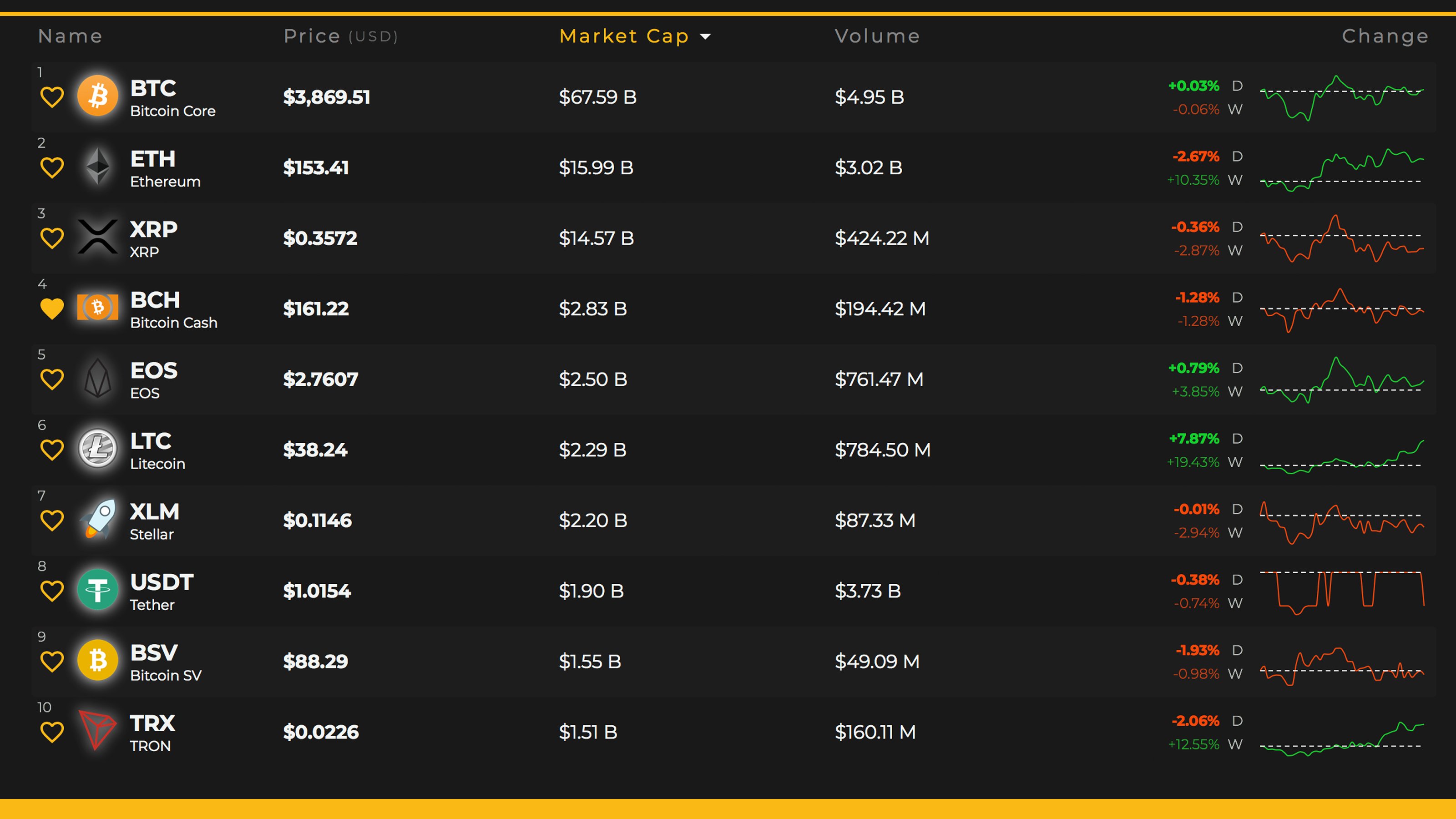
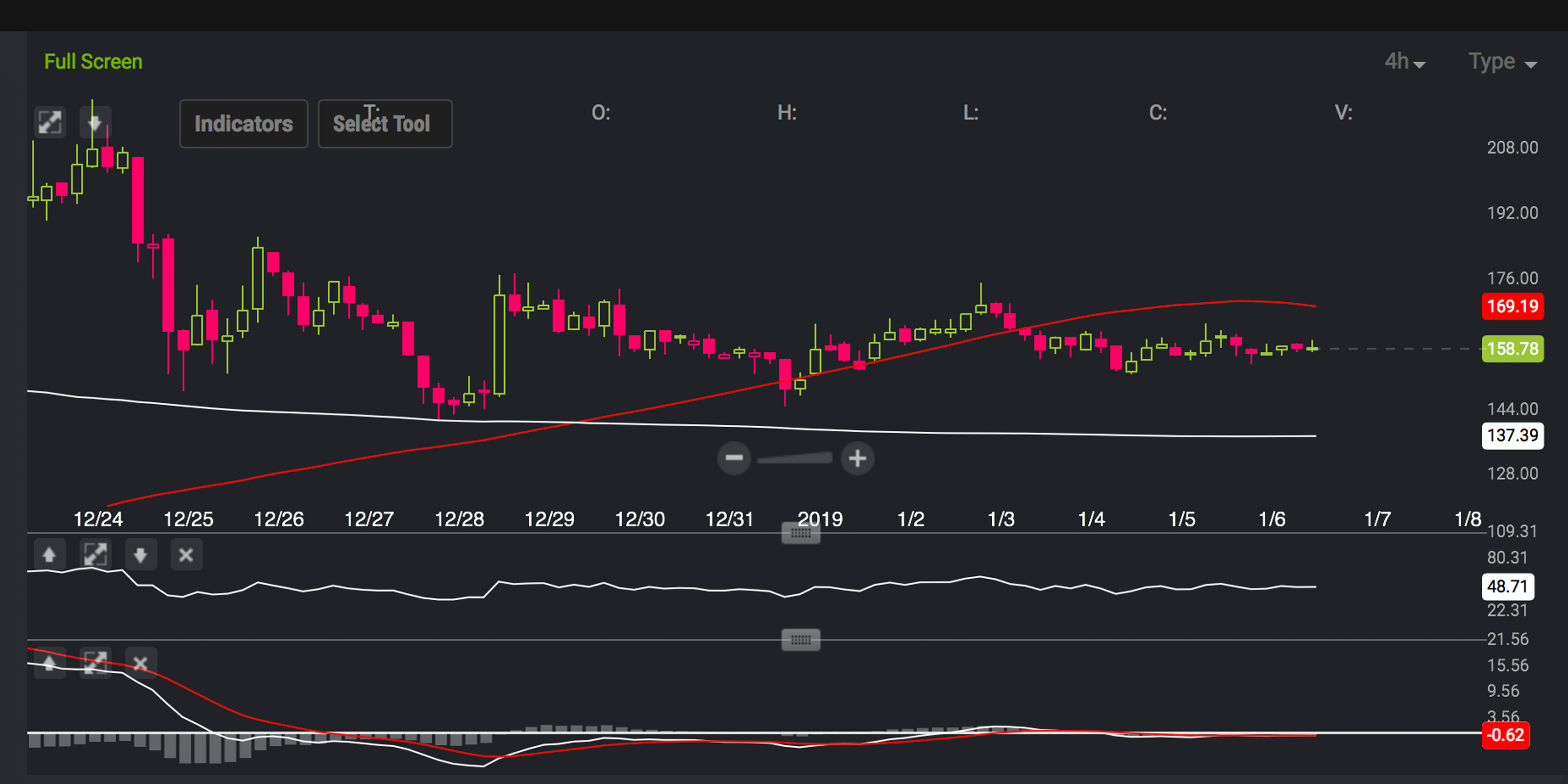
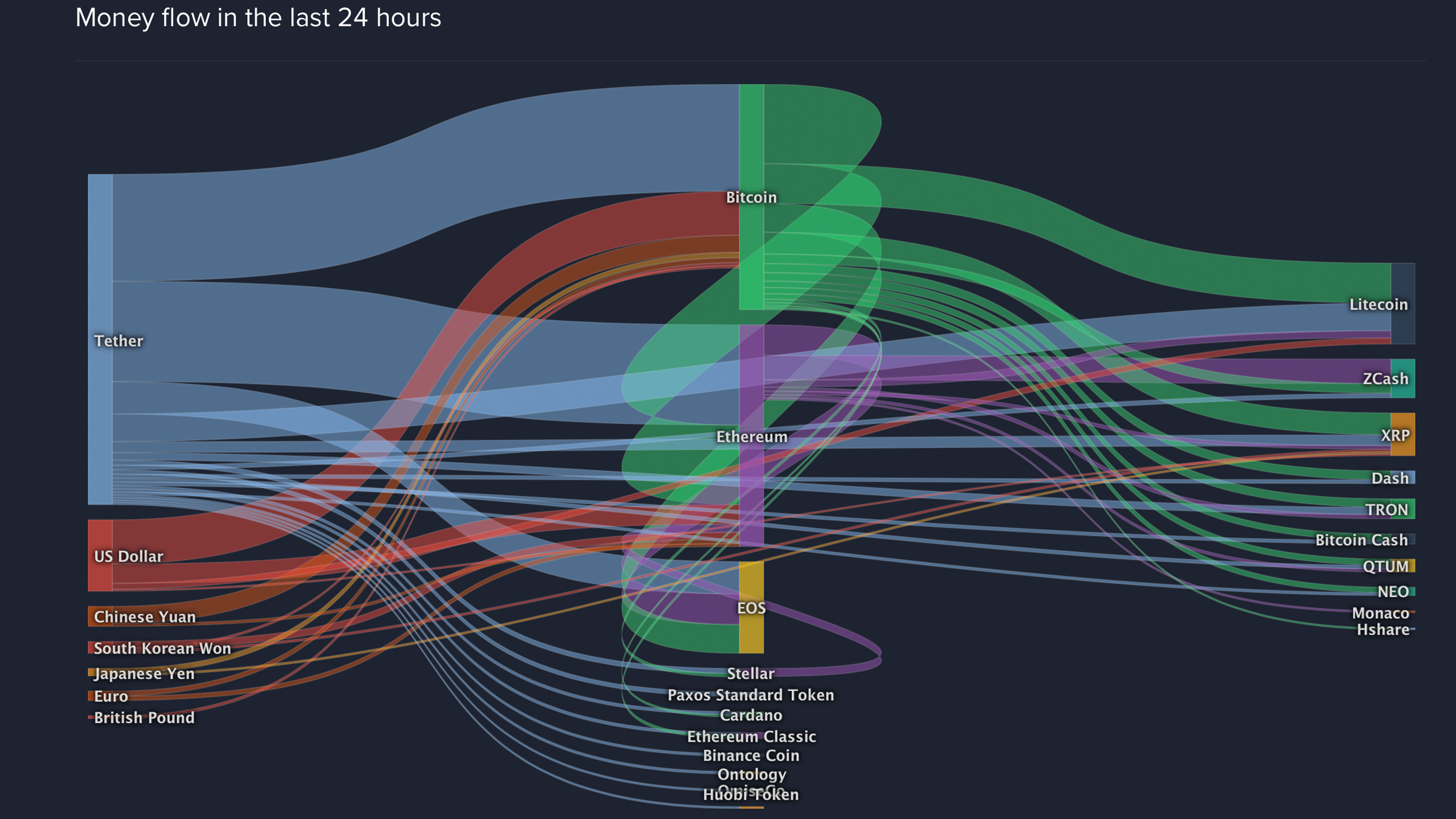
 Bitcoin cash (BCH) markets had it much better last week and prices have consolidated into a pretty tight range. At the moment one BCH is trading for $160 per coin and markets are down 1.4% over the last 24 hours and down 1.2% for the week. The top cryptocurrency exchanges swapping the most bitcoin cash today includes Lbank, Hitbtc, Binance, Huobi, and Coinbase. Currency pair statistics show tether (USDT) captures 48.3% of the global trades with BCH. This is followed by BTC (18.5%), ETH (16.9%), USD (8.9%), EUR (3%), JPY (2%), and KRW (1.3%). The EUR has spiked a great deal which is traditionally a sign of bullish movements ahead. BCH holds the eighth largest trade volume today below zcash (ZEC) and just above tron (TRX) markets.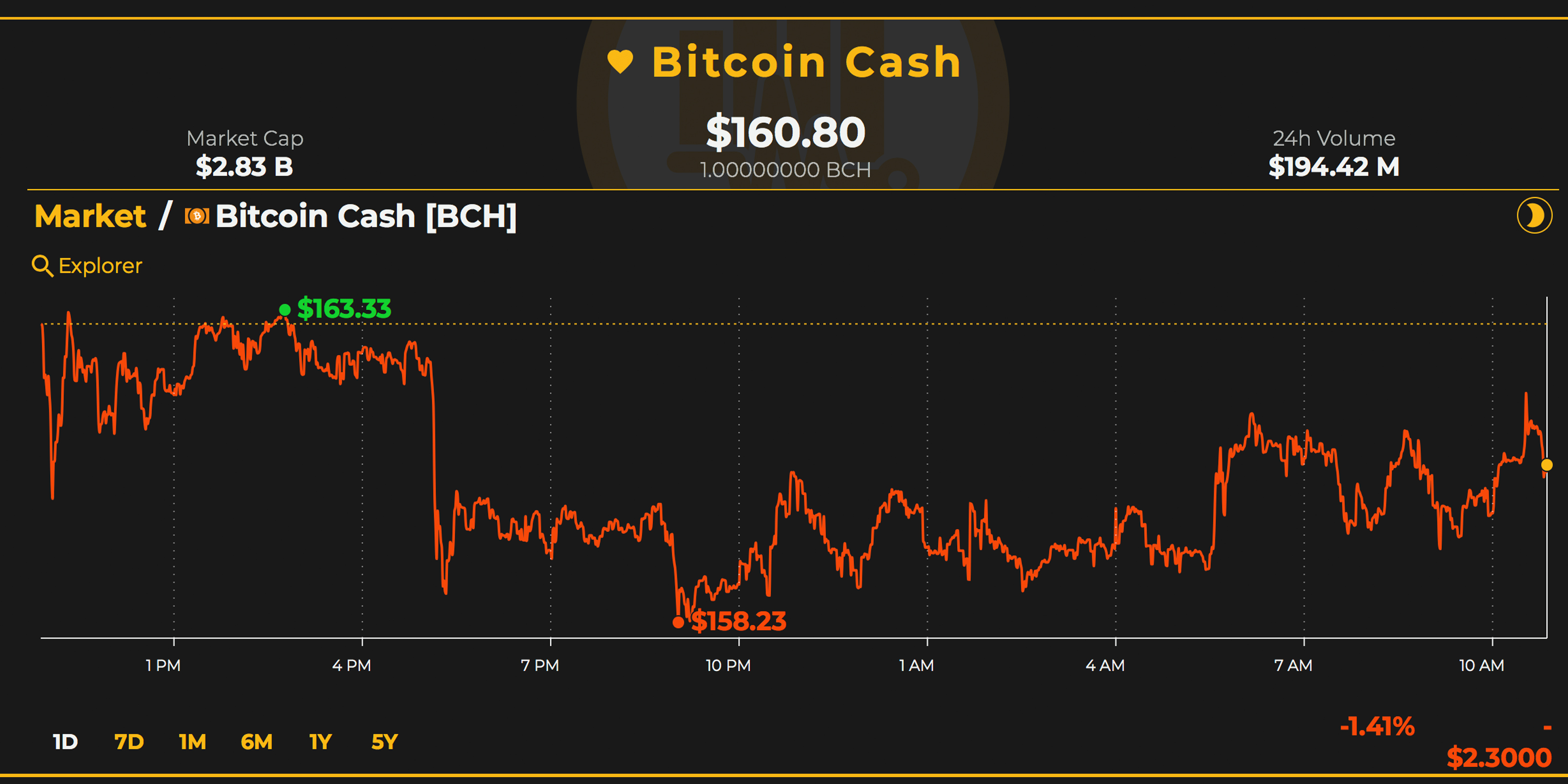


 New
New  Compared with the previous year, 2018 saw the correlation between many leading cryptocurrencies more than double.

 Consensys, the crypto software studio that was


 Ueli Maurer is among those politicians who saw the threat to Switzerland’s leadership in the crypto space. In May, he invited representatives of the Swiss financial regulator Finma, the Swiss National Bank, and the Swiss Bankers Association (SBA) to a roundtable discussion on the matter.