About Startup365

Chaque jour nous vous présenterons une nouvelle Startup française ! Notre pays regorge de talents et d'entrepreneurs brillants ! Alors partons à la découverte des meilleures startup françaises ! Certaines d'entre elles sont dans une étape essentielle dans la vie d'une startup : la recherche de financement, notamment par le financement participatif (ou crowdfunding en anglais). Alors participez à cette grande aventure en leur faisant une petite donation ! Les startups françaises ont besoin de vous !

#Blockchain Bitcoin Cash Transaction Fees Were Less Than a Cent Throughout Most of 2018

Bitcoin Cash Transaction Fees Were Less Than a Cent Throughout Most of 2018

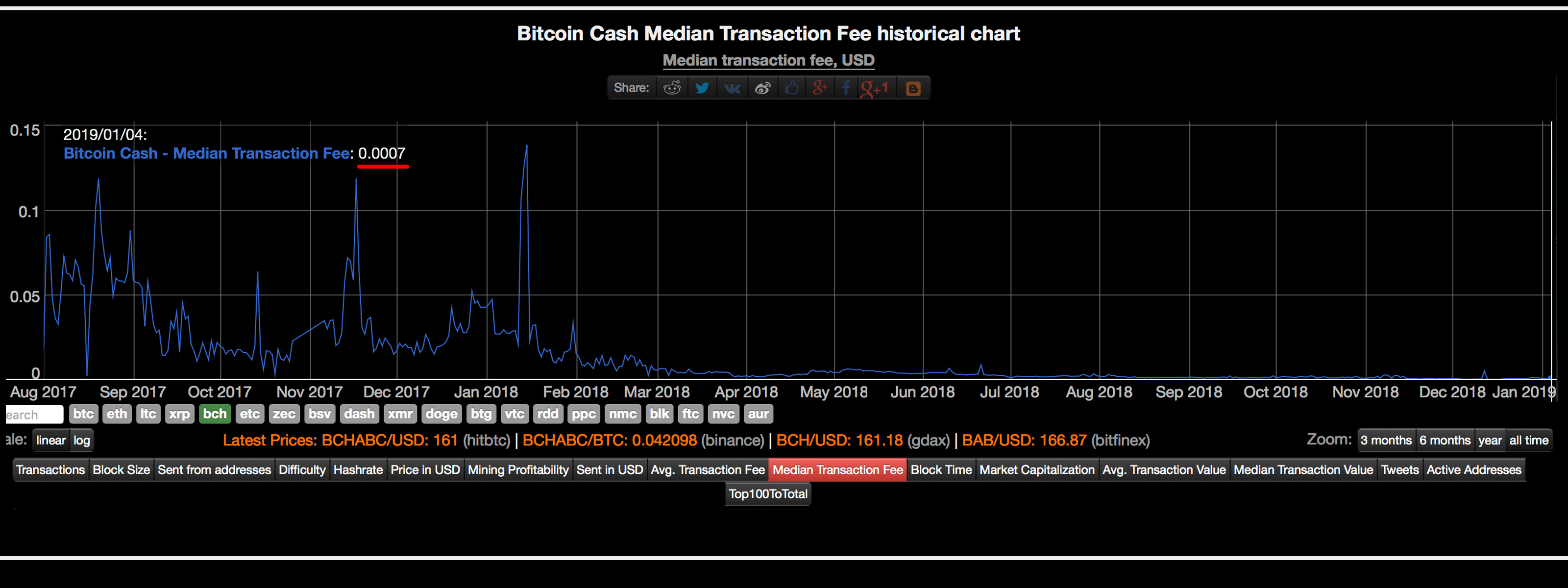
One of the great benefits of the Bitcoin Cash (BCH) network is that miner fees have been consistently inexpensive for well over a year. A typical BCH network fee in 2018 has been lower than most blockchain networks and the median average each day has not surpassed a U.S. penny in 10 months.

Also read: Four Cryptocurrency Hotspots That Saw Tremendous Growth in 2018

Bitcoin Cash Transaction Fees Stay Low

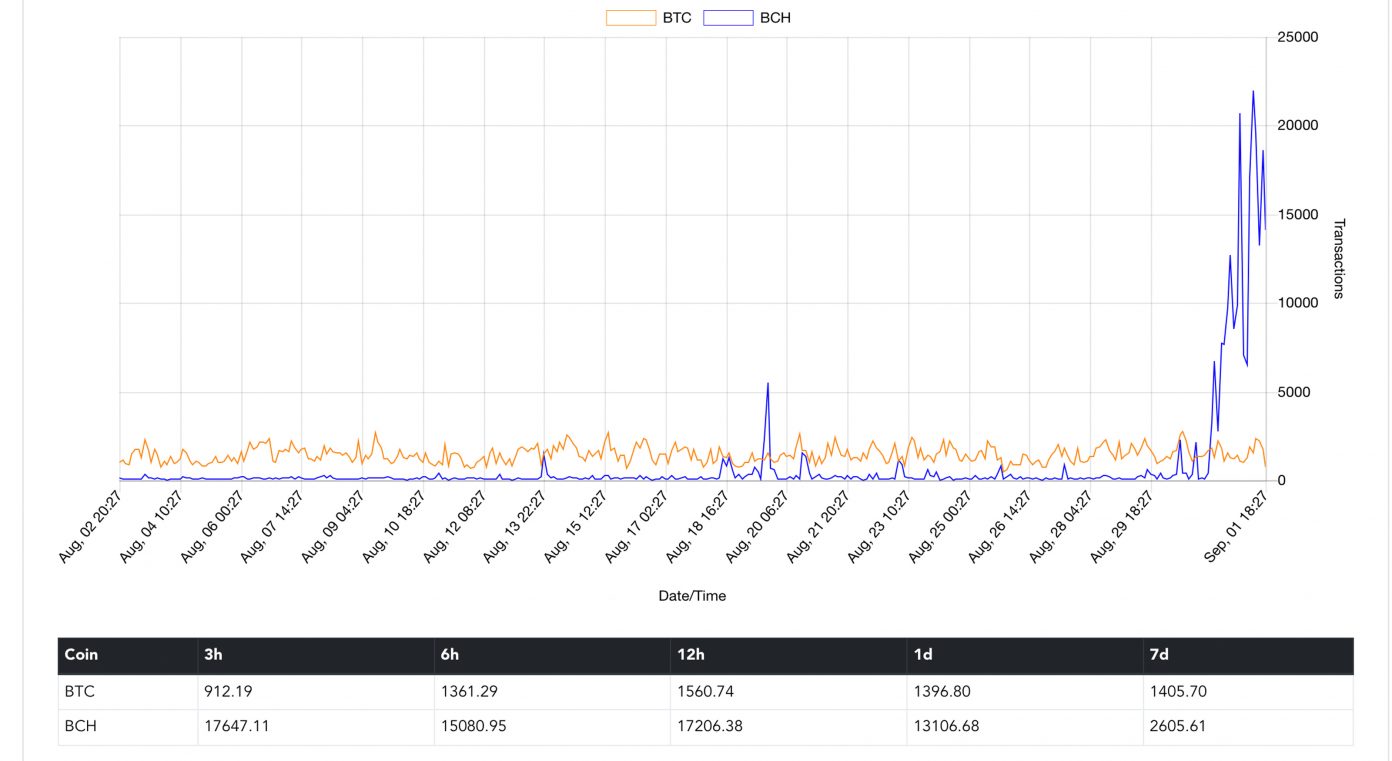
Bitcoin Cash Transaction Fees Were Less Than a Cent Throughout Most of 2018The BCH network continues to truck along in 2019 and with it comes the cheap and lightning fast transactions supporters talk about all the time. Over the last 10 months, the median average for daily BCH miner fees has not risen above a penny. Typically, a transaction of 236 bytes or less costs the sender around $0.001 to $0.008 on the Bitcoin Cash blockchain. Fees were a touch higher during a three month period (December 2017, January and February 2018) when the BCH price touched record highs. However, this was before the BCH hard fork in May, which bumped the block size from 8MB to 32MB. During the BCH stress tests in the first week of last September, the Bitcoin Cash chain processed millions of transactions per day.

When Millions of Transactions Per Day Were Mined — BCH Fees Did Not Budge

On Sept. 1 miners processed 2.2 million transactions in 24 hours, which was followed by the next day’s 1.37 million transactions and the 1.67 million confirmed on Sept. 4. These records shattered BTC’s milestones back in December of 2017 when the BTC chain processed a little over 400,000 transactions per day that month. Although, at that specific time the BTC mempool was severely clogged with unconfirmed transactions and network fees for BTC were anywhere between $25-50 per transaction.

Bitcoin Cash Transaction Fees Were Less Than a Cent Throughout Most of 2018
On Sept. 1 miners processed  2.2 million transactions in 24 hours.

Now one would think fees would have started to increase when the Bitcoin Cash network processed millions of transactions per day, but the BCH median average network fee for all three stress test days was roughly $0.001 per transaction. BCH miners also mined several large 4-8MB blocks, but they also processed a 9, 10, 13.5, 15.2, 23.15MB blocks that week as well.

Bitcoin Cash Transaction Fees Were Less Than a Cent Throughout Most of 2018
A typical Bitcoin Cash network fee over the last 10 months has been less than a cent and the median average each day has not surpassed 2/3 of a U.S. penny.

   BCH Network Fees With Exchanges and Wallets May Differ

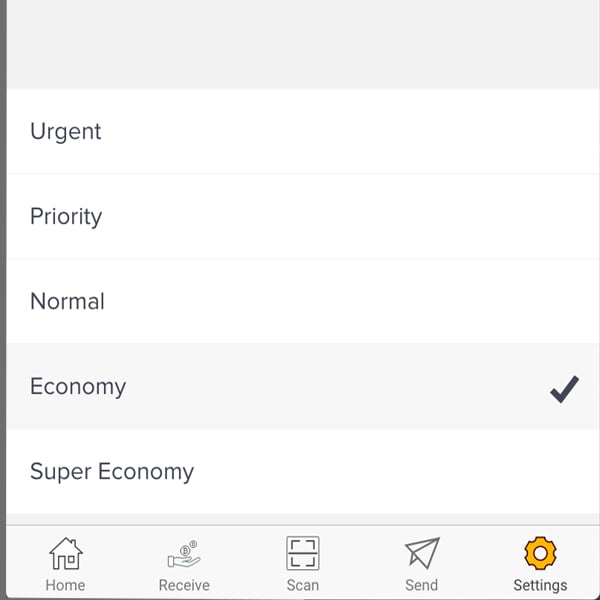
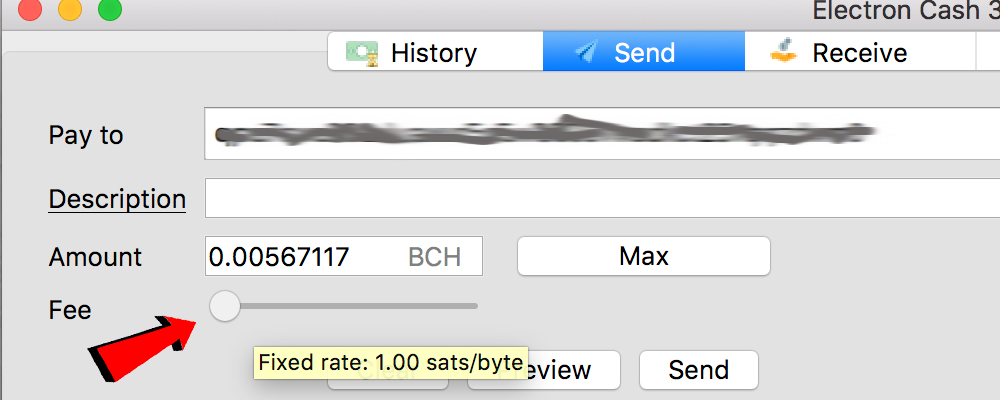
Some people still may be paying too much per BCH transaction, if their wallet’s fee settings are set incorrectly or the wallet client does not let the user customize the network fees. If you think your wallet is sending BCH transactions with a high network fee rate, check the wallets settings and set the fee to “low” or “economy,” instead of “high” or “priority.” Some wallets like Electron Cash allow users to create a customized fee (satoshis-per-byte) so they can set the miner fee to whatever they desire. If a wallet doesn’t allow you to change the fees to a lower setting, then you might want to move the funds to a wallet that does allow custom fee settings. With the ability to customize the fee settings, a BCH wallet user can send incredibly small micropayments across the network.

Bitcoin Cash Transaction Fees Were Less Than a Cent Throughout Most of 2018
Bitcoin.com Wallet fee settings.

When a crypto newcomer withdraws BCH from an exchange, they might assume the Bitcoin Cash network is slow and fees are more expensive than the median rate because of the exchange’s method of operations. If it takes too long to withdraw BCH from a trading platform this is not the network’s fault at all, as the exchange is entirely in charge of releasing the funds. Further, when depositing BCH on an exchange, most of them will not let a customer trade the funds until a number of onchain confirmations have completed.

Bitcoin Cash Transaction Fees Were Less Than a Cent Throughout Most of 2018
Electron Cash wallet fee settings.

Another issue with exchanges is that they usually don’t let customers change the network fee and will sometimes make the customer pay the highest network fee. None of these issues are inherent with the BCH network and have everything to do with leaving funds in the hands of a third party and not having full control. However, there are some exchanges that use low fee settings and in extremely rare occasions some trading platforms will let customers customize the fee.

Low Fees Allow for More Innovation and Global Participation

All year long, BCH network fees have been incredibly inexpensive, which has allowed for all types of innovation. This includes the opcodes added last May and the use of OP_Return transactions with metadata. A wide variety of applications were released during the second half of 2018 that leveraged OP_Return transactions and the new opcodes and the low fees have made things much easier for developers and end users. Low network fees have inspired users to create representative tokens, upload written text, books, and all kinds of files using the BCH chain’s security. BCH network fees that are less than a cent also make it uncomplicated to send microtransactions and support crowdfunding charities like Eatbch in South Sudan and Venezuela. If there is a whole ton of small amounts of micropayments, then it can really add up for people in need. Bitcoin Cash fans believe that inexpensive fees will help push adoption forward and over the last year the network fees have been very low even when processing 4X the number of transactions that other networks have recorded.

What do you think about the low fees on the Bitcoin Cash (BCH) network? Let us know what you think about this subject in the comments section below.


Images via Shutterstock, Bitinfocharts.com, Fork.lol, Pixabay, Electron Cash, and the Bitcoin.com wallet.


Do you agree with us that Bitcoin is the best invention since sliced bread? Thought so. That’s why we are building this online universe revolving around anything and everything Bitcoin. We have a forum, a casino, a mining pool, and real-time price statistics.

The post Bitcoin Cash Transaction Fees Were Less Than a Cent Throughout Most of 2018 appeared first on Bitcoin News.

from Bitcoin News http://bit.ly/2R9MmxI Bitcoin Cash Transaction Fees Were Less Than a Cent Throughout Most of 2018

#Blockchain Thousands of Banned Binance Customers Remain Cut off by the Exchange

No Respite for Thousands of Binance Users Controversially Cut off by the Exchange

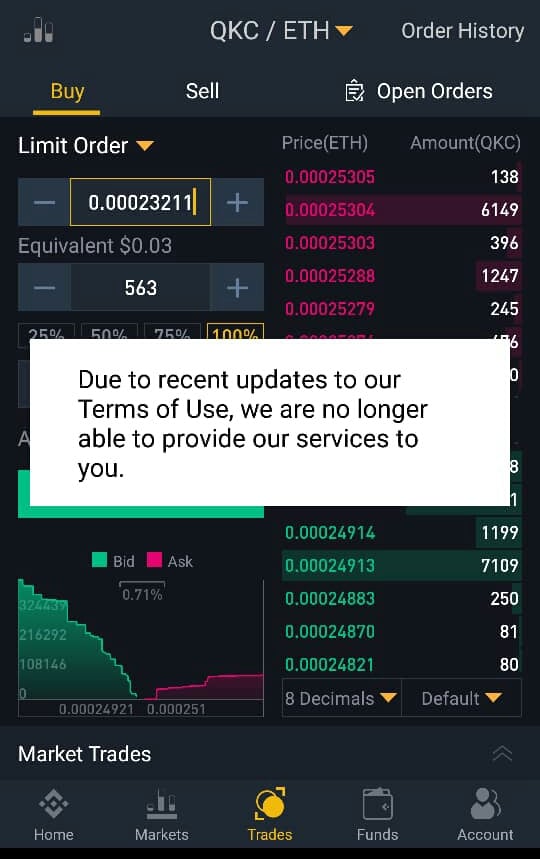
Binance, the world’s second largest digital asset exchange by traded volume, has withdrawn its services from countries targeted by U.S. economic sanctions, in line with its controversial revised terms of use. However, the ban affects entire populations in countries such as Zimbabwe, where U.S. restrictions are supposed to specifically target individuals and companies.

Also read: Bitcoin Primely Positioned as U.S.Foreign Policy Pushes Rivals to Ditch Dollar

Binance Seeks to Satisfy US Interests

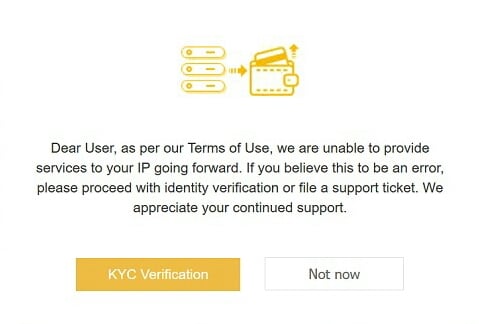
Binance users in Iran, Belarus, Serbia, Bosnia, Myanmar and other restricted jurisdictions have reportedly been cut off for a month now after the global exchange sent a notice of termination. Although Binance’s terms now prohibit individuals and countries on the U.N. Security Council and the Office of Foreign Assets Control of the U.S. Treasury Department (OFAC) sanctions lists, Russia is conspicuously exempt.

Many Zimbabweans who relied on Binance to buy and sell cryptocurrency are now in the lurch as only a handful of other global exchanges accept new account registrations from Zimbabweans due to sanctions. Local financial regulators have already crippled operations of erstwhile popular trading platforms like Golix with a backdoor ban on virtual currencies. After that, trading went underground and continues to flourish on social media platforms like Whatsapp and on emerging peer-to-peer exchanges.

Thousands of Banned Binance Customers Remain Cut off by the Exchange

“I just got the dreaded message when I tried to do a trade [on Binance] this evening,” lamented William Chui, a cryptocurrency broker, on Jan. 4. “Liquidated most of what I had and was keeping elsewhere. But where do I store these tokens?” he pondered, in reference to Binance coin (BNB) and cardano (ADA). Not many wallets support such assets.

The reach of the Zimbabwe Democratic and Economic Recovery Act (Zidera), under which Zimbabwe has been sanctioned for almost two decades, has long been a subject of controversy, with the U.S maintaining that the sanctions are targeted against individuals and institutions that are complicit in bad governance.

The latest Binance terms of use read, in part, “By accessing and using Binance and any of its services, you acknowledge and declare that you are not on any trade or economic sanctions lists, such as the UN Security Council Sanctions list or OFAC.”  These sanctions typically freeze assets of targeted countries, curtail financial transfers to individuals or states as well as suspend services to those on the embargo list.

However, Zimbabwean users who are not on the U.S. sanctions list have been thrown off the exchange by a blanket ban. The sweeping prohibition has no clear basis in either Binance’s new terms of use or Zidera, other than to simply placate U.S. interests. It is also unclear why an exchange that is based outside of the United States would go out of its way to meet the OFAC sanctions list.

Thousands of Banned Binance Customers Remain Cut off by the Exchange

Many were cut off without prior notice. A 36 year-old Harare woman who has kept her small investment of ripple and stellar on Binance for the past year wasn’t even aware that a ban had taken effect. “I have just realized that I cannot do anything on my account anymore, not even a withdrawal,” moaned the woman, who preferred to remain anonymous.

Questions Asked as Binance Targets Smaller Economies

Binance’s November 2018 notice raised few eyebrows, especially since the exchange selectively targeted smaller economies on the U.S. sanctions list. Belarus, for example, is targeted over its alliance with Russia, whereas the latter, a frequent target of Washington’s trade restrictions, is exempt.

Thousands of Banned Binance Customers Remain Cut off by the Exchange

Cryptocurrency has been often hailed as ushering in financial inclusivity and decentralization where the traditional financial system is entangled in geopolitical interests. Although Binance has highlighted its right to alter service terms at its sole discretion, the termination of service to customers to cozy up to political institutions undermines the self-sovereignty that is a key tenet of cryptocurrency – even when it is stored in third-party custodial wallets.

While bigger economies have been maintaining ambiguous or skeptical policies towards cryptocurrency, Belarus is among the smaller countries that have been crafting a crypto-friendly policy framework. Last year, Alexander Lukashenko’s administration legalized the business activities of crypto and blockchain companies registered with the Belarus High Technologies Park (HTP) in Minsk.

Belarusians’ space for buying, selling and trading digital assets is now constricted, but crypto investors can turn to verified online exchanges for their jurisdiction. These offer political immunity from foreign sanctions or internal restrictions.

Bitcoin enthusiasts can also revert to peer-to-peer exchanges such as Localbitcoins, while Crexby, a platform recently launched by Belarusians in the U.S., may soon introduce support for Belarusian ruble trades. Iran enjoyed a brief respite from international isolation over its nuclear programme and alleged bankrolling of terrorism after Barack Obama signed a non-proliferation deal with Tehran in 2016. Current president Donald Trump has renewed sanctions against the country however.

Thousands of Banned Binance Customers Remain Cut off by the Exchange

“Binance had a large liquidity and a number of coins/tokens that allowed me to trade easily. After being ‘kicked out’ my options are very limited for how I can grow my crypto holding, save for hodling,” stated Chui, a Zimbabwean trader.

At press time, Binance had not responded to request from news.Bitcoin.com for comment despite earlier assurances that it would do so.

What do you think about Binance’s unilateral decision to terminate services to some of its loyal users? Let us know in the comments section below.


Images courtesy of Shutterstock.


Need to calculate your bitcoin holdings? Check our tools section.

The post Thousands of Banned Binance Customers Remain Cut off by the Exchange appeared first on Bitcoin News.

from Bitcoin News http://bit.ly/2QqOlIA Thousands of Banned Binance Customers Remain Cut off by the Exchange

#Blockchain Analysis: Understanding the SEC’s Stance on Crypto

Last year the U.S. Securities Exchange Commission took enforcement action against initial coin offerings and other crypto companies perpetrating fraud. Many believe 2019 will be the year when regulators clamp down on rogue cryptocurrency operators. Here we decode the overlapping and occasionally contradictory stance taken by U.S. regulators, and consider what the market can expect.

Also Read: Hundreds of ICOs Being Secretly Investigated by SEC, Claims Report

Federal and State Regulators Have Opposing Views on Crypto

Analysis: Understanding the SEC's Stance on CryptoIn the U.S. there are multiple regulators overseeing cryptocurrencies, plus a number of states introducing different laws. For example, in Ohio announced at the end of November that businesses will be able to pay their taxes in bitcoin. In terms of regulatory bodies, there is the Securities Exchange Commission (SEC), the U.S. Commodity Futures Trading Commission (CFTF), the Federal Deposit Insurance Corporation (FDIC), the Office of the Comptroller of the Currency (OCC), and the Internal Revenue Service (IRS) among others. Many of these agencies have their own areas of oversight, but there are also gray areas in which two or more of these entities operate.

Intensified Scrutiny of ICOs

Throughout 2018, the SEC intensified its scrutiny of ICOs. There were reports of hundreds of startups being “secretly” targeted by the SEC for securities violations. Crackdowns on ICOs also increased with a number of celebrity crypto promoters such as professional boxer Floyd Mayweather Jr. and music producer DJ Khaled being penalized for not disclosing they were paid for their promotional services.  

Analysis: Understanding the SEC's Stance on Crypto
Jay Clayton

Jay Clayton, the chairman of the SEC, has stressed the need for better market surveillance and custody for cryptocurrencies before there can be approval of a Bitcoin exchange traded fund. He has also emphasized that all ICOs must register with the SEC to ensure compliance with U.S. law, saying: “If people are going to raise money using initial coin offerings, they either have to do so in a private placement, or they have to register with the SEC … when you register with the SEC, you’ve got to provide financial statements and disclosure along the lines that we would expect.”

Clayton acknowledged that ICOs “conducted offshore” or those that are “pursuant to a private placement exemption” could fall outside of the SEC’s regulatory purview.

Hester Peirce, a legal expert at the SEC, made a recent appearance on the “What Bitcoin Did” podcast, where she discussed the SEC’s decision to reject nine proposed Bitcoin ETFs. She stated that the SEC has a tendency to “sometimes look at crypto and … say, ‘well it is very different from any other asset class’.” However, she added that while the notion is “to some degree true … there are similarities with other asset classes if you look at something like gold.”

Regulators Continue to Walk a Tightrope

Analysis: Understanding the SEC's Stance on CryptoAngela Walch, professor of law at St. Mary’s University School of Law and a research fellow at the Centre for Blockchain Technologies at University College London, stresses the importance of having a diverse perspective. 

“Regulators continue to walk a tightrope, trying to simultaneously protect consumers, foster innovation, and avoid system failures. It seems like most of the SEC commissioners, including Chairman Clayton, view their mandates of protecting consumers and the financial system as primary, with enabling innovation as secondary. Commissioner Peirce seems to have the opposite view,” said Walch.

Walch acknowledges that more of the commissioners appear to be focused on the risks that crypto assets could pose to the financial system. “This means that, for now, Commissioner Peirce gets to look innovation-friendly without worrying about the consequences of her views being enacted, because the other commissioners are holding the line – even if that makes them less popular with the crypto industry,” added Walch.

Four Major Concerns Identified

Trace Schmeltz, a partner in the Chicago and Washington D.C. offices of Barnes & Thornburg LLP, said: “In regulating the cryptocurrency market – and, specifically, bitcoin as a potential ETF, the SEC has four primary concerns;”

  • Market manipulation—the possibility that thinly traded, loosely regulated, spot markets are subject to potential manipulation (like the market for frozen concentrated orange juice in Trading Places). 
  • Price volatility—the concern that it is difficult to accurately price volatile markets, since the ETF must match the price movement of the underlying investment. 
  • Liquidity—there must be adequate liquidity in the market such that an investment can be immediately liquidated, a concern especially for 40 Act funds that may hold ETF investments. 
  • Physical Custody—any ETF that is physically backed rather than futures based must be able to obtain and prove secure physical custody of bitcoin. 

Schmeltz added that at this stage the bitcoin market is sufficiently mature that each of these issues has been resolved. He concluded: Mergers and acquisitions in these days of lower bitcoin valuations will lead to an even more stable market with greater controls and more surveillance. As a result, it seems it is high time for the SEC to place market innovation ahead of these regulatory concerns and approve a bitcoin-based ETF.”

Will the SEC increase the number of enforcement actions it takes against crypto companies in 2019? Let us know in the comments section below.


Images courtesy of Shutterstock.


Need to calculate your bitcoin holdings? Check our tools section.

The post Analysis: Understanding the SEC’s Stance on Crypto appeared first on Bitcoin News.

from Bitcoin News http://bit.ly/2sa9Kwh Analysis: Understanding the SEC’s Stance on Crypto

#Blockchain Four Cryptocurrency Hotspots That Saw Tremendous Growth in 2018

Four Cryptocurrency Hotspots That Saw Tremendous Growth in 2018

In the last few years, the cryptocurrency environment has changed drastically and there is a bunch of new cryptocurrency hotspots popping up across the globe. Gone are the days when certain territories such as Zug, Prague, and other blockchain hub cities dominated the headlines. Now a variety of different regions like Malta, South Korea, Hong Kong, and Japan are quickly becoming cryptocurrency hotspots as well.

Also read: More Japanese Crypto Exchanges to Self-Regulate

Four Digital Currency Hubs Shine in 2018

Digital assets are becoming more popular every year as the technology Satoshi released a decade ago continues to advance today. A few years ago, before the bull run of 2017 and the subsequent bear markets in 2018, there were just a few cryptocurrency hotspots in the world with places like San Francisco, Zug and Prague. Now the aforementioned areas still have a large amount of cryptocurrency presence, but there are other regions that have shined over the last year and are steadily becoming some of the top cryptocurrency hubs worldwide.

Japan

Four Cryptocurrency Hotspots That Saw Tremendous Growth in 2018 Japan started really gaining steam in 2017 as far as cryptocurrency adoption is concerned and the country has continued this effort in 2018. Furthermore, since Japan’s Financial Services Agency (FSA) enacted the “Payment Services Act” on April 1, 2017, for close to two years the country’s officials have been creating a wide variety of regulatory rules surrounding digital currencies and began licensing trading platforms. The country has seen an onslaught of startups and other crypto ventures wanting to set up their business models in the region. This trend has pushed Japan’s regulators into high gear over the last 12 months.

Four Cryptocurrency Hotspots That Saw Tremendous Growth in 2018
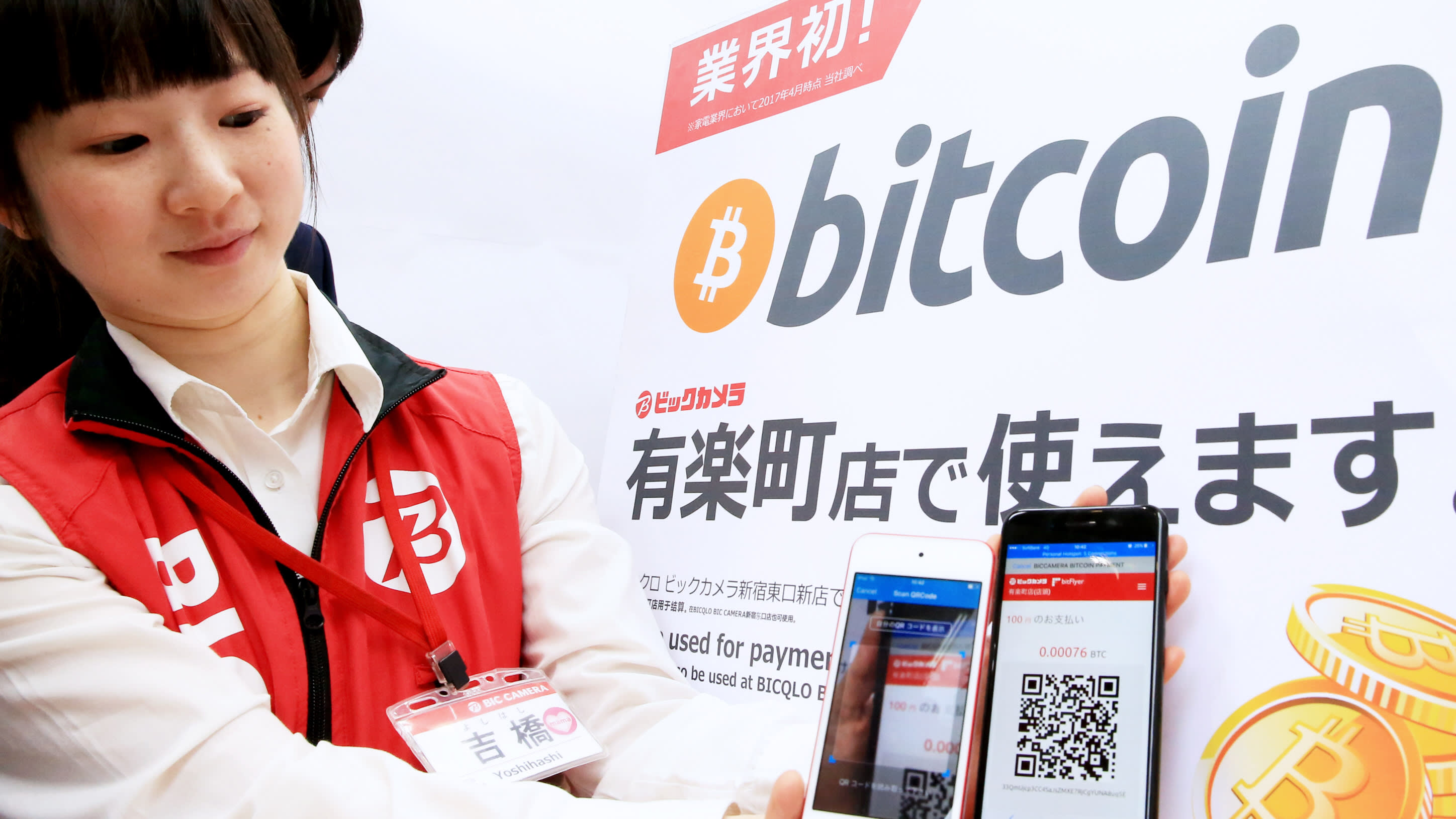
Bic Camera clerk showing a BTC payment at the Shibuya Hachikoguchi location.

For instance, in 2018 the FSA mandated that exchange platforms must add certain security features like cold wallet storage after dealing with the logistics of the Coincheck breach. Last December, before the new year, the FSA published its final report that outlined certain requirements for cryptocurrency service providers. Even with all the new rules, Japan has continued to thrive as a cryptocurrency hub. Last month the FSA told news.Bitcoin.com that 190 companies are looking to enter Japan’s thriving cryptocurrency ecosystem. Lastly, the Japanese yen has been a top cryptocurrency trading pair in 2018 as trade volume in yen exceeds most other fiat currencies.   

Malta

Four Cryptocurrency Hotspots That Saw Tremendous Growth in 2018 The Republic of Malta, a European island country in the Mediterranean Sea, has become a hotspot for cryptocurrencies last year as well. Similarly to Japan, the region launched a “Blockchain Strategy” program that was backed by Maltese Prime Minister Joseph Muscat in April 2017. In 2018, the area really started heating up as a vast amount of crypto businesses began looking into setting up shop in the country. The Maltese government created the Malta Digital Innovation Authority (MDIA), which planned to help procure regulatory standards within the island.

Well known trading platforms like Binance, Waves, Okex, and Bittrex started operations in Malta in 2018. Last October, lots of providers who planned to work with cryptocurrencies and initial coin offerings (ICOs) in Malta had to pass an exam to operate legally, but only 39 percent passed. The following month, in November, Maltese regulators published testing criteria for distributed ledger technology projects (DLTs) and ICOs. Throughout the entire year, Malta has become notorious being a more forward thinking region toward cryptocurrency and blockchain solutions.

Four Cryptocurrency Hotspots That Saw Tremendous Growth in 2018
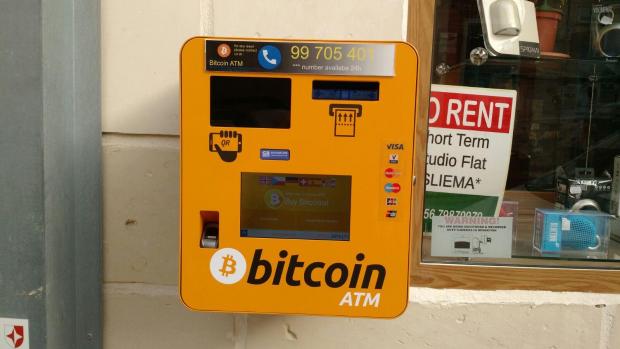
BATM located in Sliema.

South Korea

Even though South Korea was big on regulations this year, the country is still a top destination when it comes to cryptocurrency acceptance. Again, like many of the other new hotspots, South Korea’s crypto fever started in 2017 with large amounts of trade volumes stemming from exchanges like Bithumb and Upbit. News about South Korean authorities ramping up regulations was the top headlines during the first two months of 2018. Officials from the country launched a nationwide cryptocurrency account system, which frowned upon the trading of anonymous cryptocurrencies. With the newly enforced rules, South Korea enacted a real-name protocol, a system that required cryptocurrency traders to submit identification to exchanges.

Four Cryptocurrency Hotspots That Saw Tremendous Growth in 2018
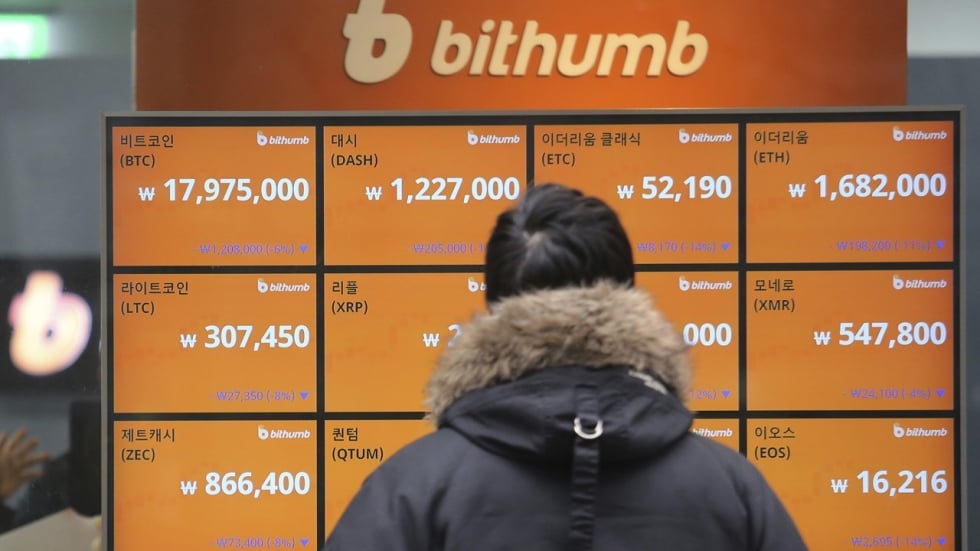
Bithumb offices South Korea.

However, despite the regulatory crackdown in 2018 digital, currency trade volume in the country has remained high as the Korean won is typically a top fiat pair along with the USD, JPY, and EUR. In May, news.Bitcoin.com reported on more than 100 exchanges operating in the country and a large majority of these businesses do not follow the region’s cryptocurrency account system. A recent report published this past December had also emphasized that South Korea will play an integral role in cryptocurrency adoption. At the end of the year, South Korea’s top financial regulator told news.Bitcoin.com that six new digital currency bills have been filed with the National Assembly.

Four Cryptocurrency Hotspots That Saw Tremendous Growth in 2018
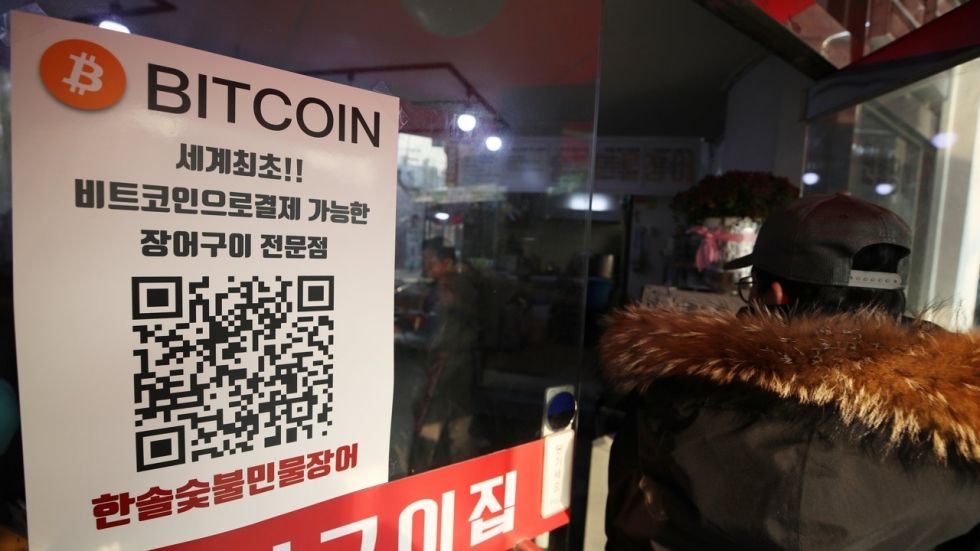
Crypto-accepting merchant located in Seoul, South Korea.

Hong Kong

Four Cryptocurrency Hotspots That Saw Tremendous Growth in 2018 Hong Kong has always been bustling with capitalistic energy and entrepreneurship, but ever since China banned cryptocurrency trading and initial coin offerings (ICO), Hong Kong has been a mecca for the digital revolution. Many cryptocurrency firms operate in the region, including companies like Anx, Bitspark, 300cubits, Bit-z, Okcoin, Genesis Block, IOHK, BTCC, and more. In May, the government of Hong Kong published its 2018 Money Laundering and Terrorist Financing Risk Assessment Report which noted that organized crime syndicates were not using bitcoin.

Four Cryptocurrency Hotspots That Saw Tremendous Growth in 2018
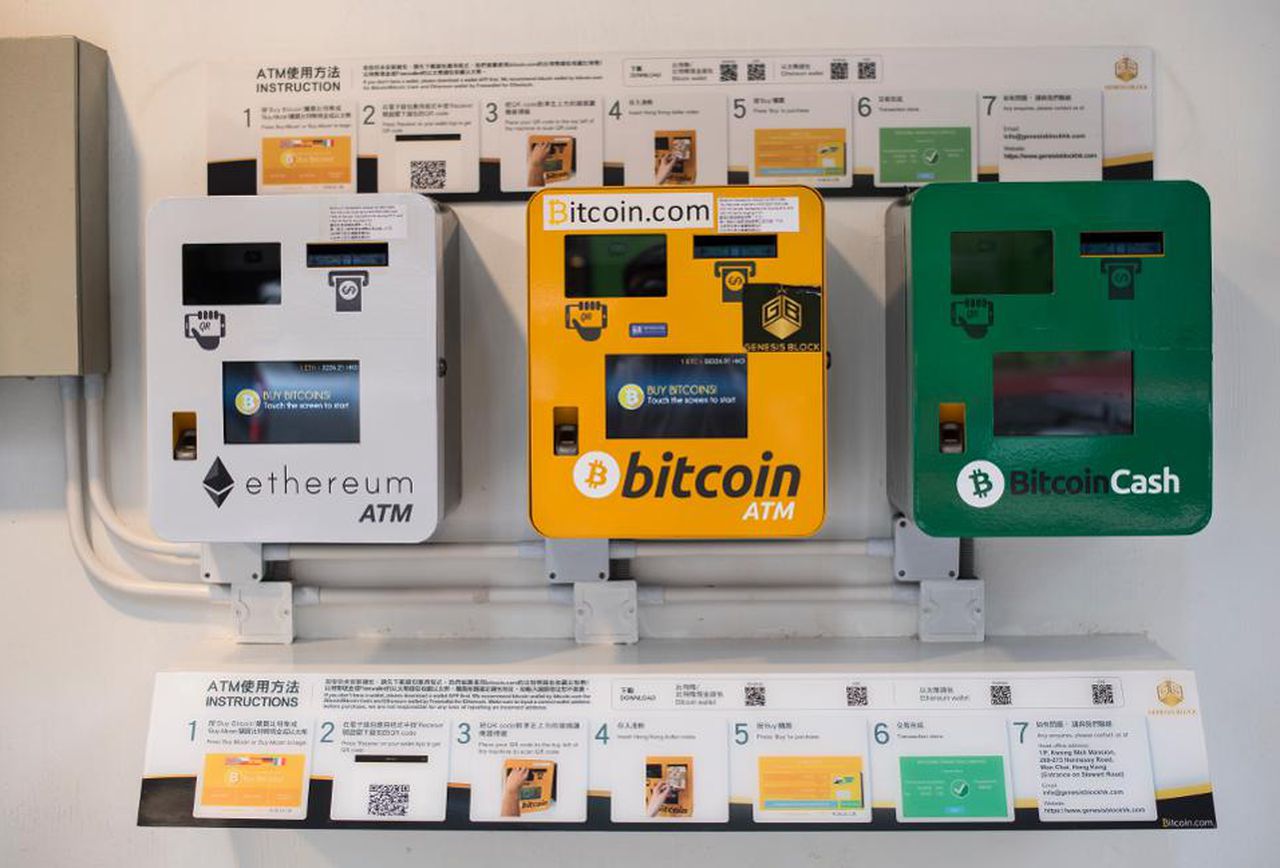
The Genesis Block studio located in Wan Chai, Hong Kong, has three cryptocurrency ATMs that dispense BCH, BTC and ETH.

This past August, Hong Kong authorities explained to the press they have been trying to attract financial tech talent and blockchain startups. In 2018, three of the largest mining rig manufacturers in the world, Bitmain, Canaan, and Ebang, filed for initial public offerings (IPO) in the country. In November, Hong Kong’s Securities and Futures Commission published two circulars, which outline new regulatory guidelines for cryptocurrency operations in the region. Even though the rules apply to all forms of crypto intermediaries, businesses are still flocking to Hong Kong to operate there. For instance, the Shanghai-based startup Invault has recently received a trust license in order to manage digital asset custodial services.

Many Other Regions Continue to Embrace the Cryptocurrency Industry

All four of these jurisdictions have seen tremendous growth as far as becoming rising digital asset hubs in the world. As mentioned above, even though they have also seen heavier regulatory actions from government officials in 2018, that hasn’t hindered progress in these areas yet. Both the Japanese yen and the Korean won were seeing far more trade volume in 2017 than in 2018, but numbers had dived significantly in nearly every other country as well. Furthermore, places like Zug and San Francisco are still very crypto-friendly and are home to a lot of blockchain and cryptocurrency startups. Alongside this, many other regions like Puerto Rico, the Philippines, Argentina, Madrid, and Vancouver continued to show friendliness toward the cryptocurrency industry last year.

What do you think about the four cryptocurrency hotspots that shined in 2018? Let us know what you think about this subject in the comments section below.


Images via Shutterstock, Bithumb, Bic Camera, Genesis Block, and Pixabay.


Do you agree with us that Bitcoin is the best invention since sliced bread? Thought so. That’s why we are building this online universe revolving around anything and everything Bitcoin. We have a forum, a casino, a mining pool, and real-time price statistics.

The post Four Cryptocurrency Hotspots That Saw Tremendous Growth in 2018 appeared first on Bitcoin News.

from Bitcoin News http://bit.ly/2sa7ntd Four Cryptocurrency Hotspots That Saw Tremendous Growth in 2018

#USA Hire faster, work happier: Startups target employment with AI and engagement tools

//

If you have a job today, there’s a good chance you personally reached out to your employer and interviewed with other humans to get it. Now that you’ve been there a while, it’s also likely the workday feels more like a long slog than the fulfilling career move you had envisioned.

But if today’s early-stage startups have their way, your next employment experience could be quite different.

First, forget the networking and interview gauntlet. Instead, let an AI-enabled screening program reach out about a job you don’t seem obviously qualified to do. Or, rather than talk to a company’s employees, wait for them to play some online games instead. If you play similarly, they may decide to hire you.

Once you have the job, software will also make you more efficient and happier at your work.

An AI-driven software platform will deliver regular “nudges,” offering customized suggestions to make you a more effective worker. If you’re feeling burned out, head online to text or video chat with a coach or therapist. Or perhaps you’ll just be happier in your job now that your employer is delivering regular tokens of appreciation.

Those are a few of the ways early-stage startups are looking to change the status quo of job-seeking and employment. While employment is a broad category, an analysis of Crunchbase funding data for the space shows a high concentration of activity in two key areas: AI-driven hiring software and tools to improve employee engagement.

Below, we look at where the money’s going and how today’s early-stage startups could play a role in transforming the work experience of tomorrow.

Artificial intelligence

To begin, let us reflect that we are at a strange inflection point for AI and employment. Our artificially intelligent overlords are not smart enough to actually do our jobs. Nonetheless, they have strong opinions about whether we’re qualified to do them ourselves.

It is at this peculiar point that the alchemic mix of AI software, recruiting-based business models and venture capital are coming together to build startups.

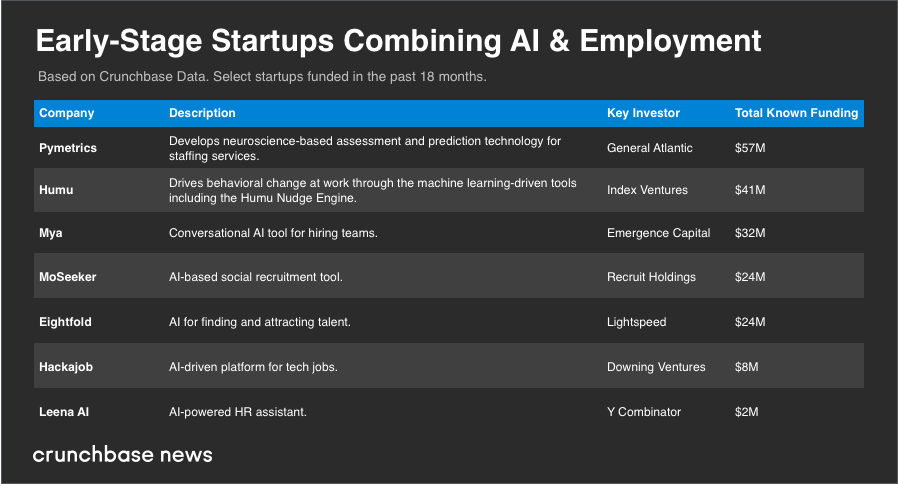
In 2018, at least 43 companies applying AI or machine learning to some facet of employment have raised seed or early-stage funding, according to Crunchbase data. In the chart below, we look at a few startups that have secured rounds, along with their backers and respective business models:

At present, even AI boosters don’t tout the technology as a cure-all for troubles plaguing the talent recruitment space. While it’s true humans are biased and flawed when it comes to evaluating job candidates, artificially intelligent software suffers from many of the same bugs. For instance, Amazon scrapped its AI recruiting tool developed in-house because it exhibited bias against women.

That said, it’s still early innings. Over the next few years, startups will be actively tweaking their software to improve performance and reduce bias.

Happiness and engagement

Once the goal of recruiting the best people is achieved, the next step is ensuring they stay and thrive.

Usually, a paycheck goes a long way to accomplishing the goal of staying. But in case that’s not enough, startups are busily devising a host of tools for employers to boost engagement and fight the scourge of burnout.

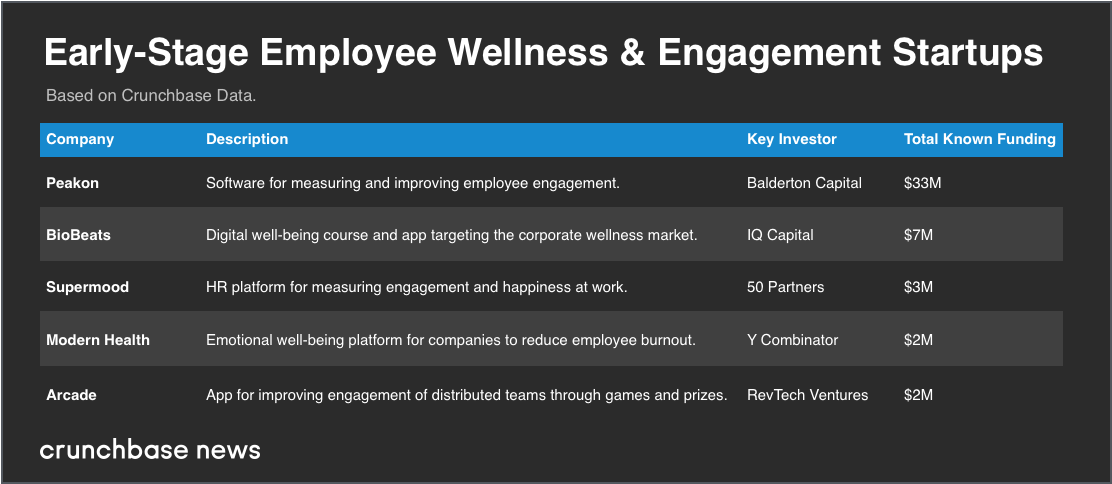
In the chart below, we look at a few of the companies that received early-stage funding this year to build out software platforms and services aimed at making people happier and more effective at work:

The most heavily funded of the early-stage crop looks to be Peakon, which offers a software platform for measuring employee engagement and collecting feedback. The Danish firm has raised $33 million to date to fund its expansion.

London-based BioBeats is another up-and-comer aimed at the “corporate wellness” market, with digital tools to help employees track stress levels and other health-related metrics. The company has raised $7 million to date to help keep those stress levels in check.

Early-stage indicators

Early-stage funding activity tends to be an indicator of areas with somewhat low adoption rates today that are poised to take off dramatically. For employment, that means we can likely expect to see AI-based recruitment and software-driven engagement tools become more widespread in the coming years.

What does that mean for job seekers and paycheck toilers? Expect to spend more of your time interfacing with intelligent software. Apparently, it’ll make you more employable, and happier, too.

from Startups – TechCrunch https://tcrn.ch/2AxWXbm

#Blockchain Texas Updates Regulatory Guidance Regarding Cryptocurrency Activities

Texas Updates Regulatory Guidance Regarding Activities Involving Cryptocurrency

The Texas Department of Banking has published new guidance regarding the regulatory treatment of virtual currencies under the Texas Money Services Act. The document states that most transactions involving cryptocurrencies will not be considered a transfer of “monetary value” but the exchange of virtual currencies for fiat will likely be recognized as a “money transmission.”

Also Read: More Japanese Cryptocurrency Exchanges Sign up for Self-Regulation 

Texas Department of Banking Updates Regulatory Position on Crypto Transactions

Texas Updates Regulatory Guidance Regarding Cryptocurrency ActivitiesOn Jan. 2, the Texas Department of Banking published a supervisory memorandum providing updated regulatory guidance regarding the treatment of cryptocurrencies under state law.

While the memorandum notes that bitcoin and cryptocurrencies have “sparked new discourse on the nature of money” and the “transferability of value,” the document emphasizes that it seeks only to express the department’s interpretation of the Texas Money Services Act as it pertains to activities involving cryptocurrencies under existing statutory definitions.

Guidelines Classify Virtual Currencies as ‘Centralized’ or ‘Decentralized’

The guidelines classify cryptocurrency according to their centralization, with decentralized virtual currencies described as not have been “created or issued by a particular person or entity,” in addition to having “no administrator, and no central repository.”

Centralized virtual currencies, the document states, are defined as having been “created Texas Updates Regulatory Guidance Regarding Cryptocurrency Activitiesand issued by a specified source,” adding that “they rely on an entity with some for authority or control over the currency.”

Stablecoins are described as comprising a “subclass” of centralized virtual currencies. With regard to money transmission regulation, the memorandum states that “an important aspect” of stablecoins that are backed by sovereign currencies is the “redemption right that allows the stablecoin holder to redeem the coin for fiat currency from the issuer.”

The memorandum adds that “Some experts consider cryptocurrency to be a new asset class that is neither currency nor commodity, but possessing characteristics of both, as well as characteristics of neither.”

Licensing Considerations Regarding Cryptocurrency Companies

Texas Updates Regulatory Guidance Regarding Cryptocurrency ActivitiesThe Texas Department of Banking notes that in many instances, the “factors distinguishing the various centralized virtual currencies can be complicated and nuanced,” and as such the regulator “must individually analyze centralized virtual currency schemes.”

The document states that licensing determinations regarding transactions involving virtual currencies will be decided “on the sole question” of whether the cryptocurrency should be considered “money or monetary value” under the Money Services Act.

The guidelines also state that exchanging virtual currency for sovereign currency is not regarded as comprising “currency exchange” under the Texas Finance Code, adding that the code defines currency for the purpose of currency exchange as “the coin and paper money of the United States or any country that is designated as legal tender.”

Policy Implications of Texas’ New Guidelines

Texas Updates Regulatory Guidance Regarding Cryptocurrency ActivitiesWhile the document states that it “does not offer generalized guidance on the treatment of centralized virtual currencies, other than sovereign-backed stablecoins,” a number of general policy assertions are made with regard to cryptocurrency activities.

Broadly speaking, the memorandum states that without the involvement of fiat currency in a transaction, no money transmission has occurred under the existing statutes. However, cryptocurrency transactions involving sovereign currency “may” comprise money transmissions “depending on how the sovereign currency is handled.” The document adds that “A licensing analysis will be based on the handling of the sovereign currency.”

The guidelines note that the exchange of cryptocurrency in exchange for fiat currency between two parties is not money transmission, but rather comprises “a sale of goods between two parties.” The exchange of cryptocurrency in exchange for another cryptocurrency, in addition to the “transfer of cryptocurrency by itself” also falls outside of the legal definition of money transmission.

However, the “exchange of cryptocurrency for sovereign currency through a third-party exchanger” is generally considered money transmission. Additionally, the “exchange of cryptocurrency for sovereign currency through an automated machine” is “usually but not always” deemed to comprise money transmission.

What is your response to the Texas Department of Banking’s updated interpretation of the state’s Money Services Act regarding virtual currencies? Share your thoughts in the comments section below!


Images courtesy of Shutterstock


Why not keep track of the price with one of Bitcoin.com’s widget services.

The post Texas Updates Regulatory Guidance Regarding Cryptocurrency Activities appeared first on Bitcoin News.

from Bitcoin News http://bit.ly/2Fcdi8S Texas Updates Regulatory Guidance Regarding Cryptocurrency Activities

#Blockchain Wendy McElroy: Interview with Jeffrey Tucker on All Things Crypto, Part One

Interview with Jeffrey Tucker on All Things Crypto, Part One

Interview with Jeffrey Tucker on All Things Crypto, Part One
Conducted by Wendy McElroy

The multi-faceted Jeffrey Tucker is an American writer who focuses on market freedom, anarcho-capitalism, and cryptotech. He is the author of eight books on economics, politics and culture, a much-sought after conference speaker, and an Internet entrepreneur. Jeffrey is editorial director and vice president of the venerable American Institute for Economic Research, founded in 1933. His career has focused on building many of the web’s primary portals for commentary and research on liberty, and is undertaking new adventures in publishing today.

I have incredible good fortune, as Jeff has written the preface to my book “The Satoshi Revolution,” which will be published in early 2019 by bitcoin.com. Meanwhile, a rough draft of the book is available online for free, compliments of bitcoin.com. Be sure to come back for the substantially-rewritten and thoroughly-edited book. I expect there will be a forum established here for me to chat with readers and answer their questions.

Let the interview begin…

Wendy: You have written extensively on Austrian Economics and cryptocurrency. Can you sketch out how cryptocurrency fits in with that economic tradition?

Jeff: The most obvious point concerns the capacity of the market to produce money as if were a normal good and service. This is remarkable, unthinkable 20 years ago, life-changing, epic.

Governments have mostly monopolized money for a century, and have been dominant in the monetary sector for some 6,000 years. We are living through a shift now that we know for sure that monetary secession is possible and operational.

Most Austrians in the 20th century worked toward reestablishing the gold standard. That’s good, but it never happened. It was Hayek who first threw down the gauntlet: get government completely out of the realm of money and let innovation take its course.

I would say that crypto has five Austrian founding fathers: Menger for showing that money has a market origin, Mises for his warning against central banking, Hayek for coming up with the idea of radical competition in money, Rothbard for his emphasis on money as property, and Kirzner for showing how entrepreneurship can defy our existing knowledge to reveal something completely new.

Aside from money, crypto’s core tech is the best innovation in history for definitely tracing provenance, which is the documented history of trades in private property. You need a technology for this. In the ancient world, it was clay tablets. Much later it was papyrus and then parchment and vellum. Databases were a glorious innovation. But all these technologies suffered from a problem which had heretofore been insoluble: they had a central point of failure. Blockchain has fixed that.

For this reason, the innovation of crypto is even more fundamental than giving us a new form of money. It is a technology of documentation. It scientifically tracks ownership rights. It has thus given us a better way to conduct human affairs in a more peaceful and prosperous way. I suspect it will be another ten years before this point is widely understood.

Wendy: You knew and worked with Murray Rothbard for many years. What do you think his take on crypto would have been? What would you have said to him in return?

Jeff: People always ask me: what would Murray say? My answer is that Murray was always learning, adapting, reapplying principles, discovering new information, just like any great intellectual. There is not one Murray. There are many, simply because he had such an active mind. That process ended when he died in 1995. He left us an enormous legacy. I don’t think it is fair to him or his legacy for anyone to pretend that he or she has a precise fix on what he would be thinking right now about current politics.

Some people claim Murray would be wildly pro-Trump, for example, but I think it is just as likely that the experience so far with the Trump administration would have rekindled his 1960s-style loathing of rightist authoritarianism and his burning critique of revanchist politics, particularly on the trade point but also on immigration. For forty years, Murray wrote for free trade and free migration. In his last years, he wrote a few sentences that raised some doubts about migration based on the political implications. Which Murray is the true one? I think this is the wrong question. The right question is: how can we apply in our times the principles that Murray stood for in his long career?

On the matter of crypto, I will say this. Murray did not agree with Hayek on money. In fact, Murray didn’t believe that a new money could ever compete with an older money once that money has become generally accepted. He cited Mises’s theory of money’s origins to support his position. For this reason, he only approved of the path of reforming the dollar. His view of money was rather static and rationalistic, and I know this because I held that view also, for many years. I saw many attempts at private e-money fail, and this reinforced my opinion.

I’m guessing, then, that Murray would have been slow to recognize what Bitcoin achieved, just as I had been slow. I had seen digital money fail but I didn’t precisely understand why they had failed: none had solved the problem of double spending. If you get that wrong, you set up a situation in which money becomes as reproducible as anything on the Internet, which is to say it is unsound. Bitcoin solved that problem. It enabled the creation of a scarce good which has all the features of money, plus building in a payment system into the architecture itself.

Might Murray have been convinced by the evidence? If he had the right person to explain it to him, possibly yes. From 2009 until about 2014, it was actually difficult to find material written for the economist who could explain why Bitcoin was money. Most everything available was written in the language of computer science, and so economists were generally left out.

In 2013, I undertook a major effort to educate myself about cryptography, distributed networks, hashing technology, and digital ledgers. I  combined that new knowledge with my existing knowledge base and gradually came to understand. It was a big project. One of the most exciting of my life. By the time I was ready to write about it, I had not prepared myself for the reality that most economists were nowhere near the point of comprehending what this was all about.

So after I wrote my first article – February 2013, I believe – I faced a tremendous avalanche of attacks from old colleagues. I was stunned. This is a huge problem with intellectuals actually. They think they know, and so their knowledge blinds them to new understanding. It’s the opposite with the market, which is always in discovery mode. This is why Hayek constantly emphasized that a seriously pro-market economist must adopt a stance of humility and openness to the boundless creativity of the market. The market must be our teacher. The market teaches more than textbooks but you have to be willing to have a teachable spirit and look outside the window.

Wendy: What is your impression of how crypto is being received by most Austrian economists? Which ones, if any, seem particularly enthusiastic about it? Which ones seem particularly hostile?

Jeff: Many Austrians had come to misapply Murray’s own theory in the crudest possible form: no new money was ever possible. This is wrong on its face. We have countless examples of new money being produced. For example, every prison has its own money. It could be mackerel cans or ramen noodles. Doesn’t matter really. It happened in school when we were kids: people trade marbles or bathroom passes or anything as money.

The penchant to invent money flows from the needs of trade. Remember the definition of money: something acquired not for consumption but for later use in indirect exchange. There are, as Menger said, degrees of moneyness based on the range of acceptability. Something can be money in one context and just another exchangeable good in a different context. The whole concept is far more fluid than is generally supposed.

By 2013, most economists, Austrian or not, had become complacent in believing that they had money figured out. Bitcoin was just too new and bizarre for them to comprehend. I don’t think a single article from an economist had been accepted on the topic in any conventional academic journal. George Selgin, I think, was the first serious economist to write competently about synthetic money as a new form of money and payment system. Why Selgin and why not the others? I think it is because he is among the most empirically aware and institutionally curious of all the Austrians. He truly understands monetary history. He wrote an entire book on private monies in the Industrial Revolution, so he was profoundly aware of how failed public services inspire private monetary entrepreneurs.

Other Austrians just dug in their heels in those days and screamed: gold is money. Speaking as a matter of history, this is a correct statement. But the gold standard had been gradually destroyed by governments over the course of the 20th century. There are conditions under which gold could become money again, but governments and central banks don’t want that. Crypto came along as a kind of digital gold. Even the metaphors of the crypto world (think of the term mining) come from the history of the gold standard.

Another problem is the lack of technological sophistication of old-school Austrians. Many of them can’t explain why Facebook is valuable or anything else about information economics. They are too quick to observe any facet of the digital world and deem it a bubble because it is not grounded in physical things. That’s a very strange attitude for Austrians who are supposed to believe in subjective value but there it is.

I recall being completely befuddled by the tremendously dopey things that Austrians were writing in those days, even on once-respected venues. I called up one prominent writer and tried to explain crypto to him. He kept saying over and over again: “Bitcoin is not real; it is only digital.” I was having this conversation with him on Skype. I said: “Do you think this conversation is real?” He said yes. I then asked him if he understood that both the voice and the visuals were entirely digital. He just blinked his eyes in confusion. Then he went right back to writing dumb things.

These days, matters are much better. We have an entire team of economists at the American Institute for Economic Research – including people like William Luther, Max Gulker, Pete Earle, Scott Burns, Brian Albrecht, J.P. Koning, Lawrence White, J.P. Koning, Alexander Salter – who are super sophisticated on the topic of cryptocurrency and blockchain technology. They don’t all agree with each other but they get the core of it. They don’t pretend to know things they do not know.

There are still people extant whose primary objection to Bitcoin is that it is “not backed.” They still don’t understand that it is possible for the digital world to reproduce value relationships that exist in the physical world. Unless you get that intellectual, you will never understand how markets can produce and manage money in the 21st century.

[To be continued next week.]

Reprints of this article should credit bitcoin.com and include a link back to the original links to all previous chapters


Wendy McElroy has “published” her new book The Satoshi Revolution exclusively with Bitcoin.com. However, things aren’t over yet. Every Saturday you’ll find another installment in a series of interviews about sections of the book with people like Doug Casey, L.Neil Smith, Jeff Tucker, Carl Watner…and so on. Altogether they’ll make up her new book ”The Satoshi Revolution”.

The post Wendy McElroy: Interview with Jeffrey Tucker on All Things Crypto, Part One appeared first on Bitcoin News.

from Bitcoin News http://bit.ly/2SFmqGP Wendy McElroy: Interview with Jeffrey Tucker on All Things Crypto, Part One

#UK Operation snowflake: Have Army recruitment Ads gone soft?

//

‘Bring back National Service’ is the oft repeated cry of the older generation when the current crop of youth seems particularly feckless.

The idea being that a spot of square and spud bashing will instil some much-needed discipline and moral fibre in the degenerate bunch.

So, it’s somewhat surprising that a new ad campaign just launched by the Army is seeking to enlist recruits from, quote ‘snowflakes’, ‘phone zombies’, ‘selfie addicts’, ‘class clowns’ and ‘me, me, me, millennials’. 

You are much misunderstood the ads claim. We appreciate your hidden talents and want to put them to use.

The ads, which are a spoof of the old Lord Kitchener ‘Your Country Needs You’ poster, promise snowflakes that the Army needs their compassion, assure Phone Zombies that they need their focus, and tell Millennials that they value their self-belief.

You must admit that appealing to their vanity rather than their public spirit or patriotism is a clever ploy, even if it does involve a certain sleight of hand. I mean, can you imagine a Sergeant Major addressing Snowflake squaddies in a gentle, non-judgement way? Or tolerating the Class Clown wearing his forage cap back to front?

I’m reminded of that comic song, popular during the last war, ‘Kiss Me Goodnight, Sergeant Major’ which includes the verse: ‘Don’t forget to wake me in the morning / With a nice hot cup of tea / Kiss me goodnight Sergeant Major / Sergeant Major be a mother to me.’

Well, reality will hit soon enough, but by then they’ll have them by the short and curlies, soon to become a short back and sides! And who knows, perhaps the army will succeed in making men (and women) of Generation Z.

The TV ads that support the poster campaign make a rather more convincing case that they can. Cleverly intercut between scenes of the candidates’ humdrum daily lives and their active role in the forces, they make the point that what seems like a negative in civvy life can be a positive advantage in the army.  

Thus obsession (video gamer) becomes stamina (front line serviceman), slowness (supermarket trolley stacker) becomes patience and thoroughness (field nurse), and larkiness (class clown) becomes inspiration (morale building comrade).

As an ad campaign its clever and creative and like all good ad campaigns its built around a strong promise (in this case that the army will validate and transform you as a person).  Whether it makes good on that promise is another matter.

But if it succeeds in reversing the Army’s drastically declining numbers, we may not have to reintroduce National Service after all!

simpsonscreative.co.uk

from Business Weekly http://bit.ly/2F9bJIW

Posted in #UK

#Blockchain The Daily: Derivative Market Hits $12B in Volume, Reports of Layoffs, Another Fork

The Daily: Derivative Market Hits $12B in Volume, New Reports of Layoffs, Another Fork

Cryptocurrency exchange Huobi has announced reaching $12 billion in cumulative trading volume on its derivative market in December. The news comes amid reports of job cuts at its Shenzhen office. Also in The Daily this Saturday, major trading platforms have confirmed support for the upcoming Constantinople hard fork in the Ethereum network.   

Also read: Cointext Offers Philippines BCH Wallet, Beam Launches Mimblewimble Coin

Huobi DM Ends Month With $12 Billion in Trading Volume

The Daily: Derivative Market Hits $12B in Volume, Reports of Layoffs, Another ForkHuobi, the fourth largest crypto exchange by trading volume, has revealed that its derivatives platform, Huobi DM, registered over $12 billion of trade deals within the first month of its launch. Commenting on the financial results, Huobi Global CEO Livio Weng said the rapid growth “illustrates the strong desire” from institutional investors and professional traders to invest in cryptocurrencies. The executive added:

The time has come for tools to manage the risk and volatility of cryptocurrency – particularly during bear markets, like the one we find ourselves in now.

Huobi Derivative Market was launched in beta in November. Last month the parent company, Singapore-based Huobi, announced its integration with Huobi Global, the group’s main digital assets trading platform. Also in December, Huobi DM’s daily volume exceeded $1 billion. On Dec. 25, the combined trading volume of both platforms reached $2 billion.

Huobi DM’s contract trading service allows users to take long and short positions on bitcoin core (BTC), ethereum (ETH), and eos (EOS). It also provides clients with options for arbitrage, speculation and hedging in cryptocurrency trading.

Reports of Layoffs at the Shenzhen Office

The Daily: Derivative Market Hits $12B in Volume, Reports of Layoffs, Another ForkThe positive news about Huobi’s trading volumes coincided with Chinese media reports that the company is closing its Shenzhen branch, laying off all of its 14 employees. According to Odaily, the local subsidiary of the global exchange, which was focused on exploring innovations, was registered in October 2016 and at some point had over 20 full-time employees.

The online edition quotes multiple sources from the company who shared information about the upcoming closure of the Shenzhen office. Huobi’s director of public relations Shi Wei confirmed the plans for job cuts, stating they will affect only the worst-performing employees. She did not specify, however, the exact number of layoffs.

According to another source quoted by the business outlet Caijing, Huobi is closing its branch in Shenzhen because its activities are overlapping with those of other offices. The source also revealed some of the employees will join other Huobi branches, 8btc reported.

Major Exchanges to Support Constantinople Fork

The Daily: Derivative Market Hits $12B in Volume, Reports of Layoffs, Another ForkLeading cryptocurrency trading platforms have announced their plans to support the upcoming Constantinople hard fork of the Ethereum network. The fork, which is expected to occur in mid-January, will reduce the block reward from 3 to 2 ETH, which in turn should decrease the circulating supply of ethereum in the future.

Ethereum core developers have also recently discussed and agreed to implement a new ASIC-resistant proof-of-work algorithm aimed at increasing the efficiency of mining with GPUs. The price of the coin with the second-largest market capitalization has increased in the past seven days, from around $135 to almost $157 at the time of writing.

In an announcement published on its website, Binance confirmed support for the Constantinople fork, asking traders to leave sufficient time for deposits to be processed in full prior to block height 7,080,000. Okex informed its customers that it will take a snapshot of all its accounts at the same block height, which is expected to occur between Jan. 14-18. Huobi Global stated it will help users to resolve any technical issues and all three exchanges promised to handle any airdrops during the hard fork.

What are your thoughts on today’s news tidbits? Tell us in the comments section.


Images courtesy of Shutterstock, Smartmockups.


At Bitcoin.com there’s a bunch of free helpful services. For instance, have you seen our Tools page? You can even lookup the exchange rate for a transaction in the past. Or calculate the value of your current holdings. Or create a paper wallet. And much more.

The post The Daily: Derivative Market Hits $12B in Volume, Reports of Layoffs, Another Fork appeared first on Bitcoin News.

from Bitcoin News http://bit.ly/2TsVvy0 The Daily: Derivative Market Hits $12B in Volume, Reports of Layoffs, Another Fork