Chaque jour nous vous présenterons une nouvelle Startup française !
Notre pays regorge de talents et d'entrepreneurs brillants ! Alors partons à la découverte des meilleures startup françaises ! Certaines d'entre elles sont dans une étape essentielle dans la vie d'une startup : la recherche de financement, notamment par le financement participatif (ou crowdfunding en anglais). Alors participez à cette grande aventure en leur faisant une petite donation ! Les startups françaises ont besoin de vous !
Intercontinental Exchange’s upcoming cryptocurrency trading platform, Bakkt, has raised $182.5 million from a dozen investors. The funds will help develop an institutional-grade regulated crypto exchange, clearing and warehousing services for physical delivery and storage. The company now expects to provide an updated timeline on launching bitcoin daily futures contracts in early 2019.
Bakkt, the digital assets subsidiary of the parent of the New York Stock Exchange , Intercontinental Exchange (NYSE: ICE), has announced it’s completed a first round of funding. The investors include Boston Consulting Group, CMT Digital, Eagle Seven, Galaxy Digital, Goldfinch Partners, Alan Howard, Horizons Ventures, Intercontinental Exchange, Microsoft’s venture capital arm, M12, Pantera Capital, Payu, the fintech arm of Naspers, and Protocol Ventures.
“I am pleased to confirm that we have completed our first round of funding of $182.5 million from 12 partners and investors who, like us, believe in the future of digital assets,” stated Bakkt CEO Kelly Loeffle. “Our work today is centered on driving institutional access for digital assets, along with merchant and consumer uses, and we’re already expanding on this vision, collaborating with great companies like Starbucks in these efforts.”
Getting the Green Light in 2019
Back in October, Intercontinental Exchange announced that the Bakkt Bitcoin Daily Futures Contract would start trading on Dec. 12, 2018. This has not happened, and the date has been pushed back to Jan. 24, 2019. Today, ICE seems to have acknowledged this target date won’t be met again, as it announced it now “expects to provide an updated launch timeline in early 2019.” The Bakkt team has reportedly been working closely with the Commodity Futures Trading Commission (CFTC) to get the needed approval.
“At an industry level, regulatory approval for physically delivered and warehoused bitcoin will establish and amplify the voice of U.S. authorities as the digital asset market evolves globally. We have filed our applications and the timing for approval is now based on the regulatory review process,” explained Loeffler. “Clearing firms and customers have continued to join us as we work toward CFTC approval. We made great progress in December, and we’ll continue to onboard customers as we await the ‘green light.’”
Does this news show that Wall Street is still eager to invest in crypto assets? Share your thoughts in the comments section below.
Images courtesy of Shutterstock.
Verify and track bitcoin cash transactions on our BCH Block Explorer, the best of its kind anywhere in the world. Also, keep up with your holdings, BCH and other coins, on our market charts at Satoshi’s Pulse, another original and free service from Bitcoin.com.
Intercontinental Exchange’s upcoming cryptocurrency trading platform, Bakkt, has raised $182.5 million from a dozen investors. The funds will help develop an institutional-grade regulated crypto exchange, clearing and warehousing services for physical delivery and storage. The company now expects to provide an updated timeline on launching bitcoin daily futures contracts in early 2019.
Bakkt, the digital assets subsidiary of the parent of the New York Stock Exchange , Intercontinental Exchange (NYSE: ICE), has announced it’s completed a first round of funding. The investors include Boston Consulting Group, CMT Digital, Eagle Seven, Galaxy Digital, Goldfinch Partners, Alan Howard, Horizons Ventures, Intercontinental Exchange, Microsoft’s venture capital arm, M12, Pantera Capital, Payu, the fintech arm of Naspers, and Protocol Ventures.
“I am pleased to confirm that we have completed our first round of funding of $182.5 million from 12 partners and investors who, like us, believe in the future of digital assets,” stated Bakkt CEO Kelly Loeffle. “Our work today is centered on driving institutional access for digital assets, along with merchant and consumer uses, and we’re already expanding on this vision, collaborating with great companies like Starbucks in these efforts.”
Getting the Green Light in 2019
Back in October, Intercontinental Exchange announced that the Bakkt Bitcoin Daily Futures Contract would start trading on Dec. 12, 2018. This has not happened, and the date has been pushed back to Jan. 24, 2019. Today, ICE seems to have acknowledged this target date won’t be met again, as it announced it now “expects to provide an updated launch timeline in early 2019.” The Bakkt team has reportedly been working closely with the Commodity Futures Trading Commission (CFTC) to get the needed approval.
“At an industry level, regulatory approval for physically delivered and warehoused bitcoin will establish and amplify the voice of U.S. authorities as the digital asset market evolves globally. We have filed our applications and the timing for approval is now based on the regulatory review process,” explained Loeffler. “Clearing firms and customers have continued to join us as we work toward CFTC approval. We made great progress in December, and we’ll continue to onboard customers as we await the ‘green light.’”
Does this news show that Wall Street is still eager to invest in crypto assets? Share your thoughts in the comments section below.
Images courtesy of Shutterstock.
Verify and track bitcoin cash transactions on our BCH Block Explorer, the best of its kind anywhere in the world. Also, keep up with your holdings, BCH and other coins, on our market charts at Satoshi’s Pulse, another original and free service from Bitcoin.com.
Intercontinental Exchange’s upcoming cryptocurrency trading platform, Bakkt, has raised $182.5 million from a dozen investors. The funds will help develop an institutional-grade regulated crypto exchange, clearing and warehousing services for physical delivery and storage. The company now expects to provide an updated timeline on launching bitcoin daily futures contracts in early 2019.
Bakkt, the digital assets subsidiary of the parent of the New York Stock Exchange , Intercontinental Exchange (NYSE: ICE), has announced it’s completed a first round of funding. The investors include Boston Consulting Group, CMT Digital, Eagle Seven, Galaxy Digital, Goldfinch Partners, Alan Howard, Horizons Ventures, Intercontinental Exchange, Microsoft’s venture capital arm, M12, Pantera Capital, Payu, the fintech arm of Naspers, and Protocol Ventures.
“I am pleased to confirm that we have completed our first round of funding of $182.5 million from 12 partners and investors who, like us, believe in the future of digital assets,” stated Bakkt CEO Kelly Loeffle. “Our work today is centered on driving institutional access for digital assets, along with merchant and consumer uses, and we’re already expanding on this vision, collaborating with great companies like Starbucks in these efforts.”
Getting the Green Light in 2019
Back in October, Intercontinental Exchange announced that the Bakkt Bitcoin Daily Futures Contract would start trading on Dec. 12, 2018. This has not happened, and the date has been pushed back to Jan. 24, 2019. Today, ICE seems to have acknowledged this target date won’t be met again, as it announced it now “expects to provide an updated launch timeline in early 2019.” The Bakkt team has reportedly been working closely with the Commodity Futures Trading Commission (CFTC) to get the needed approval.
“At an industry level, regulatory approval for physically delivered and warehoused bitcoin will establish and amplify the voice of U.S. authorities as the digital asset market evolves globally. We have filed our applications and the timing for approval is now based on the regulatory review process,” explained Loeffler. “Clearing firms and customers have continued to join us as we work toward CFTC approval. We made great progress in December, and we’ll continue to onboard customers as we await the ‘green light.’”
Does this news show that Wall Street is still eager to invest in crypto assets? Share your thoughts in the comments section below.
Images courtesy of Shutterstock.
Verify and track bitcoin cash transactions on our BCH Block Explorer, the best of its kind anywhere in the world. Also, keep up with your holdings, BCH and other coins, on our market charts at Satoshi’s Pulse, another original and free service from Bitcoin.com.
Intercontinental Exchange’s upcoming cryptocurrency trading platform, Bakkt, has raised $182.5 million from a dozen investors. The funds will help develop an institutional-grade regulated crypto exchange, clearing and warehousing services for physical delivery and storage. The company now expects to provide an updated timeline on launching bitcoin daily futures contracts in early 2019.
Bakkt, the digital assets subsidiary of the parent of the New York Stock Exchange , Intercontinental Exchange (NYSE: ICE), has announced it’s completed a first round of funding. The investors include Boston Consulting Group, CMT Digital, Eagle Seven, Galaxy Digital, Goldfinch Partners, Alan Howard, Horizons Ventures, Intercontinental Exchange, Microsoft’s venture capital arm, M12, Pantera Capital, Payu, the fintech arm of Naspers, and Protocol Ventures.
“I am pleased to confirm that we have completed our first round of funding of $182.5 million from 12 partners and investors who, like us, believe in the future of digital assets,” stated Bakkt CEO Kelly Loeffle. “Our work today is centered on driving institutional access for digital assets, along with merchant and consumer uses, and we’re already expanding on this vision, collaborating with great companies like Starbucks in these efforts.”
Getting the Green Light in 2019
Back in October, Intercontinental Exchange announced that the Bakkt Bitcoin Daily Futures Contract would start trading on Dec. 12, 2018. This has not happened, and the date has been pushed back to Jan. 24, 2019. Today, ICE seems to have acknowledged this target date won’t be met again, as it announced it now “expects to provide an updated launch timeline in early 2019.” The Bakkt team has reportedly been working closely with the Commodity Futures Trading Commission (CFTC) to get the needed approval.
“At an industry level, regulatory approval for physically delivered and warehoused bitcoin will establish and amplify the voice of U.S. authorities as the digital asset market evolves globally. We have filed our applications and the timing for approval is now based on the regulatory review process,” explained Loeffler. “Clearing firms and customers have continued to join us as we work toward CFTC approval. We made great progress in December, and we’ll continue to onboard customers as we await the ‘green light.’”
Does this news show that Wall Street is still eager to invest in crypto assets? Share your thoughts in the comments section below.
Images courtesy of Shutterstock.
Verify and track bitcoin cash transactions on our BCH Block Explorer, the best of its kind anywhere in the world. Also, keep up with your holdings, BCH and other coins, on our market charts at Satoshi’s Pulse, another original and free service from Bitcoin.com.
Intercontinental Exchange’s upcoming cryptocurrency trading platform, Bakkt, has raised $182.5 million from a dozen investors. The funds will help develop an institutional-grade regulated crypto exchange, clearing and warehousing services for physical delivery and storage. The company now expects to provide an updated timeline on launching bitcoin daily futures contracts in early 2019.
Bakkt, the digital assets subsidiary of the parent of the New York Stock Exchange , Intercontinental Exchange (NYSE: ICE), has announced it’s completed a first round of funding. The investors include Boston Consulting Group, CMT Digital, Eagle Seven, Galaxy Digital, Goldfinch Partners, Alan Howard, Horizons Ventures, Intercontinental Exchange, Microsoft’s venture capital arm, M12, Pantera Capital, Payu, the fintech arm of Naspers, and Protocol Ventures.
“I am pleased to confirm that we have completed our first round of funding of $182.5 million from 12 partners and investors who, like us, believe in the future of digital assets,” stated Bakkt CEO Kelly Loeffle. “Our work today is centered on driving institutional access for digital assets, along with merchant and consumer uses, and we’re already expanding on this vision, collaborating with great companies like Starbucks in these efforts.”
Getting the Green Light in 2019
Back in October, Intercontinental Exchange announced that the Bakkt Bitcoin Daily Futures Contract would start trading on Dec. 12, 2018. This has not happened, and the date has been pushed back to Jan. 24, 2019. Today, ICE seems to have acknowledged this target date won’t be met again, as it announced it now “expects to provide an updated launch timeline in early 2019.” The Bakkt team has reportedly been working closely with the Commodity Futures Trading Commission (CFTC) to get the needed approval.
“At an industry level, regulatory approval for physically delivered and warehoused bitcoin will establish and amplify the voice of U.S. authorities as the digital asset market evolves globally. We have filed our applications and the timing for approval is now based on the regulatory review process,” explained Loeffler. “Clearing firms and customers have continued to join us as we work toward CFTC approval. We made great progress in December, and we’ll continue to onboard customers as we await the ‘green light.’”
Does this news show that Wall Street is still eager to invest in crypto assets? Share your thoughts in the comments section below.
Images courtesy of Shutterstock.
Verify and track bitcoin cash transactions on our BCH Block Explorer, the best of its kind anywhere in the world. Also, keep up with your holdings, BCH and other coins, on our market charts at Satoshi’s Pulse, another original and free service from Bitcoin.com.
The Intercontinental Exchange’s (ICE) cryptocurrency project Bakkt celebrated New Year’s Eve with the announcement of a $182.5 million equity round from a slew of notable institutional investors. ICE, the operator of several global exchanges, including the New York Stock Exchange, established Bakkt to build a trading platform that enables consumers and institutions to buy, sell, store and spend digital assets.
This is Bakkt’s first institutional funding round; it was not a token sale. Participating in the round are Horizons Ventures, Microsoft’s venture capital arm (M12), Pantera Capital, Naspers’ fintech arm (PayU), Protocol Ventures, Boston Consulting Group, CMT Digital, Eagle Seven, Galaxy Digital, Goldfinch Partners and more.
Bakkt is currently seeking regulatory approval to launch a one-day physically delivered Bitcoin futures contract along with physical warehousing. The startup initially planned for a November 2018 launch, but confirmed this morning an earlier CoinDesk report that it was delaying the launch to “early 2019” as it awaits permission from the Commodity Futures Trading Commission. Along with the funding, crypto news blog The Block Crypto also reports Bakkt has hired Balaji Devarasetty, a former vice president at Vantiv, as its head technology.
ICE’s crypto project was first announced in August and is led by chief executive officer Kelly Loeffler, ICE’s long-time chief communications and marketing officer. Bakkt quickly inked partnerships with Microsoft, which provides cloud infrastructure to the service, and Starbucks, to develop “practical, trusted and regulated applications for consumers to convert their digital assets into U.S. dollars for use at Starbucks,” Starbucks vice president of payments Maria Smith said in a statement at the time.
Many Bitcoin startups floundered in 2018, despite record amounts of venture capital invested in the industry. This was as a result of failed initial coin offerings, an inability to scale following periods of rapid growth and the falling price of Bitcoin. Still, VCs remained bullish on Bitcoin and blockchain technology in 2018, funneling a total of $2.2 billion in U.S.-based crypto projects — a nearly 4x increase year-over-year. Around the globe, investment hit a high of $4.6 billion — a more than 4x increase from last year, according to PitchBook.
“Notably, 2018 was the most active year for crypto in its brief ten-year history,” Loeffler wrote. “This was evidenced by rising investment in distributed ledger technology and digital assets, as well as by blockchain network metrics such as daily bitcoin transaction value and active addresses. Yet, these milestones tend to be overshadowed by the more narrow focus on bitcoin’s price, which has been seen by some, as a proxy for the potential of the technology.”
Today, the price of Bitcoin is hovering around $3,700 one year after a historic run valued the cryptocurrency at roughly $20,000. The crash caused many to dismiss Bitcoin and its underlying technology, while others remained committed to the tech and its potential for complete financial disruption. A project like Bakkt, created in-house at a respected financial institution with support from noteworthy businesses, is a logical bet for crypto and traditional private investors alike.
“The path to developing new markets is rarely linear: progress tends to modulate between innovation, dismissal, reinvention, and, finally, acceptance,” Loeffler added. “Each step, whether part of discovery or adversity, ultimately strengthens the product. Twenty years ago, it was controversial to suggest that commodities or bonds could trade electronically on a screen, and many steps were required for that evolution to play out.”
The Intercontinental Exchange’s (ICE) cryptocurrency project Bakkt celebrated New Year’s Eve with the announcement of a $182.5 million equity round from a slew of notable institutional investors. ICE, the operator of several global exchanges, including the New York Stock Exchange, established Bakkt to build a trading platform that enables consumers and institutions to buy, sell, store and spend digital assets.
This is Bakkt’s first institutional funding round; it was not a token sale. Participating in the round are Horizons Ventures, Microsoft’s venture capital arm (M12), Pantera Capital, Naspers’ fintech arm (PayU), Protocol Ventures, Boston Consulting Group, CMT Digital, Eagle Seven, Galaxy Digital, Goldfinch Partners and more.
Bakkt is currently seeking regulatory approval to launch a one-day physically delivered Bitcoin futures contract along with physical warehousing. The startup initially planned for a November 2018 launch, but confirmed this morning an earlier CoinDesk report that it was delaying the launch to “early 2019” as it awaits permission from the Commodity Futures Trading Commission. Along with the funding, crypto news blog The Block Crypto also reports Bakkt has hired Balaji Devarasetty, a former vice president at Vantiv, as its head technology.
ICE’s crypto project was first announced in August and is led by chief executive officer Kelly Loeffler, ICE’s long-time chief communications and marketing officer. Bakkt quickly inked partnerships with Microsoft, which provides cloud infrastructure to the service, and Starbucks, to develop “practical, trusted and regulated applications for consumers to convert their digital assets into U.S. dollars for use at Starbucks,” Starbucks vice president of payments Maria Smith said in a statement at the time.
Many Bitcoin startups floundered in 2018, despite record amounts of venture capital invested in the industry. This was as a result of failed initial coin offerings, an inability to scale following periods of rapid growth and the falling price of Bitcoin. Still, VCs remained bullish on Bitcoin and blockchain technology in 2018, funneling a total of $2.2 billion in U.S.-based crypto projects — a nearly 4x increase year-over-year. Around the globe, investment hit a high of $4.6 billion — a more than 4x increase from last year, according to PitchBook.
“Notably, 2018 was the most active year for crypto in its brief ten-year history,” Loeffler wrote. “This was evidenced by rising investment in distributed ledger technology and digital assets, as well as by blockchain network metrics such as daily bitcoin transaction value and active addresses. Yet, these milestones tend to be overshadowed by the more narrow focus on bitcoin’s price, which has been seen by some, as a proxy for the potential of the technology.”
Today, the price of Bitcoin is hovering around $3,700 one year after a historic run valued the cryptocurrency at roughly $20,000. The crash caused many to dismiss Bitcoin and its underlying technology, while others remained committed to the tech and its potential for complete financial disruption. A project like Bakkt, created in-house at a respected financial institution with support from noteworthy businesses, is a logical bet for crypto and traditional private investors alike.
“The path to developing new markets is rarely linear: progress tends to modulate between innovation, dismissal, reinvention, and, finally, acceptance,” Loeffler added. “Each step, whether part of discovery or adversity, ultimately strengthens the product. Twenty years ago, it was controversial to suggest that commodities or bonds could trade electronically on a screen, and many steps were required for that evolution to play out.”
The general sentiment within the Cambridgeshire commercial property market has been ‘business as usual’ throughout 2018, writes Philip Woolner, joint managing partner at Cheffins.
Following the upheaval of 2016 with the Brexit vote, its knock-on effects throughout 2017, by comparison 2018 has seen a solid but steady market, with healthy appetite for property across all sectors.
The Oxford to Cambridge growth corridor, or CaMkOx arc, has seen greater profile this year having been mentioned in both the Spring Statement and the Autumn Budget.
This driven emphasis from central Government and commitment from The Chancellor has helped to underpin the demand for all commercial property types locally as investors look to cash in on Cambridge’s continued dominance as one of the UK’s leading centres for R & D, tech and AI.
The hope is that the development of the ‘brain belt’ will further ignite the UK’s prosperous R & D sector and help to increase knowledge sharing and talent between the two cities, whilst also unlocking a number of potential sites for development between the two university towns.
In addition, the government’s focus on the knowledge economy has led to strong demand for investment property throughout the year as top-level funds look to include Cambridge within portfolios.
This seems set to continue, particularly within the R & D and office markets, during 2019.
Increased devolved powers and funding for local infrastructure has given Mayor James Palmer the ability to drive Cambridge forward in its quest to be one of the UK economy’s success stories, no matter the outcome of Brexit negotiations.
Mayor Palmer’s ambitious infrastructure projects are aimed at redressing the economic imbalance across the region in order to allow Cambridge to fulfil its potential as a global competitor alongside Silicon Valley, Boston, Shenzhen and Shanghai.
Mayor James Palmer
Office and R & D
Against the backdrop of uncertainty, the office and R & D markets for the Cambridge Cluster have maintained a steady pace. The leading lights in the market have been newly-built developments which have seen a real focus of demand.
Illustrations of this would be the popularity of 50/60 Station Road in the city centre and especially the Maurice Wilkes building on St John’s Innovation Park, which let up quickly against an increasing supply of good quality second hand space across the northern fringe with the new space being preferred despite higher rents.
Whilst 2018 seems to have felt slightly subdued in comparison to previous years, perhaps due to the looming spectre of Brexit and all its associated uncertainties, major tenants in the Cambridge such as Arm, Amazon and Microsoft have all either taken or are looking for additional space.
Similarly, there are rumours that Huawei are on the verge of committing to the development of their own major research campus on the edge of the city, whilst Samsung is also looking to significantly increase the numbers of staff employed at St John’s Innovation Centre.
Samsung is following on from notable others in the field, such as Microsoft, PROWLER.io and Five AI, all of which have cemented Cambridge as one of the UK’s leading locations for AI companies.
So it can be seen that one way or another and despite inevitable bumps along the way, future prospects remain good as the market is powered by demand from these burgeoning organisations.
The Maurice Wilkes building
Labs
Whilst there has been significant investment into Cambridge startups and SMEs, a lack of addressable fitted space has led to a relatively muted lab market in 2018 in terms of take up.
With lab fit-out costing anything up to £250-£300 per square foot, the traditional model for young or growing companies moving on from incubator space is to re-utilise fit out from larger companies and in turn move on into often pre-let space.
However, currently there are few options for this method of expansion, which has led to an imbalance in the market at the moment. This should start to be redressed next year with new supply of this type coming into the market; at Chesterford Research Park work will start in January on the refurbishment of The Newnham Building to provide just under 40,000 sq ft of fitted space in up to four suites together with additional fitted space in the Gonville Building.
Furthermore, works are on schedule to deliver over 100,000 sq ft of speculative new lab space in two buildings on the Babraham Research Campus by the end of Q1 2019, all of which indicates positive sentiment for the market next year.
The consistent trend here will be the quality of environment on offer to allow these highly-competitive companies to recruit the best staff in the business.
Industrial
The industrial market is characterised by a lack of stock, both in city locations and on out of town business parks, which has led to rising rental and capital values throughout the sector.
Headline rents for new-build industrial units over 5000 sq ft are now in the order of £8.75 -£10.00 per sq ft as evidenced by lettings during 2018 at Buckingway Business Park Swavesey, Cambridge Research Park and Newmarket Business Park.
In the case of Newmarket Business Park, Cheffins completed three large lettings totalling over 70,000 sq ft at rents between £8.75 and £10 per sq ft.
The boom in online shopping and the increased importance of third party logistics has led to continued investment in the shed market and this will only grow throughout the next 12 months. Investment yields on good quality industrial are now at 5-5.5 per cent.
There is likely to be additional focus placed on smaller, regional-sized warehouses in strategic locations in order to serve demand for online buying, logistics and storage.
Brexit and its potential impact on import and export could also lead to further demand for warehousing in key locations, such as the East Coast Ports, and is likely to have a generally positive impact on the logistics market.
The Ivy Brasserie on Trinity Street in Cambridge
Retail
The retail market is seeing one of its most challenging cycles yet, with rental levels in many areas remaining static at best and with weak occupier demand.
Many high street retailers are falling by the wayside as a result of high property overheads, including business rates, falling footfalls and, most fundamentally, competition from online businesses.
This has created some opportunities for smaller multiples and independent traders to set up shop in prime and good secondary units. For example, it is interesting to see some of the secondary streets in Cambridge such as Trinity, Sussex, and Magdalene/Bridge Street bucking the national trend with several recent new arrivals, bringing niche offerings based on high levels of customer service, and creating an exciting tenant mix.
The picture is mixed across the country and across the region, with expanding towns and cities such as Cambridge and its necklace settlements faring well and remaining vibrant; however in many areas the picture is much bleaker.
As a result, many investors have sought to offload high street retail assets en masse and we have seen much more investment property coming to the market during the year.
This has brought opportunities for smaller investors to pick up well-priced properties, often with development, change of use or other asset management angles.
2019 looks set to see many more high street brands either adapt radically to face the new reality or perish in the wake of the online retailers.
The U.K.’s Financial Conduct Authority (FCA) has reportedly provided an update of its investigations of crypto companies. A total of 67 inquiries were launched, 49 of which have been closed, leaving 18 businesses currently under investigation. The UK government has reportedly said it is ready to give power to the FCA to regulate the crypto industry.
The U.K.’s FCA has released new information regarding its investigations into crypto businesses to The Telegraph in response to a Freedom of Information (FOI) request. The publication reported on Saturday that the FCA revealed that “as of Nov. 12 it had opened inquiries into 67 firms involved in cryptocurrency businesses.” The Financial Times elaborated:
The Financial Conduct Authority on Sunday confirmed it was investigating 18 businesses involved in the sale of cryptocurrencies such as bitcoin. The regulator has also issued alerts and warnings about dozens of companies suspected of cryptocurrency investment scams.
Out of 67 inquiries, 49 have been closed. The FCA issued consumer alerts for 39 firms. “Alerts are issued by the regulator when it is concerned a company is operating without authorisation, and is a suspected scam,” the publication described. The other 10 inquiries were closed because the companies involved were either warned that they may need authorization to continue their activities or there was not enough evidence to proceed with the investigation. The regulator declined to name the companies under investigation.
In May, the FCA investigated 24 crypto firms. In November, The Telegraph reported that the number of unauthorized crypto companies the regulator suspected of operating in the financial services industry jumped to 50, citing information from a different FOI request. In addition, the regulator has received seven whistle-blowing reports from employees of crypto businesses this year, whereas it did not receive any in the previous three years.
Regulating the UK Crypto Industry
While cryptocurrency transactions are currently not regulated in the U.K., companies that sell regulated investments with cryptocurrencies as their underlying assets may need approval from the FCA. However, “it is currently unclear in some instances whether certain assets fall within the scope,” the news outlet noted.
Following a report by the Treasury Committee published in September stating that “‘Wild West’ crypto-assets should be regulated,” the government earlier this month said that it is ready to give the FCA power to oversee the cryptocurrency industry. The authority will launch a consultation early next year to determine how the crypto market should be regulated.
John Glen, Economic Secretary to the Treasury, explained that the government will discuss whether crypto assets that “have comparable features to specified investments but that fall outside the current perimeter” should be regulated, the news outlet quoted him as saying. Glen further detailed:
Subject to the outcome of this consultation, the government stands ready to legislate to expand the regulatory perimeter to ensure that FCA regulation can be applied to all cryptoassets that have comparable features to security tokens, regardless of the way they are structured.
Furthermore, the FCA said in October that it is considering banning the sale of crypto derivatives. In November, news.Bitcoin.com reported that the regulator indicated that a “comprehensive response” to the illicit adoption of crypto assets is being planned.
What do you think of the U.K.’s FCA investigating all these crypto companies? Let us know in the comments section below.
Images courtesy of Shutterstock and the U.K.’s FCA.
Need to calculate your bitcoin holdings? Check our tools section.
Tehran has once again targeted the users of the popular messaging application Telegram. A law enforcement official warned Iranian citizens against providing any support for the launch of the instant messaging app’s native token, the Gram.
Authorities in Iran would interpret any cooperation with Telegram on the issuing of their crypto as “an action against the national security” of the Islamic Republic. That’s according to a recent statement by Javad Javidnia, secretary of the country’s Criminal Content Definition Task Force.
Javidnia emphasized that instances of providing such support “will be dealt with as a disruption to the national economy.” Quoted by the Fars news agency on Sunday and later by the English-language newspaper Tehran Times, the official also stated:
One of the most important factors in banning Telegram was the sense of a serious economic threat from its activities, which was unfortunately marginalized and neglected due to the fuss in the political atmosphere of the country.
Telegram has been developing its Telegram Open Network (TON) in order to provide its customers with a digital payments system. All Telegram users will get a TON wallet and the platform’s developers hope to make Gram the “world’s most adopted cryptocurrency.”
The company planned an initial coin offering for its Gram token earlier this year but the ICO was canceled after Telegram reportedly raised $1.7 billion from private investors. The ico-telegram.org website confirms that and currently warns investors they have 31 days left before the refund windows is closed. The issued refunds now amount to over 97.7 percent of the raised total.
Banning the Messenger
This past spring, the operator of the messaging service, a company founded by famous Russian entrepreneur Pavel Durov, revealed that Telegram had over 200 million monthly active users around the world. The app has become extremely popular in the global crypto community as well as in jurisdictions with extensive internet censorship regimes.
The messenger has been blocked already in the People’s Republic of China. Authorities in the Russian Federation have been trying to restrict access to its platform for months this year, after Telegram refused to hand over its encryption keys to the Federal Security Service (FSB).
Moscow’s attempts to prevent Russians from using Telegram have been largely unsuccessful. In fact, the number of its users in the country has grown to over 3.4 million since the Russian telecom watchdog Roskomnadzor started its offensive. Russian-language channels have also significantly increased their membership.
The instant messaging app with Russian roots gained much more popularity in Iran, where it is believed to have 50 million users, according to a BBC report. However, in April the Iranian judiciary banned Telegram “to protect national security.” The measure was imposed after mass anti-government protests in January over the deteriorating socio-economic conditions in the country. Officials claimed the rallies had been organized in Telegram chats.
Iran and Cryptocurrencies
The attitude of the Islamic Republic towards cryptocurrencies has changed over time, especially after the Trump administration pulled out of the nuclear deal and reintroduced U.S. sanctions, which among other restrictions limited Iran’s access to the dollar. That’s not to say that Tehran has become really positive about decentralized cryptos such as Bitcoin but, for instance, the country took steps to recognize mining as an industry and allow the imports of mining equipment.
Iran has also been working to issue a national cryptocurrency and according to recent reports, the organizations behind the project have already finalized its development. Just recently, a new bill aimed at curbing Iran’s efforts to create a sovereign coin and use it to circumvent sanctions was introduced in the Congress in Washington. The draft legislation bans U.S. citizens and companies from all transactions and dealings in Iranian digital currency and introduces new sanctions against foreign nationals and organizations supporting its development.
What is your opinion about the latest Iranian action against Telegram? Share your thoughts in the comments section below.
Images courtesy of Shutterstock.
Express yourself freely at Bitcoin.com’s user forums. We don’t censor on political grounds. Checkforum.Bitcoin.com.


 Bakkt, the digital assets subsidiary of the parent of the New York Stock Exchange , Intercontinental Exchange (NYSE: ICE), has announced it’s completed a first round of funding. The investors include Boston Consulting Group, CMT Digital, Eagle Seven, Galaxy Digital, Goldfinch Partners, Alan Howard, Horizons Ventures, Intercontinental Exchange, Microsoft’s venture capital arm, M12, Pantera Capital, Payu, the fintech arm of Naspers, and Protocol Ventures.
 Back in October, Intercontinental Exchange announced that the Bakkt Bitcoin Daily Futures Contract would start trading on Dec. 12, 2018. This has not happened, and the date has been pushed back to Jan. 24, 2019. Today, ICE seems to have acknowledged this target date won’t be met again, as it announced it now “expects to provide an updated launch timeline in early 2019.” The Bakkt team has reportedly been working closely with the Commodity Futures Trading Commission (CFTC) to get the needed approval.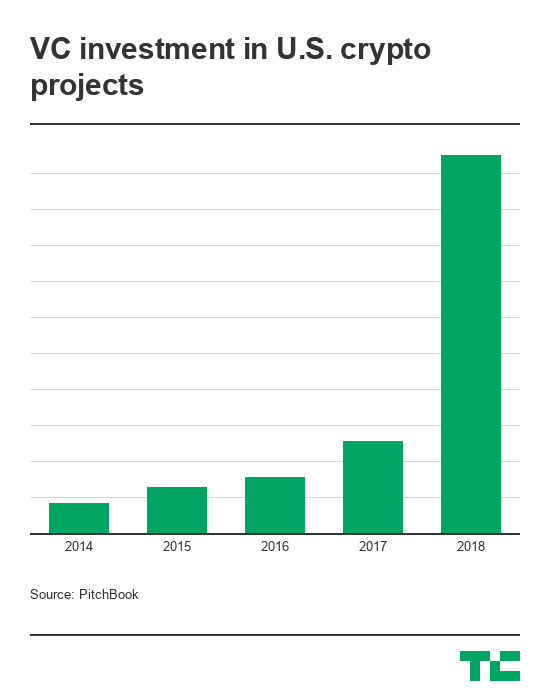


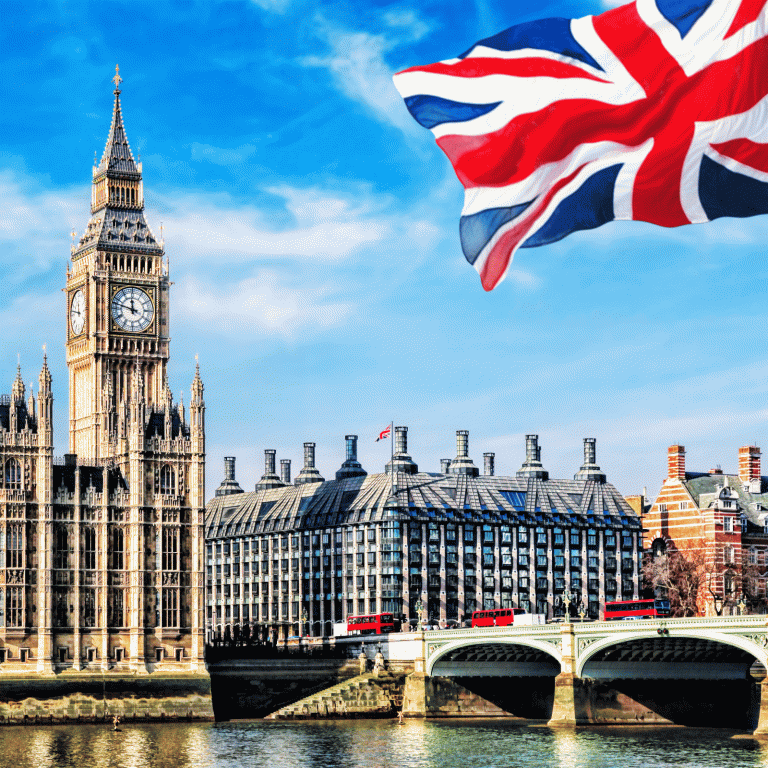
 The U.K.’s FCA has released new information regarding its investigations into crypto businesses to The Telegraph in response to a Freedom of Information (FOI) request. The publication reported on Saturday that the FCA revealed that “as of Nov. 12 it had opened inquiries into 67 firms involved in cryptocurrency businesses.” The Financial Times elaborated:
 Out of 67 inquiries, 49 have been closed. The FCA issued consumer alerts for 39 firms. “Alerts are issued by the regulator when it is concerned a company is operating without authorisation, and is a suspected scam,” the publication described. The other 10 inquiries were closed because the companies involved were either warned that they may need authorization to continue their activities or there was not enough evidence to proceed with the investigation. The regulator declined to name the companies under investigation.
 Following a report by the Treasury Committee published in September stating that “‘Wild West’ crypto-assets should be regulated,” the government earlier this month said that it is ready to give the FCA power to oversee the cryptocurrency industry. The authority will launch a consultation early next year to determine how the crypto market should be regulated.
 Authorities in Iran would interpret any cooperation with Telegram on the issuing of their crypto as “an action against the national security” of the Islamic Republic. That’s according to a recent statement by Javad Javidnia, secretary of the country’s Criminal Content Definition Task Force.
 This past spring, the operator of the messaging service, a company founded by famous Russian entrepreneur Pavel Durov, revealed that Telegram had over 200 million monthly active users around the world. The app has become extremely popular in the global crypto community as well as in jurisdictions with extensive internet censorship regimes.
 The attitude of the Islamic Republic towards cryptocurrencies has changed over time, especially after the Trump administration pulled out of the nuclear deal and reintroduced U.S. sanctions, which among other restrictions limited Iran’s access to the dollar. That’s not to say that Tehran has become really positive about decentralized cryptos such as Bitcoin but, for instance, the country took steps to