#Blockchain South Korea Central Bank Says CBDCs Will Disrupt Financial Integrity

South Korea Central Bank Says CBDCs Will Disrupt Financial Integrity

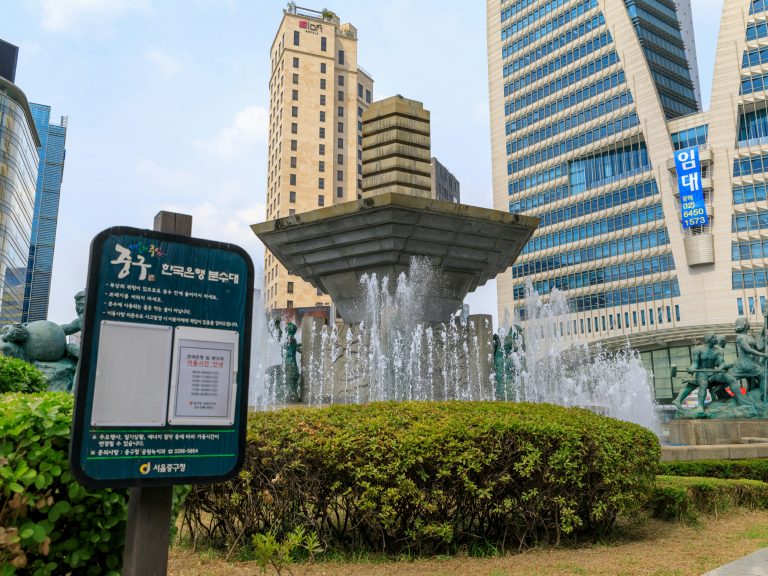
South Korea’s central bank has warned that adopting a state-backed cryptocurrency as an official form of legal tender would threaten the country’s financial integrity. In a report, the Bank of Korea (BoK) said such a currency, also known as a central bank digital currency (CBDC), could result in a spike in interest rates and a liquidity crunch.

Also read: Australian Banks Fraudulently Collected Fees From Deceased Customers

‘CBDCs Will Cause Liquidity Shortages and Interest Rates to Rise’

Built on the blockchain, CBDCs are typically issued by central banks to work just like fiat money, but without necessarily replacing bank notes and coins. Korea said at the end of January that it was not considering issuing a government-backed digital currency anytime soon because there wasn’t any urgent need for one.

Now, the Asian country has issued a report to back up that decision. According to a newspaper article published in the Korea Times on Feb. 7, the BoK explained that the introduction of a CBDC will replace demand deposits held by local commercial banks. That’s because people will likely prefer the state-sponsored cryptocurrency, which they may deem safer and secure, to the domestic fiat unit, it said.

South Korea Central Bank Says CBDCs Will Disrupt Financial Integrity

The idea behind this thinking is that as depositors withdraw money from the bank, commercial banks will fall into a liquidity trap, forcing the money supply to drop. This will ultimately see interest shooting up.

Kwon Oh-ik, one of the co-authors of the Bank of Korea report, elaborated:

The central bank digital currency is a kind of a BoK-issued bank account. People trust it more than one in a commercial bank. Demand deposits are one of the biggest sources of loans for banks. When people pull out their money, banks raise rates, or lower the reserve ratio, to secure more funds.

Kwon further indicated that the BoK, which has conducted and recently completed a long-term study on cryptocurrencies, should be more cautious and analyze any negative consequences that could arise from the issuance of a CBDC.

Global Central Banks Show Interest in CBDCs

Cashless transactions have soared around the world in recent years, unsettling many of the control freaks who work for various governments. Bitcoin, for example, was created to challenge the conventional financial system and return the ownership of money to the people, beyond the reach of the state.

But this vision has not endeared it to global financial gurus who are steeped in tradition. Unsurprisingly, many national governments have raised concerns about cryptocurrencies and have called for tighter regulation while angling to issue their own versions of centralized digital currencies.

A recent report by the Bank for International Settlements showed about 70 percent of central banks throughout the world are researching CBDCs, although “this work is primarily conceptual and only a few intend to issue a CBDC in the short to medium term”.
South Korea Central Bank Says CBDCs Will Disrupt Financial Integrity
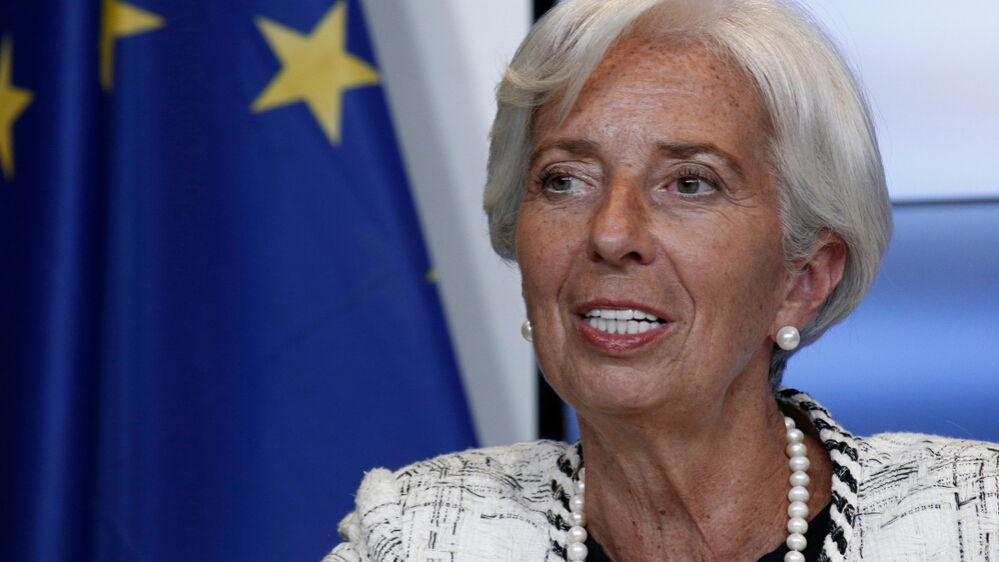
Christine Lagarde

However, the International Monetary Fund’s head Christine Lagarde has urged central banks to consider issuing digital currency to make transactions more secure. At a conference in Singapore in November, Lagarde argued that state-backed cryptocurrencies could satisfy public policy goals related to financial inclusion, consumer protection, privacy and fraud prevention.

“I believe we should consider the possibility to issue digital currency,” Lagarde said at the time. “There may be a role for the state to supply money to the digital economy. The advantage is clear. Your payment would be immediate, safe, cheap and potentially semi-anonymous. And central banks would retain a sure footing in payments.”

Citing the example of central banks in Canada, China, Sweden and Uruguay, which are all “seriously considering” the introduction of their own digital currencies, Lagarde said a state-issued cryptocurrency would be a liability of the state, just like fiat money. Such currencies could reduce the cost of transactions while maximizing security and spreading adoption, but they would not be censorship-resistant cryptocurrency in the true sense.

What do you think about CBDCs and financial stability? Let us know in the comments section below.


Images courtesy of Shutterstock.


Express yourself freely at Bitcoin.com’s user forums. We don’t censor on political grounds. Check forum.Bitcoin.com

The post South Korea Central Bank Says CBDCs Will Disrupt Financial Integrity appeared first on Bitcoin News.

from Bitcoin News http://bit.ly/2UKUban South Korea Central Bank Says CBDCs Will Disrupt Financial Integrity
#Blockchain The Daily: 13% of Shoppers Would Buy Amazon Crypto, Wirex Adds Stablecoin

The Daily: 13% of Shoppers Would Buy Amazon Crypto, Wirex Adds Stablecoin

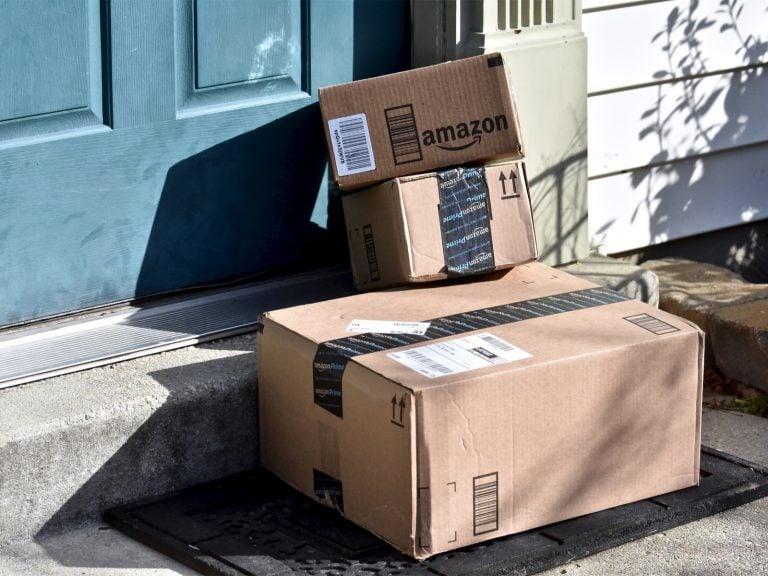
In Thursday’s edition of The Daily we feature a recent survey that shows 13 percent of shoppers would be happy to buy cryptocurrencies under the Amazon brand. We also cover a new stablecoin integration by crypto card provider Wirex and a token promoted on Coinbase Earn.

Also Read: Abra Adds Stocks and ETF Investing to Its Crypto Exchange App

Survey: 13% of Shoppers Would Buy Amazon Crypto

Online commerce giant Amazon (NASDAQ: AMZN) has one of the strongest brands in the world. What started out as just an online bookstore has become almost a force of nature, taking over entire industries. The company also enjoys a great deal of trust with consumers, especially in the U.S. market where some people allow Amazon to unlock their front doors to make in-home delivery (Amazon Key), install its AI-powered listening devices (Alexa) and even to run the cloud computing systems of the CIA.

It would be fair to say that Amazon is more trusted and liked than most banks. Given this fact, it is not surprising that a good portion of its customers would also trust Amazon with their digital finance needs. A recent survey of over 1,000 Amazon clients by the financial portal Investing.com found that 12.7 percent of them would feel comfortable purchasing cryptocurrencies under the Amazon brand. This could be assumed to be anything from an integrated cryptocurrency wallet to an Amazon-issued token.

The Daily: 13% of Shoppers Would Buy Amazon Crypto, Wirex Adds Stablecoin

Wirex Adds First Stablecoin

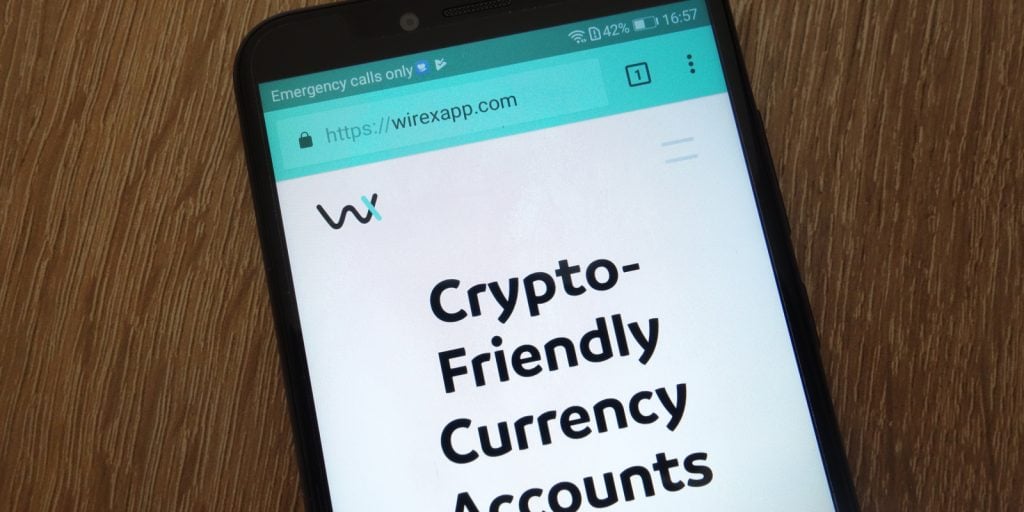
Popular online bank and crypto debit card issuer Wirex has added a first stablecoin to its list of supported cryptocurrencies. Users of the Wirex platform in the European Economic Area (EEA) can now buy, store, convert and spend dai (DAI) with their Wirex Visa cards, the U.K.-based company announced in a recent blog post. This is the seventh token made available for Wirex users as the service already supports bitcoin core (BTC), litecoin (LTC), ripple (XRP), ether (ETH), waves (WAVES) and wollo (WLO).

The Daily: 13% of Shoppers Would Buy Amazon Crypto, Wirex Adds Stablecoin

“We want to give our customers access to a full array of cryptocurrencies. Stablecoins are yet another variation of crypto that demonstrates how easily and efficiently it can be integrated into everyday life,” commented Wirex co-founder Pavel Matveev. His co-founder Dmitry Lazarichev added: “Dai is an excellent tool to make international payments at low costs without the volatility. The token feeds into our ethos of enabling mainstream crypto adoption by streamlining traditional and cryptocurrencies. Dai is a solid addition to our existing cryptocurrency portfolio.”

Coinbase Takes a Swing With BAT

Back in December, Coinbase announced an initiative meant to incentive people to learn more about cryptocurrencies. The Coinbase Earn educational platform rewards users with tokens for completing various tasks such as watching videos and taking quizzes on crypto-related content. On Wednesday a section on Basic Attention Token (BAT) was added to the service, offering users the opportunity earn up to $10 worth of BAT in the process of learning about it.

The Coinbase Earn team explained to those new to BAT that “Basic Attention Token seeks to improve the efficiency of digital advertising with a token that can be exchanged between publishers, advertisers, and users on the Ethereum blockchain. The token can be used to obtain a variety of advertising and attention-based services on the BAT platform and the Brave browser.” The token quickly jumped over 10 percent in price, offering a valuable lesson in the power of Coinbase to move the market.

What do you think about today’s news tidbits? Share your thoughts in the comments section below.


Images courtesy of Shutterstock, Investing.com.


Verify and track bitcoin cash transactions on our BCH Block Explorer, the best of its kind anywhere in the world. Also, keep up with your holdings, BCH and other coins, on our market charts at Satoshi’s Pulse, another original and free service from Bitcoin.com.

The post The Daily: 13% of Shoppers Would Buy Amazon Crypto, Wirex Adds Stablecoin appeared first on Bitcoin News.

from Bitcoin News http://bit.ly/2UINrdd The Daily: 13% of Shoppers Would Buy Amazon Crypto, Wirex Adds Stablecoin

#Blockchain A Millennial and Crypto Love Story: How This Generation Is Ghosting Banks

America’s youth has long been in a bad relationship with banks. Their predatory, self-serving practices have left a bad taste in the mouths of many young consumers, who have historically acclimated and resigned themselves to the system as they aged. Millennials have been accused of killing almost every industry, from golf to napkins, but now they’re on the cusp of the biggest breakup yet – with banks. Millennials might finally be the generation to leave their deadbeat ex and have the passion and optimism to envision a new way of doing things financially.

Also read: The Crucible of Privacy: Why Decentralized Exchange Is the Only Way

Breaking up With Banks

During the 2008 financial collapse, the Fed had to lower interest rates to 0 percent, right around when millennials were graduating from college (in debt from bank loans) and trying to build up their finances. Millennials could barely earn interest on their deposits, while banks continued to use those same deposits to charge consumers 25 percent interest on credit cards and keep over 90 percent of the value to themselves. Bank executives have had record earnings and bonuses since 2009, while most Americans struggle to finish the month in the green.

This is a completely one-sided relationship, with millennials giving and banks taking. Besides, healthy relationships are based on trust, and millennials just don’t trust banks. According to a 2018 study by Edelman, 77 percent of affluent millennials feel the traditional financial system is “designed to favor the rich and powerful.” 75 percent worry about the global financial system being hacked and losing their personal information, and 77 percent think it’s a matter of time before finance’s “bad behavior” leads to “another global financial crisis.”

So banks are bad news, and they don’t even pretend not to be. 70 percent of affluent millennials feel that financial service companies “make the purchasing process unnecessarily confusing/frustrating” and 71 percent say these companies leave them feeling “unsure” and “out of their depth.” This is a recipe for an unstable, manipulative relationship. Luckily, millennials have the sense to realize that and pull the plug.

The millennial disruption index slates banking as the most ripe industry for disruption, and reports that 71 percent of millennials would rather go to the dentist than “listen to what their banks have to say.”

The dentist!

The index also reports that all four of the leading banks are among the 10 brands millennials love least.

On top of all of that, banks have historically proved to be ageist, racist, and classist institutions that disfavor minorities in lending practices, fail to provide services to minority neighborhoods, and provide predatory rates to populations most in need. This is no pesky lovers’ quarrel. This is a breakup.

The Cryptocurrency Crush

Luckily, cryptocurrency is waiting to be that shoulder for millennials when banks break their hearts … and their wallets. It didn’t take long for millennials to notice – 17.2 percent of millennials own crypto already. And that number is higher for wealthy millennials: According to Edelman’s study, 25 percent of wealthy millennials own cryptocurrencies, a further 31 percent are interested in crypto, and a whopping 74 percent say technical innovations like blockchain make the global financial system more secure.

Crypto might have started out as the nerdy rebound, but it’s quickly prompting the friend-zoning of its jockey, broad-shouldered big name competitor banks. A Sustany Capital study found that 88 percent of millennials “want to own cryptocurrencies as an investment,” and 42 percent want to “use cryptocurrency as savings.”

The interest is there; we just need some good reliable friends to play matchmaker. Many millennials feel held back from diving into crypto only because of lack of education, but 97 percent of surveyed millennials and generation X said they’d like to learn more.  73 percent of millennials would be significantly more likely to invest in crypto if advised by a financial adviser. Crypto just needs a few good wingmen to help people understand how useful, safe, and fair it really is.

A Romance Built on Values

Lots of people are saying that crypto is a passing fad, like that time you were really into the double-popped collar look, especially as the market has declined in the last few months. But recent reporting by Bloomberg shows that although the price of bitcoin dropped by 80 percent during 2018, the total number of accounts opened has doubled to over 35 million during that same period, indicating that crypto’s popularity is just getting started.

Relationships that last through tough times are based on more than just attraction or novelty, but on deeper shared values. Crypto makes practical, financial sense for millennials: there are lower fees for using and transferring it since there are no middlemen involved, blockchain keeps a consistent and incorruptible record that means bankers can’t steal their money, and it’s impersonal, so there are no worries about discrimination based on previous student loans or social status. More than that, crypto also makes sense in principle to a generation that is moving away from exploitative business practices and buying with their consciences.

Values persist regardless of market highs and lows, as Charles Hoskinson, founder of Cardano, recently tweeted: “The headlines and carnival barking from the media about the current state of Bitcoin and recent losses show they have never gotten our movement. $150 billion in value has been liberated from the banking system and now exists in a parallel economy. Our growth remains unchallenged.” It’s about liberating the economy from the banking system, and that is true in bear and bull markets alike.

Millennials are looking for a new generation of services that will act in their best interest and help society in general by supporting the unbanked and under served. Crypto is the perfect mix of practical and passionate, paying the bills and fighting for a cause. For a generation toeing this balance like never before, crypto is a keeper – one that you can hopefully bring home to mom and dad.

Do you think millennials are breaking up with the banks? What will it take to help millennials get more involved in crypto? Will all generations begin to accept and adopt crypto? 


Images courtesy of Shutterstock


OP-ed disclaimer: This is an Op-ed article. The opinions expressed in this article are the author’s own. Bitcoin.com does not endorse nor support views, opinions or conclusions drawn in this post. Bitcoin.com is not responsible for or liable for any content, accuracy or quality within the Op-ed article. Readers should do their own due diligence before taking any actions related to the content. Bitcoin.com is not responsible, directly or indirectly, for any damage or loss caused or alleged to be caused by or in connection with the use of or reliance on any information in this Op-ed article.


This article was written by Alex Mashinsky. He is CEO of Celsius Network. He is one of the inventors of VOIP (Voice Over Internet Protocol) and is now working on MOIP (Money Over Internet Protocol) technology. Over 35 patents have been issued to Alex, relating to exchanges, VOIP protocols, messaging and communication. As a serial entrepreneur and founder of seven New York City-based startups, Alex has raised more than $1 billion and exited over $3 billion. Alex founded two of New York City’s top 10 venture-backed exits since 2000. Alex has received numerous awards for innovation, including being nominated twice by E&Y as entrepreneur of the year; Crain’s 2010 Top Entrepreneur; the prestigious 2000 Albert Einstein Technology medal; and the Technology Foresight Award for Innovation.

The post A Millennial and Crypto Love Story: How This Generation Is Ghosting Banks appeared first on Bitcoin News.

from Bitcoin News http://bit.ly/2DhoD4K A Millennial and Crypto Love Story: How This Generation Is Ghosting Banks

#Blockchain Abra Adds Stocks and ETF Investing to Its Cryptocurrency Exchange App

Crypto Wallet and Exchange App Abra Adds Stocks and ETF Investing

Abra has decided to add access to collateralized equities investing. This means that users of the exchange and wallet app in 155 countries will be able to trade on popular U.S. stocks and commodities like gold and even use cryptocurrency to do so.

Also Read: The Daily: F1 Team Gets Crypto Sponsor, Dubai Royal Partners Digital Assets Fund

Invest in US Stocks, Gold and ETFs With Crypto

Abra, a cryptocurrency wallet app and exchange with native support for bitcoin cash, has announced that is set to offer its global users the opportunity to invest in stocks, commodities and ETFs, all within the app. The service is going to start with popular U.S. stocks and ETFs and the company also promises to add more global assets in the coming months.

Abra Adds Stocks and ETF Investing to Its Cryptocurrency Exchange App

“Many consumers in the US and other countries already have access to stocks and mutual funds via online brokerages. However, many people (billions actually) are shut out of these investment opportunities due to their geography, financial status or lack of accredited investor status, income level, or lack of trust for their local financial institutions. That’s why Abra is leveling the playing field for everyone,” stated CEO Bill Barhydt. “At Abra, we already have low-income families in the Philippines and rich venture capitalists in the US using our app to invest in cryptocurrencies. Now we’re giving our customers access to the same investment products that everyone in the US has enjoyed for decades.”

Powered by Crypto-Collateralized Contracts

Abra explains that it is able to offer this by using the same “crypto collateralized contract model” that the company deploys for digital assets. Crypto-collateralized contracts allow an investor to gain exposure to any asset by using cryptocurrency as the underlying technology for the investment. When a trader buys such an instrument, they are effectively creating a smart contract which automatically determines whether they have made or lost money based on the price of the underlying asset.

This model also means that the company needs to take the chance that the trade goes against it. “Simply put, Abra is taking that risk,” said Barhydt. “However, Abra hedges away our risk on these contracts in the open market at the moment the consumer creates the investment. Abra has already successfully processed hundreds of millions of dollars worth of these investment contracts and has never lost money on them.”

What do you thunk about the Abra app adding stocks and ETF investing? Share your thoughts in the comments section below.


Images courtesy of Shutterstock.


Verify and track bitcoin cash transactions on our BCH Block Explorer, the best of its kind anywhere in the world. Also, keep up with your holdings, BCH and other coins, on our market charts at Satoshi’s Pulse, another original and free service from Bitcoin.com.

The post Abra Adds Stocks and ETF Investing to Its Cryptocurrency Exchange App appeared first on Bitcoin News.

from Bitcoin News http://bit.ly/2Sfyd2J Abra Adds Stocks and ETF Investing to Its Cryptocurrency Exchange App

#Blockchain Zcash Bug Demonstrates the Difficulty of Auditing Complex Cryptocurrencies

Zcash Bug Demonstrates the Difficulty of Auditing Complex Cryptocurrencies

A recent counterfeiting bug in Zcash demonstrates that the added functionality of so-called second generation blockchains comes at a price. The vulnerability, which existed for years before being patched in October, could have been exploited to generate additional coins. As every major cryptocurrency since Bitcoin has demonstrated, added complexity corresponds with lower security.

Also read: Australian Banks Fraudulently Collected Fees From Deceased Customers

Zcash Vulnerability Lay Undiscovered for Years

On Feb. 5, the Zcash team shared a blog post acknowledging the existence of a bug that had been in place since the privacy coin launched. Discovering its existence would have called for “a high level of technical and cryptographic sophistication that very few people possess,” claimed Zcash developers. While likely true, this admission has provided little comfort to zcash holders, and doesn’t augur well for any future bugs that have yet to be discovered. It stands to reason that any elementary exploits in the protocol will have long since been identified. As such, any critical Zcash bug to surface at this stage can be assumed to require sophisticated knowledge to pinpoint.

Common sense holds that the less moving parts a device has, the less there is to go wrong. The same concept applies to cryptocurrencies. With the addition of enhanced features such as smart contracts and complex privacy tech like zk-snarks, code becomes harder to audit, and it can be virtually impossible to determine whether vulnerabilities have been exploited. Bitcoin Core is not immune to vulnerabilities, with a bug that had lain undiscovered since 2016 only identified and patched last year. The relative simplicity of Bitcoin’s design, however, means it has less possible attack vectors, having survived a decade of adversarial probing by governments, research groups, and hackers.

Mixed Reactions to Zcash Response

Zcash Bug Demonstrates the Difficulty of Auditing Complex CryptocurrenciesThe disclosure of the vulnerability was greeted with a mixed response. Edward Snowden, who has previously signaled his support for the privacy coin, praised its well-funded developer team who are able to patch bugs of this nature before they are exploited. Others, however, including Monero’s Riccardo Spagni and cryptographer Peter Todd, pointed out the disingenuousness of Zcash claiming the bug was unlikely to have been exploited simply because it would have required high-level knowledge.

“Although we believe that no counterfeiting occurred, we are monitoring pool totals and will act in accordance with our published defense against counterfeiting in an effort to preserve the monetary supply,” noted the Zcash team. Zcash is trading at $46 per coin at the time of publication, down almost 5 percent from 24 hours ago, when the bug was publicly disclosed.

What are your thoughts on how the Zcash team responded to the vulnerability in the privacy coin’s protocol? Let us know in the comments section below.


Images courtesy of Shutterstock.


Need to calculate your bitcoin holdings? Check our tools section.

The post Zcash Bug Demonstrates the Difficulty of Auditing Complex Cryptocurrencies appeared first on Bitcoin News.

from Bitcoin News http://bit.ly/2TBZ9Gf Zcash Bug Demonstrates the Difficulty of Auditing Complex Cryptocurrencies

#Blockchain BCH-Powered Paybutton Launches in Pre-Release

Developer Launches Pre-Release of BCH-Powered Paybutton

On Tuesday, Feb. 5, the well known Bitcoin Cash (BCH) advocate Soupernerd announced the pre-release and testing phase of a new BCH-powered payment button. At the moment the Paybutton.cash application will feature a simple payment button but there are plans to integrate other features down the line.

Also read: Markets Update: Traders Patiently Wait for Crypto’s Longest Bear Run to End

Paybutton Developer Launches Pre-Release and Announces Testing Phase

There’s a new payment button called Paybutton.cash that allows people to easily send and tip bitcoin cash to content creators, services, and websites. The full release of the application is not complete yet but the developer known as Soupernerd has announced the pre-release and testing phase. Soupernerd says the Paybutton team is currently waiting for Badger Wallet updates before activating that as a payment option and there is more to be tested.

“Paybutton.cash is pleased to announce our pre-release launch and testing phase,” explained Soupernerd on the Reddit forum r/btc. “Host a paybutton on your site with just snippet of code and convert 160+ currencies to BCH live — [Paybutton] is fully hosted on Github.”

BCH-Powered Paybutton Launches in Pre-Release
The Paybutton.cash website.

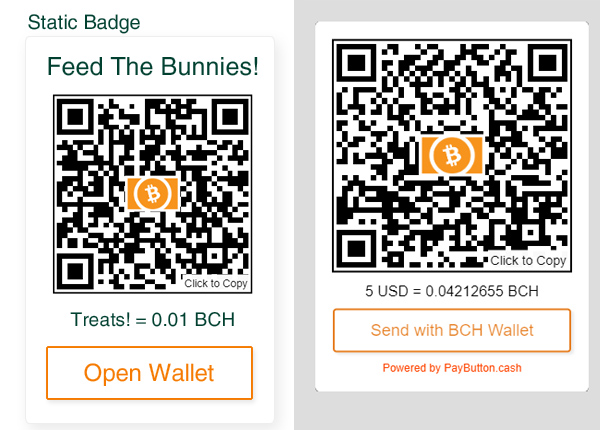
The Paybutton creator explains that a lot of credit goes to the Bitcoin.com and Badger Wallet development teams for making the platform possible. Moreover, Soupernerd says the Paybutton developers have a few more ideas in mind that go beyond just a simple payment button. On the r/btc thread, Soupernerd describes a static badge concept which could be placed next to the BCH Zoo. Further, the creator shows images of a donation badge and mentions a concept called “Paybutton Carts.” “More on that later,” says Soupernerd. “We will keep the pre-release folders up, even upon new releases until further notice.”

BCH-Powered Paybutton Launches in Pre-Release
The creator of Paybutton, ‘Soupernerd,’ is well known in the BCH community.

Other BCH-Powered Button Applications in the Works

The Paybutton platform joins two other BCH payment button applications that are also in early development stages. The applications started spawning after Ryan X Charles removed bitcoin cash support from his Money Button project and decided to support the coin BSV. Following the Money Button departure, the team behind Badger Wallet has been working on refining a BCH payment button. Another competitor to the Money Button is the bitcoin cash payment API and button provided by Gateway.cash.

“Gateway.cash will be a Money Button competitor for bitcoin cash and is now released open-source — The project is led by Ty Everett and he is looking for contributors,” the Gateway.cash developer explained on Nov. 19.

BCH-Powered Paybutton Launches in Pre-Release
Examples of the current modal pop-up button and a preview of the static badge.

Giving Incentives to Website Hosts, Blogs and Content Creators Even if They Can’t Code

Soupernerd’s announcement on r/btc was welcomed with enthusiasm as BCH supporters are looking forward to a variety of crypto-fueled payment buttons. One BCH supporter proceeded to outline their vision of how payment buttons can transform the web.

BCH-Powered Paybutton Launches in Pre-Release
Paybutton’s donation widget preview.

“Looks cool. For those that don’t get the significance it allows anyone without programming skills to more easily accept BCH — For example, tons of people have blogs or various other web presences where they can post raw HTML for visitors to see,” the Redditor emphasized. He continued:

Without coding skills, if Rick wants to take $1.50 donations for his blog posts he can at best post his BCH address.

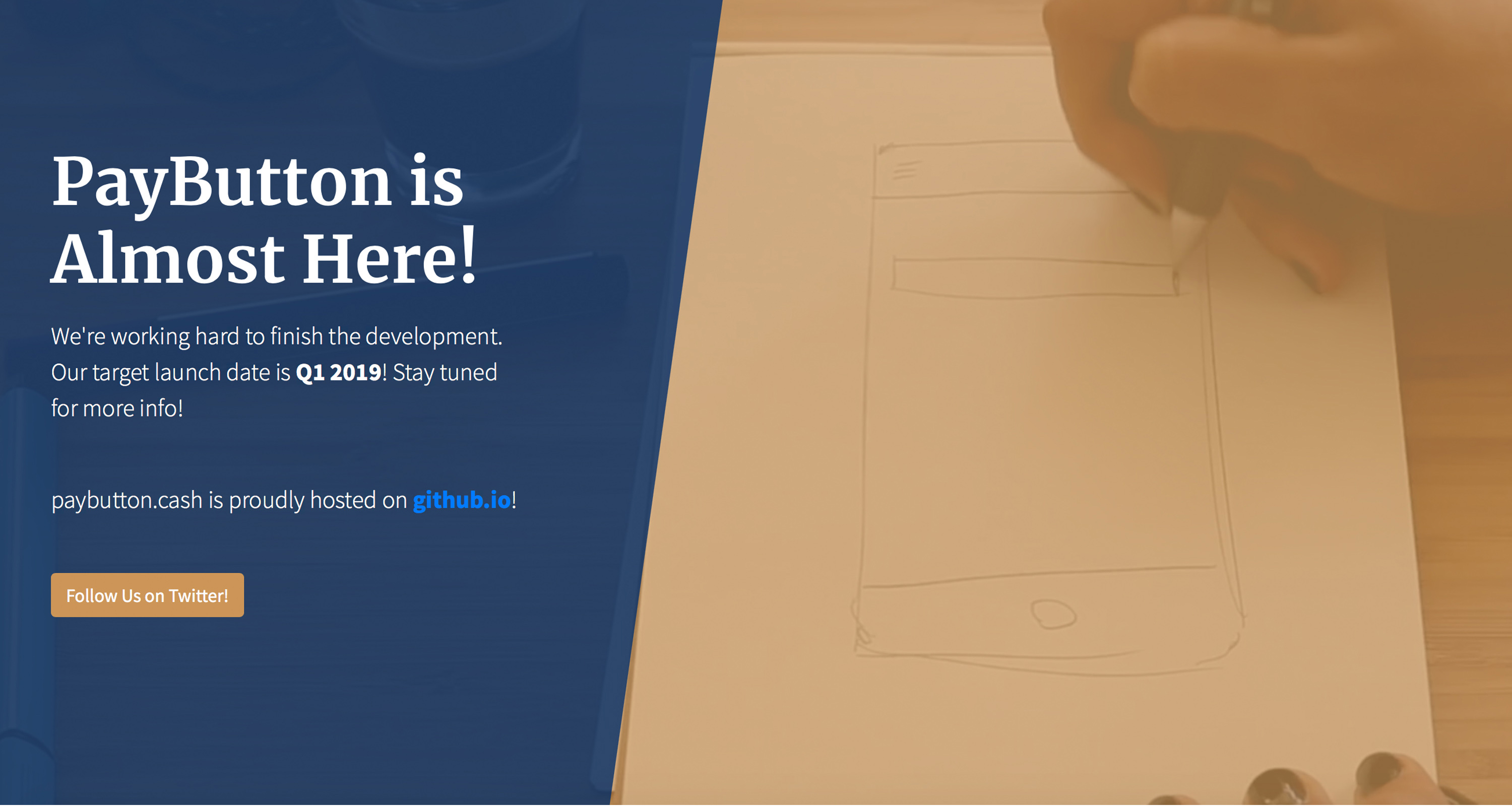
Soupernerd’s Paybutton code can be reviewed here, and a description of some of the HTML codes can be seen here. People can test the Paybutton with the pre-release page and wait until the full release is complete. “We’re working hard to finish the development and our target launch date is Q1 2019,” states the Paybutton website.

What do you think about Paybutton.cash? Let us know what you think about this project in the comments section below.


Image credits: Shutterstock, Twitter, Reddit, and Paybutton.cash. 


Need to calculate your bitcoin holdings? Check our tools section.

The post BCH-Powered Paybutton Launches in Pre-Release appeared first on Bitcoin News.

from Bitcoin News http://bit.ly/2HUJmRJ BCH-Powered Paybutton Launches in Pre-Release

#Blockchain Yellow Vest Movement Starts a New Form of Protest – Burning Banknotes

Yellow Vest Movement Starts a New Form of Protest — Burning Banknotes

For well over two months, the yellow vest movement in France has continued to keep itself illuminated with fervent protests against taxes, the banking system, and the region’s bureaucrats. On Feb. 1, a group of Gilets Jaunes working at the bill printing factory explained their plan to show the world they mean business by burning pallets of bills, starting with Israeli banknotes.

Also Read: Embracing Utility in 2019: Unreliable Crypto Networks Will Lose to Hyperbitcoinization

Yellow Vests Burn Stock of Foreign Bills

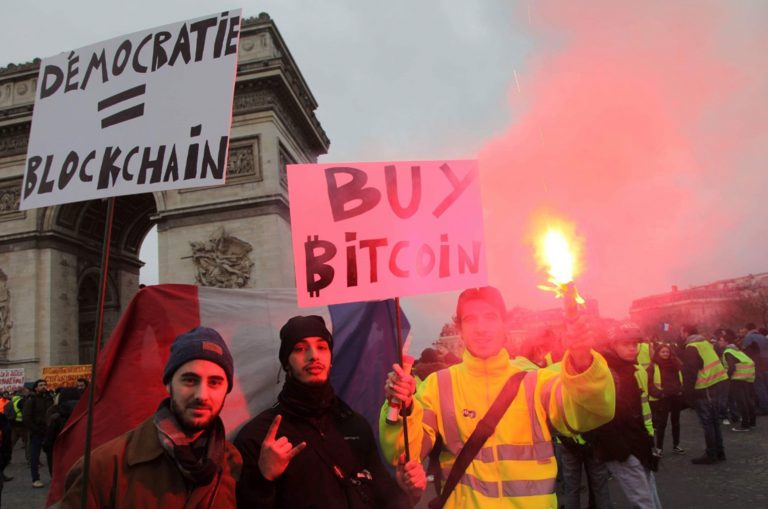
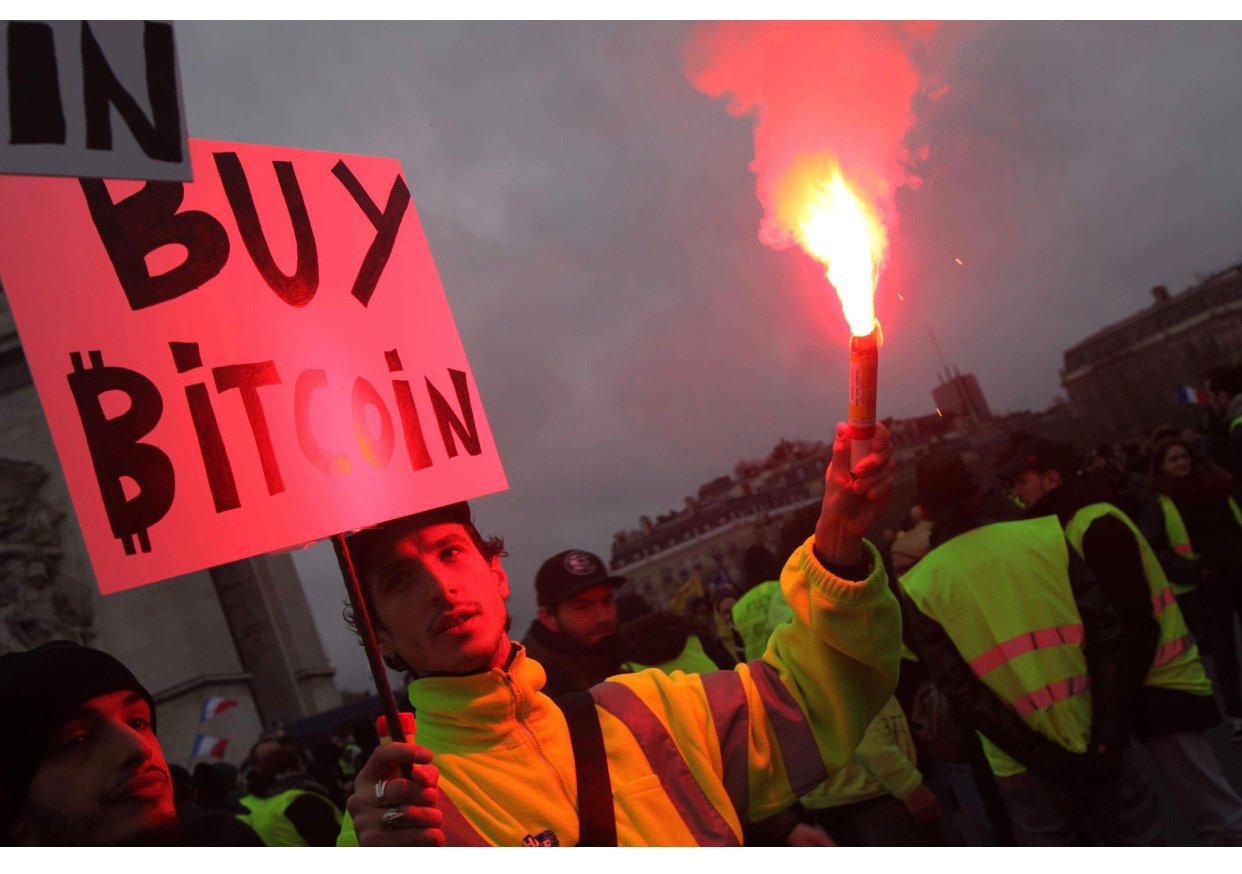
The grassroots yellow vest movement in France has consistently made headlines across the world while protesting the country’s monetary system and politics. For instance, on Tuesday, Feb. 5, about 18,000 Gilets Jaunes joined a march in the French capital walking side by side with another 12,000 CGT union workers. The protest also followed a demonstration on Friday, which showed employees claiming to work for the Banque de France banknote mill. The yellow vest associated group threatened to burn large sums of paper banknotes. A news.Bitcoin.com correspondent from France explained how the bill burners are demanding fiscal and social justice in a unique fashion.

Yellow Vest Movement Starts a New Form of Protest — Burning Banknotes

“In the last 15 days we’ve burned passport paper, bank check paper, and grey card paper for vehicle documents,” explains the banknote burning group’s video on Facebook. “But the French government is completely deaf, so we move to the next level — If the French government continues to make it seem as nothing scandalous is happening, we will make this so all the world will know what’s happening.”

Starting today we start to burn foreign bills stock — The first paper ream we have here is for Israeli banknotes. We start with this, then we burn everything — If the French government doesn’t change, all foreign countries that are waiting for their bills, will not be delivered.

Hyperbitcoinization

News.Bitcoin.com has covered the yellow vest movement in the past and how many well-known bitcoiners have explained that Gilets Jaunes should really hit the banks where it hurts by moving from fiat to bitcoin. At the same time, the world economy has been shuddering once again and economists are predicting another global depression similar to 2008. Many regions like Venezuela, South Sudan, Turkey, Haiti, Zimbabwe and Argentina are suffering from economic hardships.

Yellow Vest Movement Starts a New Form of Protest — Burning Banknotes
“If every French person converted 20% of their bank deposits into bitcoin, French banks would collapse and a lot of bloodshed could be avoided,” said Max Keiser on Dec. 9, 2018. 

The economic uncertainty worldwide has bolstered the dream of hyperbitcoinization. Many have written about this dream and believe that cryptocurrencies like bitcoin will experience mass attention from a majority of citizens living in impoverished countries. The cofounder of the Satoshi Nakamoto Institute, Daniel Krawisz, once said: “A hyperbitcoinization event will be much quicker than a hyperinflation event.” Krawisz’s 2014 essay details how a country dealing with hyperbitcoinization will experience a voluntary transition from an inferior currency to a superior one. The country’s adoption represents a “series of individual acts of entrepreneurship rather than a single monopolist that games the system.”

Hyperbitcoinization should be accompanied by a rapid improvement in productivity and wealth — Hyperbitcoinization will probably be a confusing time for everyone, like a second adolescence. However, once it is over, no one will be able to imagine how we got by with the earlier system.

Yellow Vest Movement Starts a New Form of Protest — Burning Banknotes
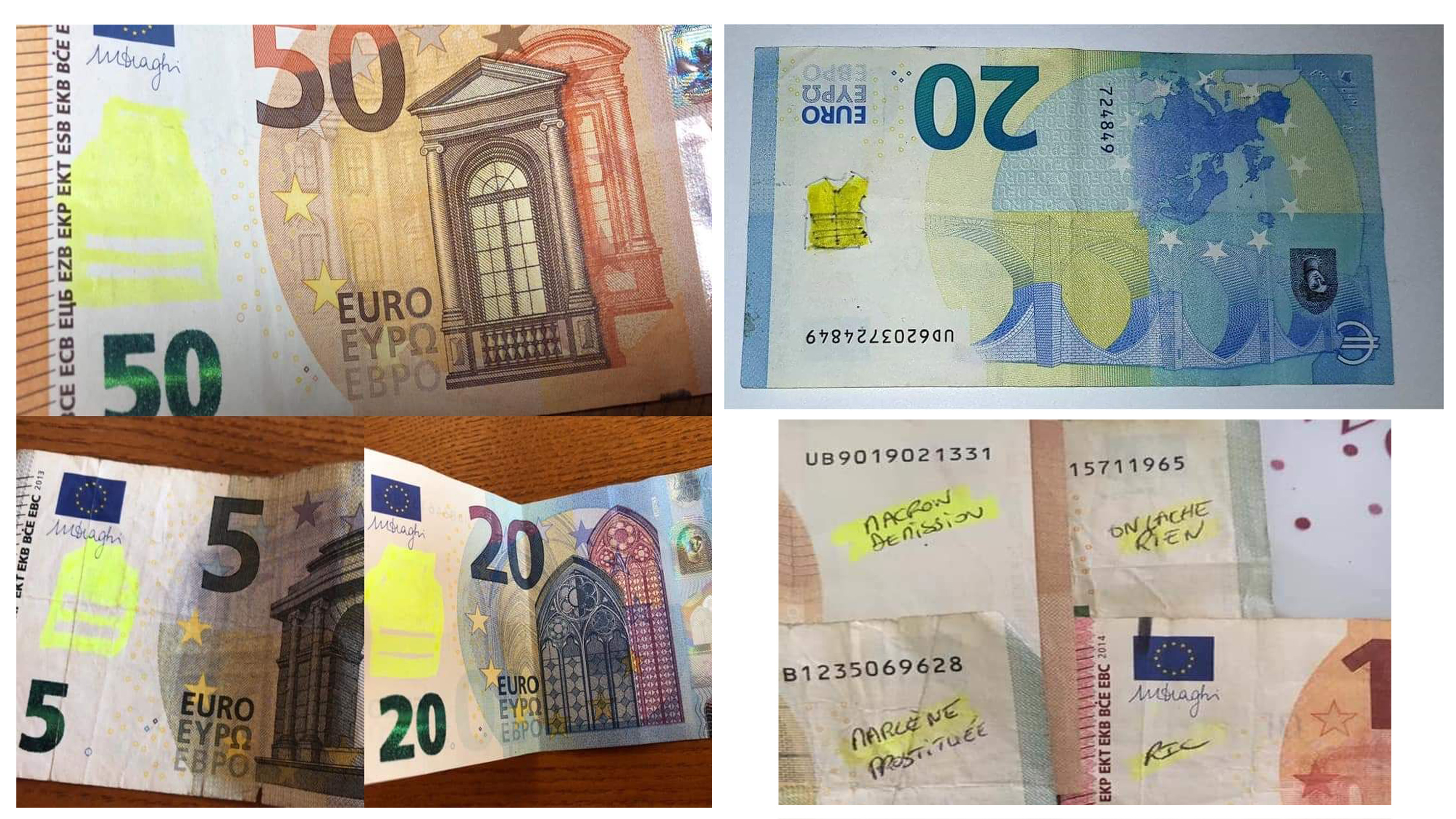
Banknotes stamped by the yellow vest movement.

A Loss of Confidence in the System Has Given Birth to Many Movements

The yellow vest movement is similar to the Occupy Wall Street movement that took place seven years ago and the birth of Bitcoin four years prior. Global citizens are upset with their leaders and losing confidence in the central bank’s paper bills which are printed by the trillions every year. People from all countries and continents are upset with the system and believe something has got to give. Our correspondent from France told news.Bitcoin.com that most individuals don’t wear yellow vests these days because if you take the train “to go to Paris and they check if you have a yellow vest then they can arrest you.” Not only are the protestors in France threatening to burn large stacks of bills, but they are also now printing special images of yellow vests on banknotes.

What do you think about the yellow vest movement threatening to burn pallets of banknotes? Let us know what you think about this subject in the comments section below.


Images via Pixabay, Shutterstock, and our correspondent from France. 


Verify and track bitcoin cash transactions on our BCH Block Explorer, the best of its kind anywhere in the world. Also, keep up with your holdings, BCH and other coins, on our market charts at Satoshi’s Pulse, another original and free service from Bitcoin.com.

The post Yellow Vest Movement Starts a New Form of Protest – Burning Banknotes appeared first on Bitcoin News.

from Bitcoin News http://bit.ly/2UKeSTP Yellow Vest Movement Starts a New Form of Protest – Burning Banknotes

#Blockchain Scandinavians Can Now Buy Cryptocurrency Within the Opera Mobile Browser

Scandinavians Can Now Buy Cryptocurrency Within the Opera Mobile Browser

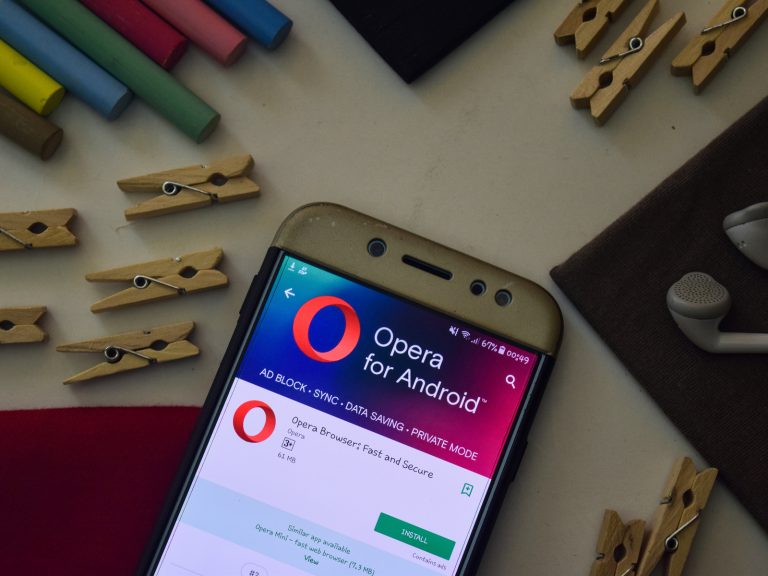
Opera Ltd (NASDAQ: OPRA), the Norway-headquartered company behind the web browsers used by over 320 million people, now lets users buy cryptocurrency directly within its mobile app. This service is being rolled out in Scandinavia first due to a local partnership.

Also Read: The Daily: F1 Team Gets Crypto Sponsor, Dubai Royal Invests in Digital Assets Fund

Buy Crypto on Opera for Android

The Norwegian browser-maker Opera has announced that its mobile browser, Opera for Android, will enable users to buy cryptocurrencies directly on their smartphones. The app now features a digital wallet top up option via an integration with Sweden’s online cryptocurrency brokerage Safello. The feature is being rolled out in Scandinavia first, and said to be already available in Sweden, Norway and Denmark.

Scandinavians Can Now Buy Cryptocurrency Within the Opera Mobile Browser
Aurora Borealis in Norway

“We think that the next important phase for crypto will come from usage and that for it to reach wider adoption, it has to be easy to buy and easy to use,” said Charles Hamel, Product Lead for Crypto at Opera. ”We believe that the browser will be the entry point for these use cases. Thanks to our partnership with Safello, we are taking one more step towards this vision.”

Crypto at Your Fingertips

Founded in 2013 in Sweden, Safello is regulated as a financial institution and registered with the Financial Supervisory Authority of Sweden. The solution includes verifying users’ identities using Norway’s Bankid and Denmark’s Nemid services. The online brokerage focuses on speed and ease of use, promising that the process of buying cryptocurrency with Safello takes less than a minute. Users also have the option to make payments with credit and debit cards and transfers over local payment networks, such as Swish in Sweden.

Frank Schuil, CEO of Safello, said: “With Safello brokerage on the Opera mobile browser for Android, both new and experienced users can now easily transact cryptocurrencies in the most secure and fastest way possible. The functionality to purchase crypto is right at their fingertips.”

To test the new crypto wallet top up feature in Opera for Android, users in Sweden, Norway and Denmark can download the app from Google Play store.

What do you think about the Opera browser letting users buy cryptocurrency directly from the app? Share your thoughts in the comments section below.


Images courtesy of Shutterstock.


Verify and track bitcoin cash transactions on our BCH Block Explorer, the best of its kind anywhere in the world. Also, keep up with your holdings, BCH and other coins, on our market charts at Satoshi’s Pulse, another original and free service from Bitcoin.com.

The post Scandinavians Can Now Buy Cryptocurrency Within the Opera Mobile Browser appeared first on Bitcoin News.

from Bitcoin News http://bit.ly/2HVQNIk Scandinavians Can Now Buy Cryptocurrency Within the Opera Mobile Browser

#Blockchain Singaporean and Eastern European P2P Markets Post Record BTC Volume

Singaporean and Eastern European P2P Markets Post Record Volume

Several markets have seen spikes in peer-to-peer (P2P) volume, with the Kazakh and Singaporean Localbitcoins markets posting their second strongest weeks on record. Polish P2P trade also increased this past week, with volume reaching a 14-month high.

Also Read: Leaked Documents Suggest Mt. Gox Trustee’s Bitcoin Sales Impacted Market Prices

Singaporean P2P Trade Sees Spike

The current BTC price action appears to have driven an uptick in Localbitcoins trade volume across diverse markets, with many traders likely preparing for the various scenarios that may play out as BTC tests support near the low of 2018’s bear market.

Singapore’s P2P market was among those to see a significant spike in volume this past week, with approximately 145 BTC changing hands on Localbitcoins during the week of Feb. 2.

Singaporean and Eastern European P2P Markets Post Record BTC Volume

When measured in fiat currency, the week comprised the strongest seven days of trade activity between the Singapore dollar (SGD) and BTC, with 683,302 SGD (nearly US$504,000) worth of trades taking place on Localbitcoins.

Singaporean and Eastern European P2P Markets Post Record BTC Volume

Eastern European Localbitcoins Trade Rallies to Pre-2018 Volume Levels

Following a recent surge in Russian P2P trade, other Eastern European markets have seen an increase in trade activity amid BTC’s expected retest of the $3,000 resistance area.

Kazakh Localbitcoins trade saw the second largest number of BTC change hands in a week on record, with 22 BTC worth of trade.

Singaporean and Eastern European P2P Markets Post Record BTC Volume

The week of Feb. 2 also comprised the 10th strongest on record, producing 28.36 million Kazakhstani tenge ($75,000) worth of trade.

Singaporean and Eastern European P2P Markets Post Record BTC Volume

The Polish Localbitcoins market posted a 14-month high for trade volume, with 23 BTC ($77,000) worth of trade taking place between Polish zloty and BTC.

Singaporean and Eastern European P2P Markets Post Record BTC Volume

Venezuelan P2P Market Continues to Post Record Volume

A record number BTC changed hands via the Venezuelan Localbitcoins market this past week, with approximately 2,004 BTC (roughly $6.75 million) worth of trade.

Singaporean and Eastern European P2P Markets Post Record BTC Volume

Venezuelan P2P trade also posted record volume when measured in fiat currency for the fourth consecutive week, with roughly 17.34 billion Venezuelan bolivars worth of BTC trading on the platform during the week of Feb 2.

Singaporean and Eastern European P2P Markets Post Record BTC Volume

Which national market do you expect will be the next to see Venezuela-esque cryptocurrency adoption? Share your thoughts in the comments section below!


Images courtesy of Shutterstock, Coin.dance


At Bitcoin.com there’s a bunch of free helpful services. For instance, have you seen our Tools page? You can even lookup the exchange rate for a transaction in the past. Or calculate the value of your current holdings. Or create a paper wallet. And much more.

The post Singaporean and Eastern European P2P Markets Post Record BTC Volume appeared first on Bitcoin News.

from Bitcoin News http://bit.ly/2HVCdk4 Singaporean and Eastern European P2P Markets Post Record BTC Volume

#Blockchain Australian Banks Fraudulently Collected Fees From Deceased Customers

Australia's Banking Sector inquiry Reveals Massive Cheating as Banks Collect Fees for Dead Customers

A national inquiry into the misconduct of Australia’s banking sector has revealed profit-driven malpractice that has shattered customer trust. Some of the country’s largest banks were found guilty of making families homeless and charging fees for non-existent services, sometimes to dead customers. They also caused clients to lose hundreds of millions of dollars through misleading investment advice.

Also read: Philippines Announces New Cryptocurrency Regulations

Banks Charge Fees for No Service

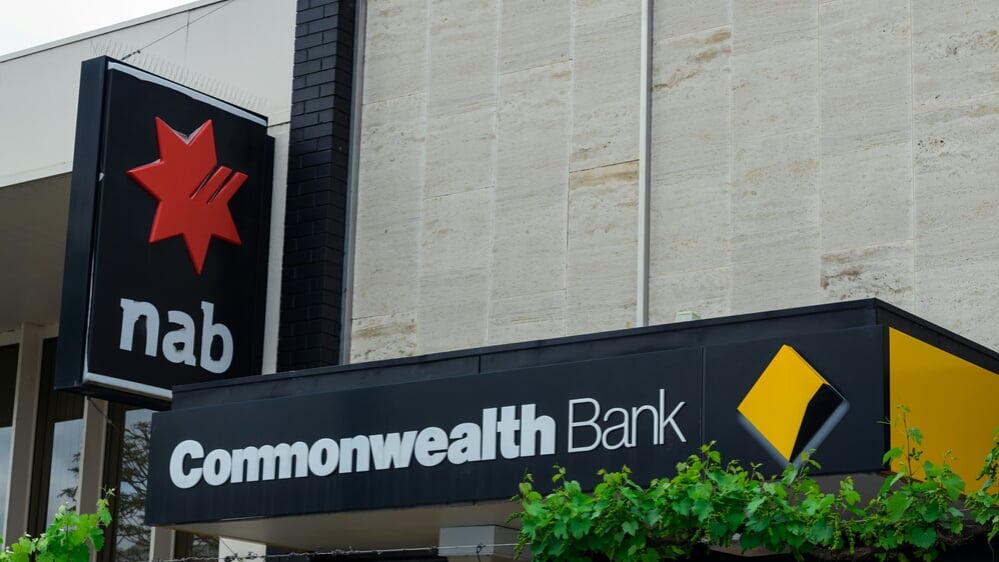
The Royal Commission, Australia’s highest form of public inquiry, spent a year investigating allegations of misconduct by some of the country’s biggest banks including the Commonwealth Bank of Australia (CBA), its largest lender. The local banking industry has been plagued by issues of wrongdoing for more than a decade now, Australia’s public broadcaster ABC reported on Feb. 4.

Commissioner Kenneth Hayne’s report proposed 76 recommendations, which the government has fully endorsed, leaving unscrupulous parts of the financial sector prone to being swept away by the legislature. Several institutions could be up for criminal charges for charging fees for which no service was rendered.

Australian Banks Fraudulently Collected Fees From Deceased Customers

The report reveals details about how Australia’s “Big Four” banks – CBA, Westpac, ANZ and NAB – fleeced their customers out of A$178 million (US$126 million) in financial advice they did not provide. Banks went further, even charging customers who had died. Collectively, wealth managers and the major banks will have to fork out A$850 million (US $603 million) in compensation.

In his report, Hayne said:

Misconduct will be deterred only if entities believe that misconduct will be detected, denounced and justly punished. Misconduct, especially misconduct that yields profit, is not deterred by requiring those who are found to have done wrong to do no more than pay compensation. And wrongdoing is not denounced by issuing a media release.

 Commission Recommends Stronger Action

The Royal Commission was conceived in response to years of malpractice in the sector. It was initially opposed by Prime Minister Malcolm Turnbull and the banks last year, but it went through in a bill in parliament.

The Royal Commission reviewed more than 10,000 public submissions and interviewed over 130 witnesses in hearings conducted publicly. Much of the focus revolved around customers who had been exploited – and some bankrupted – by banks and industry advisers.

Whereas intermediaries between banks and customers are supposed to be independent, banks fielded their own, resulting in undeclared conflicts of interest, the Commission’s report stated. For a sector anchored on trust, it is noteworthy how far banks went to trash every aspect of the sector by creating a rigged game.

Australian Banks Fraudulently Collected Fees From Deceased Customers

The scathing report did not go so far as to ban banks and wealth managers from owning advice businesses. Some of the recommendations include over 20 unidentified cases being referred to regulators for possible criminal or civil prosecutions.

It also spoke of the need for a complete overhaul of the banking industry’s culture to prevent issues of conflict of interest while emphasizing that regulators ought to prosecute violations with a lot more frequency, or lose some of their powers.

Australia’s Treasurer Josh Frydenberg said the public had suffered “immensely” from the banks’ mischief, adding that government would move swiftly to implement some of the recommended reforms. “It’s a scathing assessment of conduct driven by greed and behaviour that was in breach of existing law and fell well below community expectations,” he was quoted as saying. “There have been broken businesses, and the emotional stress and personal pain has broken lives.”

The Australian Prudential Regulation Authority (APRA) will retain responsibility for prudential regulation, while the Australian Securities and Investment Commission (ASIC) will primarily regulate conduct and disclosure.

Banks have for years conspired to steal from people and from governments while continuing to render service to thieves by facilitating the flow of illicit money. Cryptocurrency like bitcoin is seen by many as a safe haven from corporate theft, offering a more transparent system than the opaque banking sector.

An undercover probe by dozens of journalists from 12 countries last year revealed how Europe’s top banks allegedly helped wealthy clients across the continent steal 55 billion euros ($63 billion) from multiple governments by making tax reclaims to which they were not entitled. The theft centered around a complex scheme of trading stocks that also involved hedge funds and large international commercial law firms.

What do you think about the conduct of banks in Australia and the global banking sector in general? Let us know in the comments section below.


Images courtesy of Shutterstock.


Express yourself freely at Bitcoin.com’s user forums. We don’t censor on political grounds. Check forum.Bitcoin.com

The post Australian Banks Fraudulently Collected Fees From Deceased Customers appeared first on Bitcoin News.

from Bitcoin News http://bit.ly/2I3tooy Australian Banks Fraudulently Collected Fees From Deceased Customers