
#Blockchain New Hampshire House Subcommittee Approves Bitcoin for Taxes Bill

New Hampshire House Subcommittee Approves Bitcoin-for-Taxes Bill

During the first week of the new year, two U.S. representatives from New Hampshire, Dennis Acton and Michael Yakubovich, proposed a bill that would allow the state’s residents to pay taxes with cryptocurrencies. Now after some deliberation, New Hampshire’s House Subcommittee unanimously approved the state’s bitcoin for taxes bill.

Also read: US State of Ohio Accepts Bitcoin for 23 Types of Taxes

New Hampshire Bitcoin for Taxes Bill Passes Unanimously

Residents from the state of New Hampshire, otherwise known as the “free state,” may soon be able to pay their taxes using cryptocurrencies like bitcoin. Over the last few weeks, the state’s legislators have been discussing the recently submitted bill, HB 470, which would allow residents to pay specific New Hampshire taxes with bitcoin. HB 470 will address any accounting, valuation and management issues related to accepting cryptocurrencies, the bill states. Further, the plan will need to find a third party payment processor that will process digital asset transactions at no cost to the state.

“Implementation Plan for the State to Accept Cryptocurrencies as Payment for Taxes and Fees,” explains HB 470. “The state treasurer, in consultation with the commissioner of the department of revenue administration and the commissioner of the department of administrative services, shall develop an implementation plan for the state to accept cryptocurrencies as payment for taxes and fees beginning July 1, 2020.”
New Hampshire House Subcommittee Approves Bitcoin for Taxes Bill
If the bill passes, the Treasurer of New Hampshire must find a free payment processor.

If the bill passes, then on or before November 1, 2019, the state treasurer must submit the roadmap to the Governor, the Speaker of the House of Representatives, the Senate President, the House Clerk, the Senate Clerk, and the offices of the State Library. On Jan. 29, 2019 at 9 a.m., the New Hampshire House Subcommittee unanimously approved the bitcoin for taxes legislation and the bill’s amendments. HB 470 will now go back to the executive branches like the state’s Administration Committee for further voting.

New Hampshire Joins Ohio and Possibly Indiana

New Hampshire is currently on the move to join Ohio, the first state in the U.S. to accept payments in bitcoin cash (BCH) and bitcoin core (BTC) for 23 types of business taxes. “Ohio has become the first state in the United States, and one of the first governments in the world, to accept cryptocurrency,” detailed Josh Mandel from the Ohio Treasurer’s Office at the time. Then there’s the state of Indiana which plans to amend the tax code and accept cryptocurrencies for tax payments as well, according to House bill number 1683 filed on Jan. 24, 2019. Indiana’s Treasurer will be in charge of handling similar parts of the system, like finding a payment processor, but if enacted, Indiana’s amended tax code would go into effect on July 1, 2019.

New Hampshire House Subcommittee Approves Bitcoin for Taxes Bill
New Hampshire will join the state of Ohio if bill HB 470 passes and Indiana lawmakers are also in the midst of proposing a similar tax bill.

With the New Hampshire Subcommittee unanimously pushing through the bitcoin for taxes bill, it seems like the state may approve the legislation in the near future, although residents will still have to wait until 2020 in order to pay taxes with cryptocurrencies. HB 470 also emphasizes that New Hampshire will not accept the responsibility of bitcoin’s price fluctuations and all taxes collected will be converted to U.S. dollars immediately. Furthermore, the state’s Treasury is unable to predict whether a third-party payment processor would process cryptocurrency services at no cost to the state, the proposed bill concedes.

What do you think about the New Hampshire Subcommittee pushing the state’s bitcoin for taxes bill forward? Let us know what you think about this subject in the comments section below.


Image credits: Shutterstock, Pixabay, and video courtesy of Freekeene.com.


Need to calculate your bitcoin holdings? Check our tools section.

The post New Hampshire House Subcommittee Approves Bitcoin for Taxes Bill appeared first on Bitcoin News.

from Bitcoin News http://bit.ly/2MRI8pi New Hampshire House Subcommittee Approves Bitcoin for Taxes Bill

#Blockchain The Importance of Risk Management and Psychology When Trading Crypto

In 2017, as crypto mania escalated, we witnessed extreme cases where individuals decided to make huge bets on bitcoin. Some liquidated all their assets and invested their life savings. Most of these investors were subsequently gored by the same bull that had led them and then rekt during the ensuing bear market of 2018. Knowing your risk appetite and understanding trading psychology are essential before investing in cryptocurrency.

Also Read: Back to Basics: What Is Money?

Irrational Exuberance Is All Part of the Cycle

The Importance of Risk Management and Psychology When Trading Crypto

The crypto market is still young, and so volatility is part of the game. Before entering for the first time, it is important to be aware that the market is prone to the phenomena of irrational exuberance.

Diversification is a key part of risk management. As the saying goes, don’t put all your eggs in one basket, which raises the question: how important is it to have exposure to a range of assets and cryptocurrencies? 

It is worth diversifying your investment holdings in order to mitigate risk. The modern portfolio theory (MPT), a hypothesis put forward by Harry Markowitz, a Nobel prize-winning economist and author of the classic 1952 article “Portfolio Selection,” states that by diversifying assets you will minimize risk and get the mean. Markowitz’s research has also shown that investors can assemble the perfect portfolio.

MPT is a mathematical framework for building a portfolio of assets so that the expected return is maximized for a given amount of risk.  The mathematical framework MPT has been applied by a number of groups. Recent research by the Bocconi Students Investment Club at Bocconi University in Milan showed that applying the MPT framework to crypto beat all other portfolios, at the cost of greater volatility. 

The Bocconi Students Investment Club concluded: “Our findings, consistently with MPT, are that portfolio variance can be significantly lowered by exploiting low covariances between coins.”

Buy Low, Sell High?

The ability to buy low and sell high requires traders to able to determine roughly when the low and high prices for digital assets will be. Unfortunately this strategy is difficult to execute, as evidenced by the year-long fall in bitcoin and cryptocurrency prices which have affected the psychology and emotions of many market participants.

The Importance of Risk Management and Psychology When Trading Crypto

As humans, we are conditioned to follow the crowd. Fear of missing out (FOMO) and fear, uncertainty and doubt (FUD) play a huge role in the psychology of crypto investing. Many investors will instinctively react to something in the news which can drive prices down to record levels, enforcing the “fear” factor which will then convince traders to sell their investment for a loss.

2017 headlines claiming China is banning cryptocurrency exchanges or JP Morgan’s Jamie Dimon asserting that bitcoin is worse than tulip bulbs are classic examples of FUD that can negatively affect asset prices. Crypto investors have now become more resilient to this sort of sensationalist news and bitcoin bashing.

Establish Your Personal Attitude to Risk

The Importance of Risk Management and Psychology When Trading Crypto

Greed, for lack of a better word, is not good. There are numerous tales about people who were so passionate about bitcoin and the cryptocurrency revolution they went all in. One such person is 39 year-old Didi Taihuttu, a Netherlands native who sold everything he owns including his home and valuable belongings for bitcoin. Another young man was so convinced that cryptocurrency was the future, he gave up his apartment and wound up living in his car while putting every spare cent towards his crypto portfolio.

If you have a family to support and barely enough funds to survive, is it really worth gambling and going all in crypto? It only makes sense that before investing you should research the technology, and most importantly develop your understanding of the market psychology. That way, you’ll maximize your prospects of profit and avoid trading on emotions alone.

What are the factors influencing crypto prices? Let us know in the comments section below.


Images courtesy of Shutterstock.


Need to calculate your bitcoin holdings? Check our tools section.

The post The Importance of Risk Management and Psychology When Trading Crypto appeared first on Bitcoin News.

from Bitcoin News http://bit.ly/2BgYraC The Importance of Risk Management and Psychology When Trading Crypto

#Blockchain Markets Update: Traders Patiently Wait for Crypto’s Longest Bear Run to End

Markets Update: Traders Patiently Wait for Crypto's Longest Bear Run to End

Cryptocurrency prices have been seemingly stable lately as there hasn’t been much volatility in the last two weeks in either direction. The overall market capitalization of the entire crypto economy has lost about $4 billion since our last markets update and global trade volumes are much slimmer than weeks prior.

Also read: Properties Are Still Being Sold for Cryptocurrency Despite the Bear Market

Traders Are Patiently Waiting for the Next Big Move

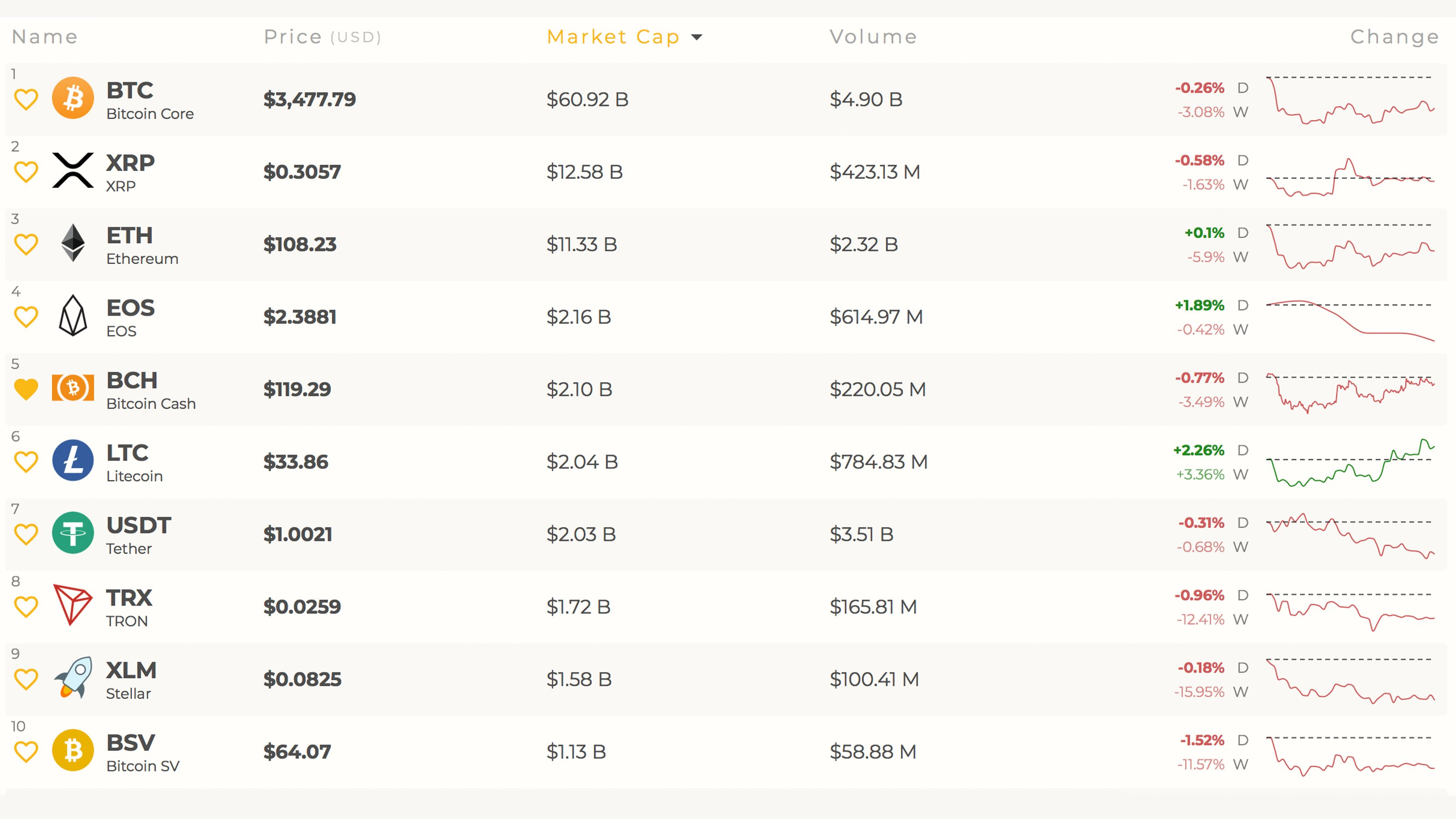
Traders are itching and waiting for the next big move in crypto land as the entire digital asset economy of all 2000+ coins has been relatively stable. There have been a few price spikes here and there by a few lesser known coins, but most of the top digital currencies haven’t moved very much. This Sunday, Feb. 3, the price of bitcoin core (BTC) is hovering around $3,477 and has a market valuation of about $60 billion. BTC is down a hair today percentage-wise and down more than 3% for the week.

Markets Update: Traders Patiently Wait for Crypto's Longest Bear Run to End
Top 10 cryptocurrencies according to Satoshi Pulse on Feb. 3, 2019.

The second largest market capitalization is captured by ripple (XRP) and each coin is swapping for $0.30. Not too far behind ripple is ethereum (ETH) which holds the third highest market valuation at $11.3 billion. ETH is trading for $108 per coin and the market is down over 5.9% in the last seven days. In the fourth position is eos (EOS) which is priced at $2.38 per token at press time and is up 1.89% today leading the top 10 pack.

Bitcoin Cash (BCH) Market Action

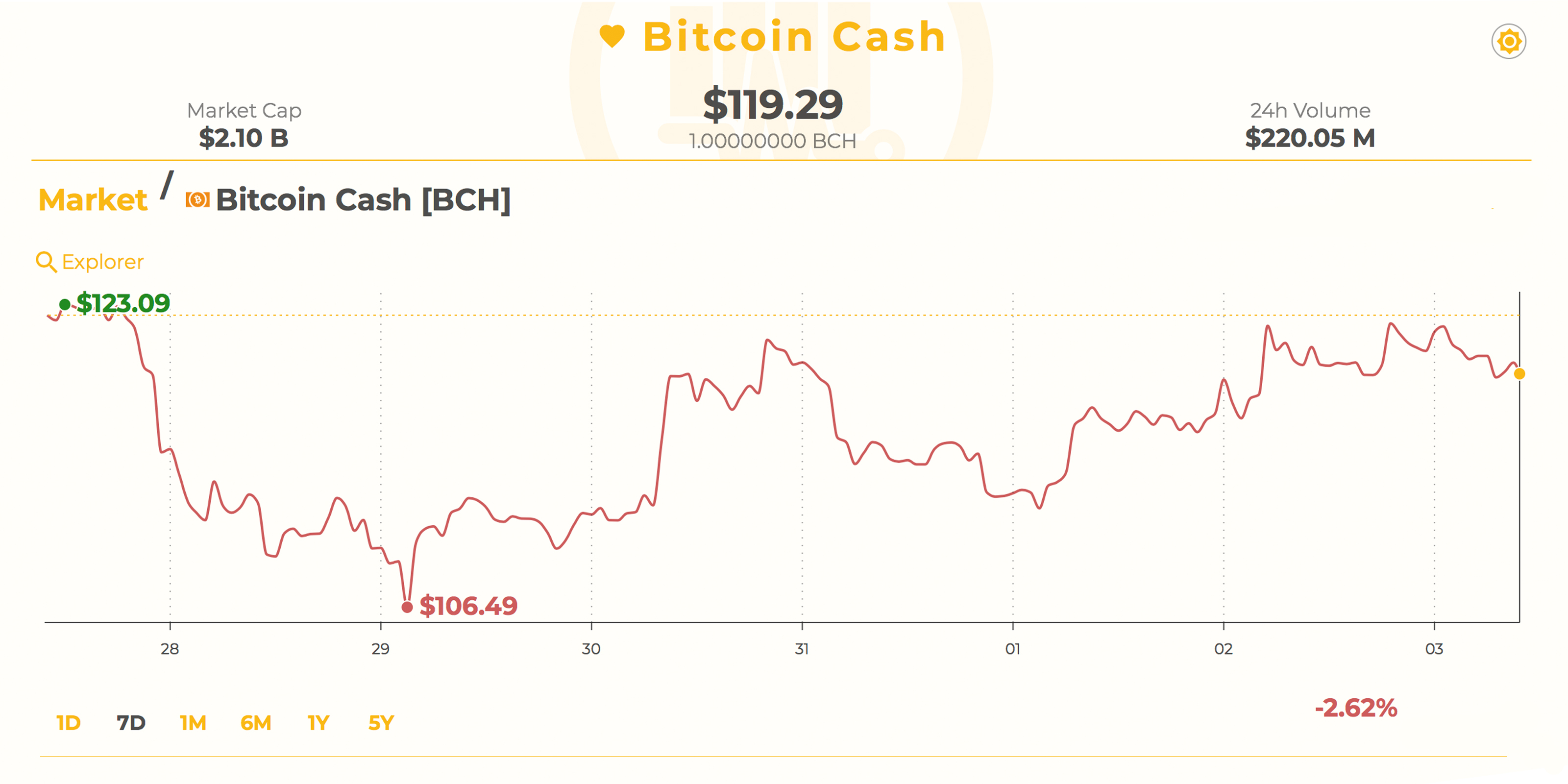
Moving on to bitcoin cash (BCH), traders will see that the coin is trading for $119 per BCH this Sunday. The decentralized cryptocurrency has an overall market valuation of around $2.1 billion but has lost more than 3.4% this week. The top five BCH trading platforms swapping the most BCH this weekend include Lbank, Fcoin, Binance, Hitbtc, and Huobi.

Markets Update: Traders Patiently Wait for Crypto's Longest Bear Run to End
BCH/USD 7-day. Sunday – Feb. 3, 2019

USDT (tether) is dominating the BCH trades today by 39% and ETH is not too far behind at 33.5%. Following behind those pairs are BTC (14.8%), USD (5.4%), KRW (4.9%), and JPY (0.90%). This weekend, bitcoin cash is the seventh most traded cryptocurrency as far as global trade volume below XRP and above CKUSD.

Markets Update: Traders Patiently Wait for Crypto's Longest Bear Run to End
Poloniex BCH/USDC 4-hour. Sunday – Feb. 3, 2019

BCH/USD Technical Indicators

Looking at the 4-hour BCH/USD chart on Bitstamp shows the price has been consolidating but still has been dropping slightly, hence the 2% loss over the last seven days. Currently, the two Simple Moving Averages (100-200 SMA) are still spread apart but looks as though they may cross hairs in the near future. For now, the long term 200 SMA is well above the short term 100 SMA, which indicates the path toward the least resistance is still in favor of the bears. RSI and Stochastic oscillators show oversold conditions are still dominating the playing field and MACd seems as though it will be heading southbound in the short term.

Markets Update: Traders Patiently Wait for Crypto's Longest Bear Run to End
Kraken BCH/USD 4-hour. Sunday – Feb. 3, 2019

There’s been six months of downward prices and dead kitties bouncing so bulls need to press past the 200-week moving average (MA) in order to gain some better headway this time around. Order books show there’s some pretty good resistance up until $130 a coin and things look smoother from there. On the back side, after a week of consolidation, foundations are slimmer than the week prior and bears will see pit stops between now and $110 for the second time in two weeks.

The Verdict: The Growing Sentiment of Uncertainty Dominates the Entire Global Economy and Is Not Secluded to Crypto Markets

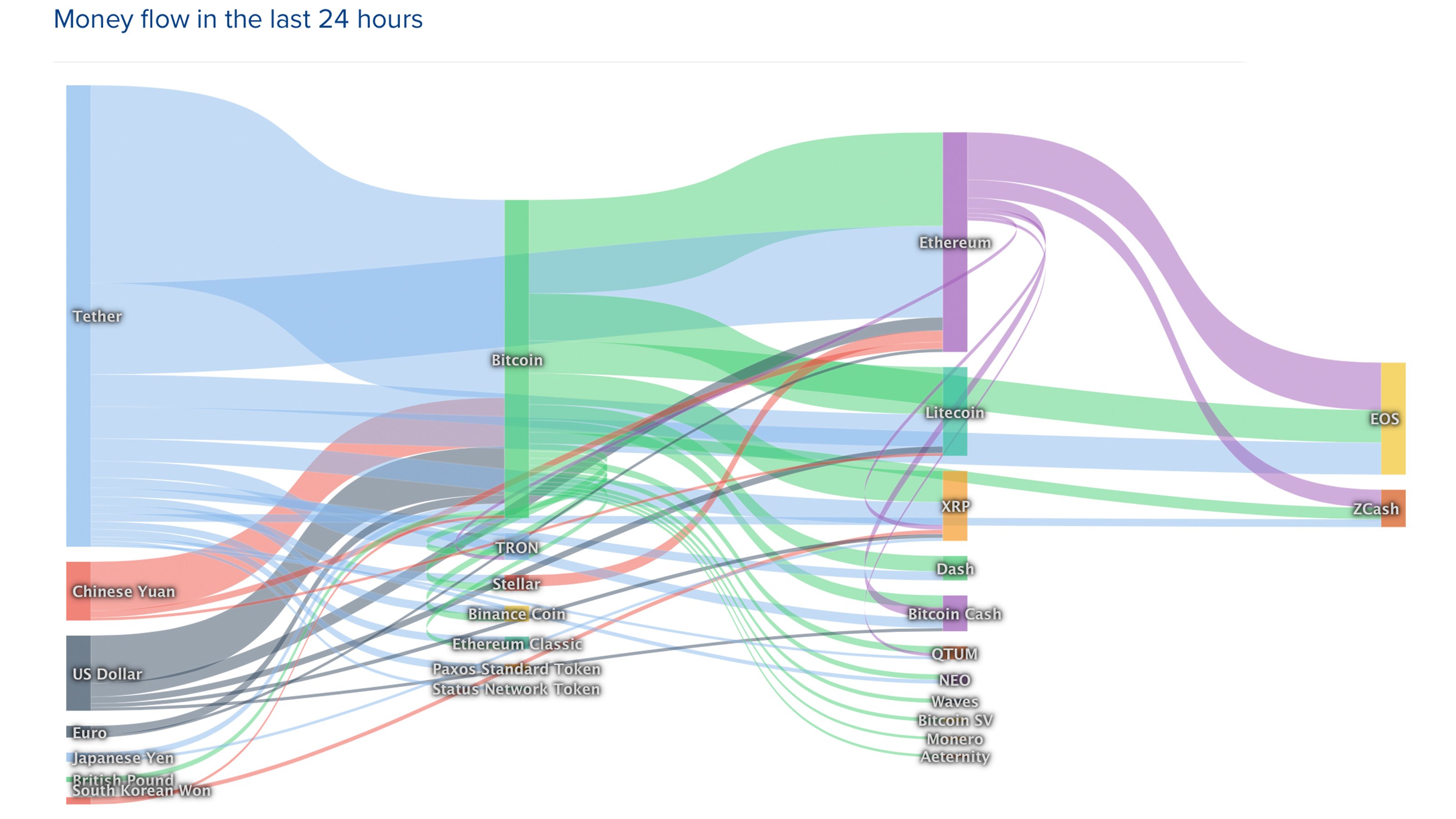
Overall, traders are still waiting patiently for the next big move and other global markets may be playing a role. The global economy has been stuttering and many leaders and economists worldwide believe society is on the brink of another economic crisis like 2008. Safe haven assets like gold have experienced a significant increase since the economic tides began shifting and this sentiment may have kept cryptocurrencies from dropping further.

Markets Update: Traders Patiently Wait for Crypto's Longest Bear Run to End
The entire cryptocurrency to fiat money flow in the last 24-hours. Sunday – Feb. 3, 2019

Moreover, the U.S. Federal Reserve has been heavily discussing pausing interest rates which could affect the western economy a great deal. Since cryptocurrencies like BTC and BCH have seen price declines, the global SHA-256 hashrate has declined since last October by more than 35%. However, there’s been a slow and steady increase in hash power this year and around 10% of that power has been recovered. This indicates miners who have a lot of skin in the game are more confident and cryptocurrency price values could follow suit. For now, traders must wait but still many hope the longest bear run in crypto history will soon see a reversal.

Where do you see the price of BCH, BTC and other coins heading from here? Let us know in the comments below.

Disclaimer: Price articles and markets updates are intended for informational purposes only and should not to be considered as trading advice. Neither Bitcoin.com nor the author is responsible for any losses or gains, as the ultimate decision to conduct a trade is made by the reader. Always remember that only those in possession of the private keys are in control of the “money.”


Images via Shutterstock, Trading View, Bitstamp, Coinlib.io, and Satoshi Pulse.


Want to create your own secure cold storage paper wallet? Check our tools section.

The post Markets Update: Traders Patiently Wait for Crypto’s Longest Bear Run to End appeared first on Bitcoin News.

from Bitcoin News http://bit.ly/2SrHB2c Markets Update: Traders Patiently Wait for Crypto’s Longest Bear Run to End

#Blockchain The Daily: Grin Developer Fund Grows, Russian Agent’s BTC Transaction Tracked

The Daily: Privacy Coin Grin Gets Donations, Researchers Track GRU’s BTC Transaction

In this edition of The Daily, a leading Grin developer has received donations worth $26,000 to fund his work on the project. Also, research group Bellingcat has tracked a BTC transaction allegedly made by Russian agents meddling in U.S. elections, and stablecoin paxos has reached $10 billion in transactions.

Also read: Zebpay Launches in 5 European Markets, Coinpulse Enters ‘Indefinite Maintenance’

Grin Developer Receives Donations Worth $26,000

The Daily: Grin Developer Fund Grows, Russian Agent's BTC Transaction TrackedA campaign to raise funds for the development of privacy-centric coin Grin is halfway towards its target. A dedicated page on the project’s website shows that €22,530 (approx. $26,000) of the targeted €55,000 ($63,000) has been collected in crypto already.
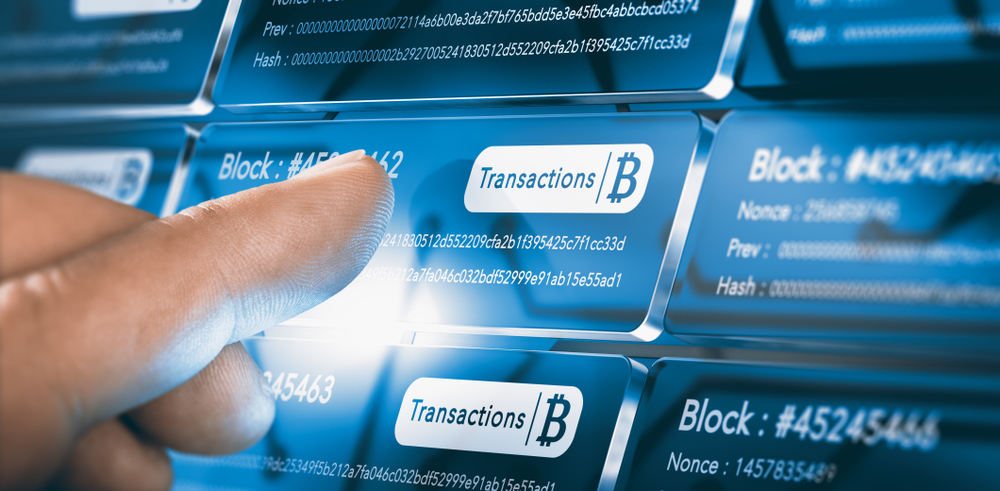
As of Feb. 1, 3.4 BTC, 134.14 ETH and 7 GRIN have been donated. The money will be used to finance the work of Grin’s developer Michael Cordner, also known as ‘Yeastplume.’ Cordner has been an active contributor since May 2017 and the Grin project has been his full-time job since February of last year. Yeastplume also states:

I hope my performance so far has been satisfactory to the community as well as beneficial to Grin and Mimblewimble development … I’m happy to make myself known partly for funding transparency reasons, and partly because I’m happy to take on some of the public-facing tasks that will inevitably come up as Grin evolves.

Michael Cordner further shares information about what the previous funds have been used for, as well as his future development plans. He also notes that once the funding goal is reached, the crypto amounts will be cashed out into euros. The money is expected to finance his efforts in the development of the coin until August 2019.

Grin is one of two cryptocurrencies based on Mimblewimble that were launched this year, with Beam being the first. The protocol was originally developed in 2016 to improve the scalability of the Bitcoin network and provide enhanced privacy for its users.

Bellingcat Claims to Have Tracked BTC Sent by GRU

Research group Bellingcat has reportedly tracked a 0.026043 BTC transaction from Feb. 1, 2016 that, according to Robert Mueller, special counsel of the investigation into Russian interference in the 2016 U.S. elections, is related to the activities of agents of Russia’s foreign military intelligence agency GRU as well as the hacking of the DNC servers.

The Daily: Grin Developer Fund Grows, Russian Agent's BTC Transaction Tracked

Despite noting that in recent years cryptocurrencies have been used by “bad actors,” the authors of the report admit many people utilize them for legitimate purposes and that the Bitcoin blockchain “cuts down on anonymity with regard to cryptocurrency use.” That allowed Bellingcat to track down the transaction mentioned in the Mueller indictment of 12 alleged Russian GRU agents from July 2018.

Using a block explorer, the researchers found that the first block containing a transaction for that amount was on Feb. 1, 2016, in block 396049. Then they checked all subsequent blocks and found two transactions of roughly the same amount, in block 396123 (0.026043 BTC) and in block 396060 (0.02604322 BTC).

Since the exact amount was sent with the transaction in block 396123 from 1LQv8aKtQoiY5M5zkaG8RWL7LMwNzVaVqR, Bellingcat concludes that address is more likely to have been used by the GRU agents three years ago. The digital cash was sent to 1NZ4MSeYcDKFiPRt8h7VK6XMhShwzhCzCp and the U.K.-based research group believes this address is connected to the presumed Russian hackers.

Paxos Marks $10 Billion in Transactions Since Launch

The U.S. dollar-backed stablecoin paxos standard token (PAX) has reached over $10 billion in transactions in less than five months since its launch in September 2018, the coin’s developers announced on Twitter this week. “Redemption requests are processed in just 5 hours,” their post further details. All-time redemptions are close to $260 million and weekly redemptions are over $16 million.

The Daily: Grin Developer Fund Grows, Russian Agent's BTC Transaction Tracked

According to the shared data, the weekly PAX transactions currently amount to almost $580 million. As of Jan. 29, the total issuance has been $394 million and at the time of writing, the stablecoin’s market capitalization hovers around $123 million.

The paxos standard token is issued by the Paxos Trust Company. PAX was one of two ‘regulated’ stablecoins that received approval from the New York State Department of Financial Services last fall, with the other one being the Gemini dollar (GUSD) issued by Gemini Trust. Both have been announced as cryptocurrencies backed 1:1 with USD.

The team behind another dollar-pegged stablecoin, USD Coin (USDC), recently announced they’ve expanded the crypto’s ecosystem. Goldman Sachs-backed startup Circle revealed three new companies have added support for its digital currency, bringing the total number of partners to more than 100. Among them are cryptocurrency exchanges, wallet providers, other crypto platforms and app developers.

What are your thoughts on today’s news tidbits? Tell us in the comments section.


Images courtesy of Shutterstock.


Make sure you do not miss any important Bitcoin-related news! Follow our news feed any which way you prefer; via Twitter, Facebook, Telegram, RSS or email (scroll down to the bottom of this page to subscribe). We’ve got daily, weekly and quarterly summaries in newsletter form. Bitcoin never sleeps. Neither do we.

The post The Daily: Grin Developer Fund Grows, Russian Agent’s BTC Transaction Tracked appeared first on Bitcoin News.

from Bitcoin News http://bit.ly/2Su8cfr The Daily: Grin Developer Fund Grows, Russian Agent’s BTC Transaction Tracked

#Blockchain Bitcoin Had a Fairer Launch Than Any Altcoin

What constitutes a fair coin launch? It’s a question that has had some of the brightest minds and brashest projects in the space debating the best way to kickstart a cryptocurrency. Every crypto, Bitcoin included, has attracted criticism over a distribution schedule that favored early adopters. To date, no other coin has come close to matching the egalitarianism of Bitcoin’s launch.

Also read: These Payment Gateways Will Enable Your Business to Accept Cryptocurrency

There’s More Than One Way to Launch a Coin

When it comes to world-changing innovations, it generally pays to get in on the ground floor. Not every piece of transformative tech enriches its developers (think of the internet itself or email or encryption), but most do. Bitcoin certainly did. Despite launching with no ICO, no premine, and no founders’ reward, the cryptocurrency succeeded in turning many of its earliest supporters into very rich men. This in turn empowered many of them to launch their own cryptocurrencies, which have launched very differently from Bitcoin.

Bitcoin Had a Fairer Launch Than Any Altcoin
Jed McCaleb

Vitalik Buterin (Ethereum), Zooko (Zcash), Charlie Lee (Litecoin), Jed McCaleb (Ripple, Stellar) and Dan Larimer (Bitshares, Steemit, Eos) are examples of early bitcoiners who became altcoiners. The distribution of all of the coins they spawned has came in for criticism in some way. The 20 percent mining reward that goes to the Zcash treasury to fund development remains controversial, and spawned a hard fork to create Z Classic, which removed the founders’ reward, and fork-of-a-fork Zencash, now Horizen. Zcash has also been questioned on account of the missing zero-knowledge proofs that would legitimize the “trusted setup” at the privacy coin’s creation.

The ICO that birthed Ethereum has been attacked for allocating most of the coins to a handful of whales, and in other quarters has been accused of comprising a security rather than a utility. Eos’ year-long uncapped ICO has also irked members of the cryptocurrency community, and don’t get them started on Ripple. Aside from the fact that the company that created the currency has the lion’s share of XRP, the missing early block headers means it’s impossible to even examine Ripple’s genesis event.

Grin, Beam and the Quest for the ‘Perfect Launch’

Bitcoin Had a Fairer Launch Than Any Altcoin2019’s newest protocols, Grin and Beam, share commonalities, not least in terms of the Mimblewimble privacy technology they’re built upon. In other respects, however, the pair couldn’t be more different. Beam has a publicly known team, is incorporated as a business, and has a Zcash style founders’ reward to fund development. Grin, on the other hand, has a pseudonymous team, no premine or founders’ reward, and operates as a community project with no central leadership.


Whether Grin’s launch could be deemed “fair,” however, is a matter of debate. One of the goals when launching a cryptocurrency is to align incentives. This gives people a reason to devote their time, skills, and resources to the project, and rewards them for trusting in it when it was at its weakest. There were no guarantees that Bitcoin, or any of the projects mentioned above, would succeed. Their early backers knew they were taking a risk.

Bitcoin Had a Fairer Launch Than Any Altcoin

In “Grin and the Mythical Fair Launch,” Arjun Balaji asserts that “a fair launch offers equal opportunity — not equal outcome — to acquire a coin 1) over a long period of time 2) at a relatively equal price.” They conclude by opining that Grin’s launch “excels in both dimensions.” The absence of rewards for the project’s developers, however, has forced them to scrabble for the funds necessary to support their work. At the time of publication, Grin developer “yeastplume” has only raised $25,000 of the $63,000 they’re seeking. That’s a problem that funded projects like Beam and Zcash don’t have.

Unpacking Bitcoin’s Launch

Bitcoin Had a Fairer Launch Than Any AltcoinTo begin with, bitcoin could be extracted in virtual shovelfuls in a process akin to open-cast mining. The low difficulty rate, coupled with the 50 BTC block reward, meant it was easy for hobbyists to mine bitcoins by the thousand. Bitcoin mining today is more like fracking: it calls for specialist hardware, has a high cost of entry and triggers environmentalists. It is widely assumed that Satoshi has permanently locked away the BTC he accrued in the early days, when he is believed to have solo mined hundreds of thousands of coins. If so, it is a selfless act from the creator of the most unselfishly launched cryptocurrency to date. Not only has Satoshi forgone his founder’s reward, but he’s removed a significant amount of coins from circulation, effectively increasing the value of everyone else’s holdings.
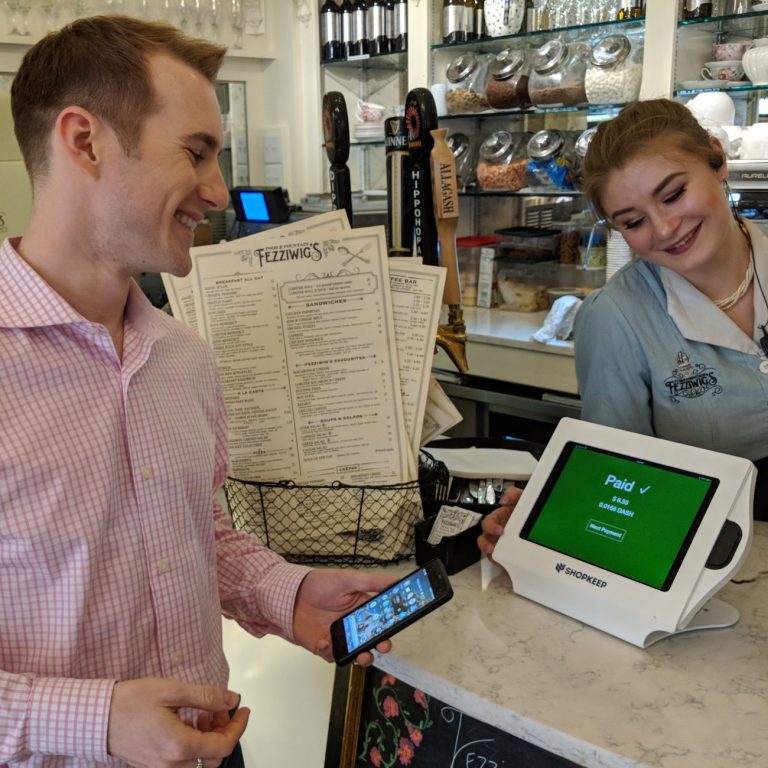
It’s easy to criticize Bitcoin’s launch a decade after the fact, claiming that its logarithmic supply curve was too steep, but it served its purpose of ensuring that Bitcoin survived to this day. Without it there would be no Grin, Beam, or any one of the 2,000 other cryptocurrencies out there, most of which are derived from Bitcoin.

Which cryptocurrency do you think had the fairest launch? Let us know in the comments section below.


Images courtesy of Shutterstock.


Need to calculate your bitcoin holdings? Check our tools section.

The post Bitcoin Had a Fairer Launch Than Any Altcoin appeared first on Bitcoin News.

from Bitcoin News http://bit.ly/2Gl96nG Bitcoin Had a Fairer Launch Than Any Altcoin

#Blockchain Point-of-Sale Platform Anypay Adds Full Bitcoin Cash Support

Point-of-Sale Platform Anypay Adds Full Bitcoin Cash Support

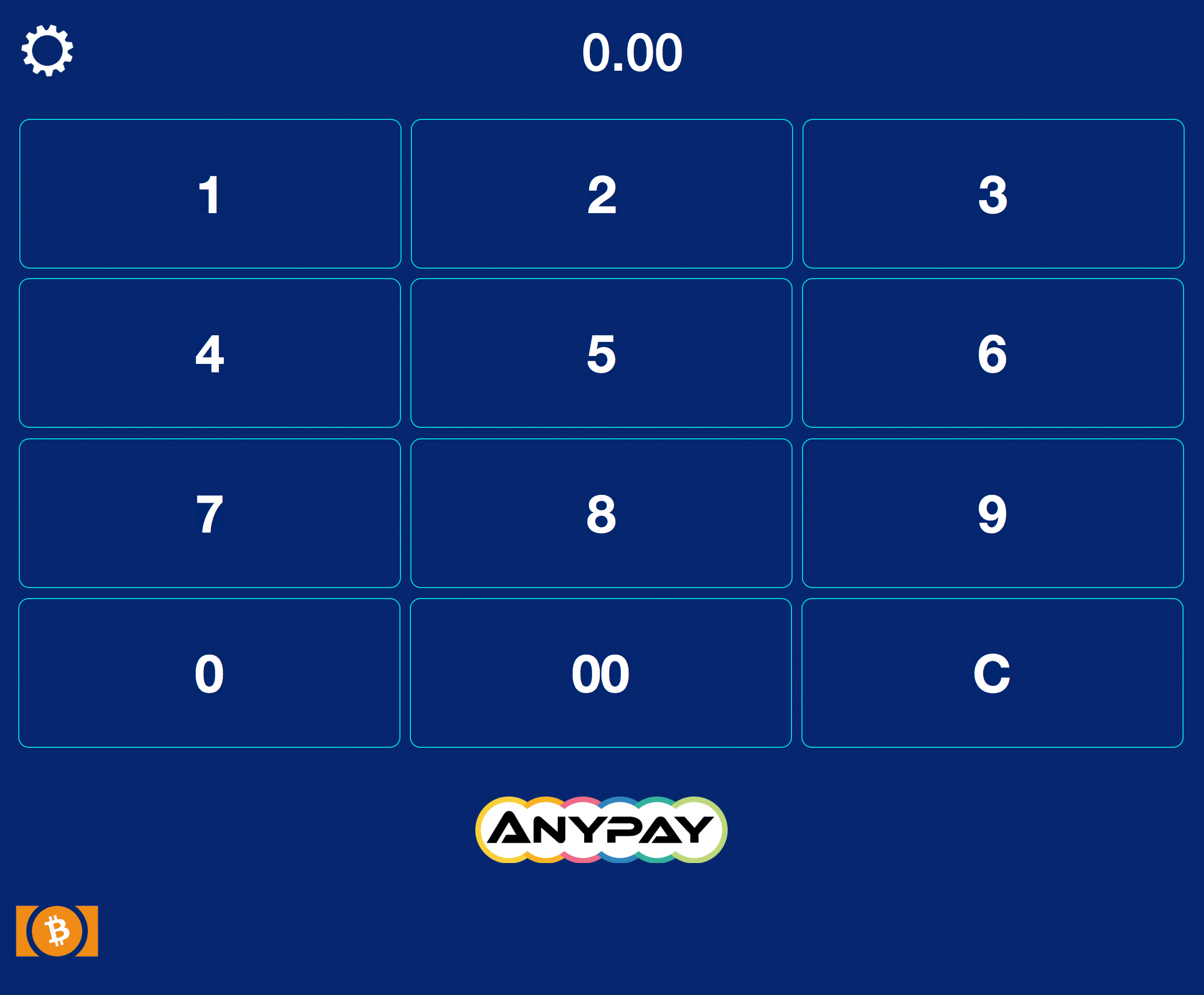
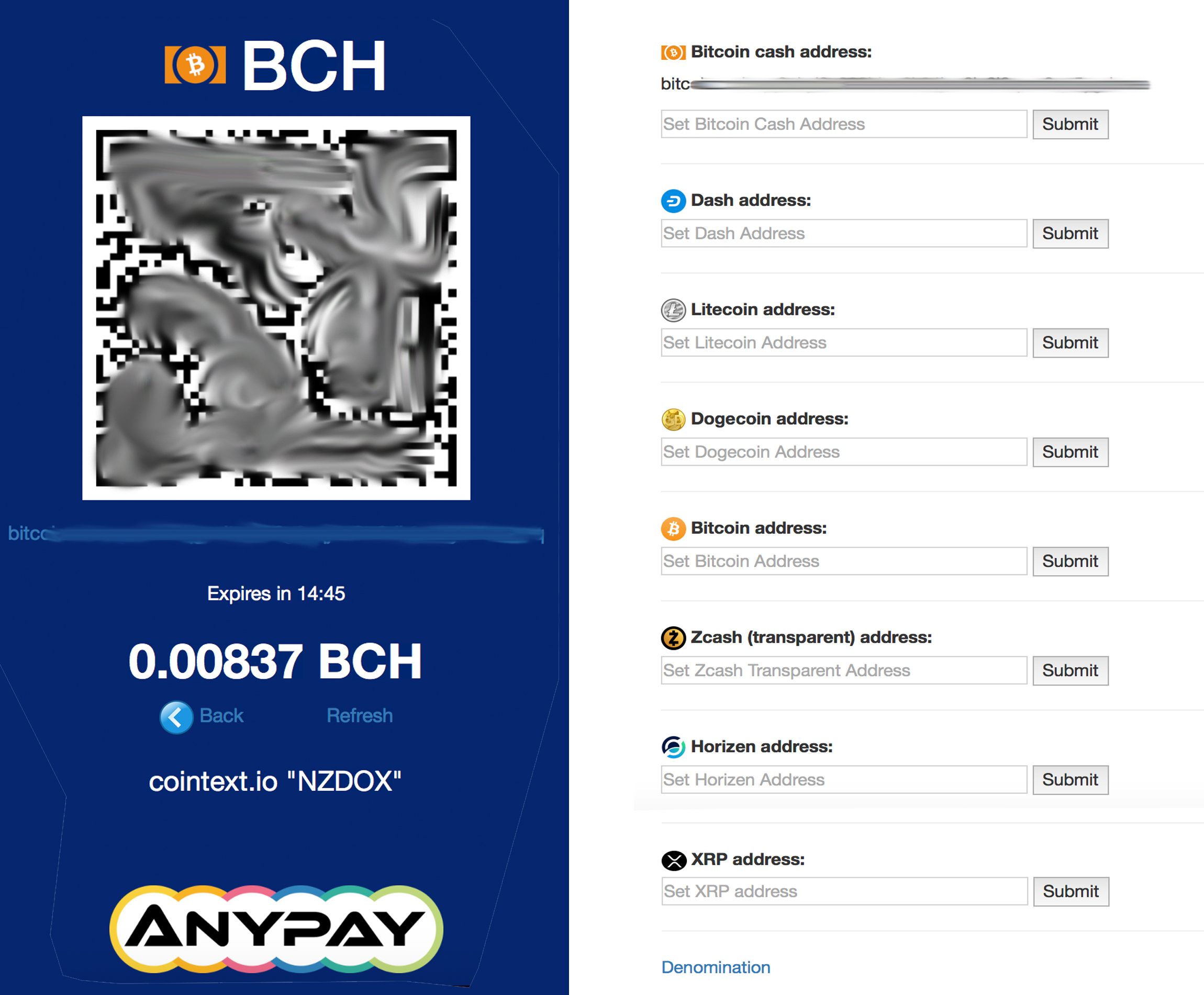
Bitcoin Cash (BCH) proponents were pleased to hear this week that the point-of-sale payment processing application Anypay has fully integrated BCH. With the Anypay platform, anyone can accept BCH at their store using a tablet, mobile device or desktop in a noncustodial fashion.

Also read: Properties Are Still Being Sold for Cryptocurrency Despite the Bear Market

Crypto Payment Processor Anypay Completes Bitcoin Cash Integration

Derrick Freeman, the founder of point-of-sale (PoS) cryptocurrency platform Anypay Global, explained to BCH supporters the payment application has integrated bitcoin cash support. Anypay initially announced support for BCH back in November 2017 but as some users tested the platform it had a few quirks, so support was removed off and on for a year.

Point-of-Sale Platform Anypay Adds Full Bitcoin Cash Support

Now since Jan. 31, the cryptocurrency has been added to Anypay’s list of fully supported coins which also includes LTC, DASH, BTC, DOGE, ZEC, XRP, and ZEN. Freeman explained in a recent blog post that he knew at some point Anypay would give BCH the attention that it deserves. The entrepreneur and activist also stated he admired that BCH is about “spendability, low fees” and that it’s also “easy to send, and easy to accept.”

“We knew we would come back to it, someday, to treat it right — to give it the beautiful, easy to use, and ideologically pure point of sale app it deserves,” Freeman detailed.

The Anypay founder further stated:

And finally, it is done and BCH is now fully supported on Anypay — Go ahead and try it. You will be amazed at how fast your payment arrives in your wallet. Your eyes will well up at the beauty and simplicity of the experience — You will see God.

Point-of-Sale Platform Anypay Adds Full Bitcoin Cash Support

Free, No IDs, and No Complicated Setup

Last November, news.Bitcoin.com reviewed Anypay Global’s application and was the first to notice the platform had fused Cointext into the system. The Cointext integration means people who pay an Anypay invoice with BCH can simply text the payment by using SMS. The user could pay a tab without an internet connection or use a Nokia style feature phone without web services. In a matter of minutes, with a bitcoin cash address, anyone can accept the currency in a noncustodial manner as all the funds are held by the merchant. Anypay has zero access to the private keys as the PoS system simply uses an anchored public address.

“You can approach any business, and in minutes have them accepting multiple cryptocurrencies on their store iPad, Android tablet, mobile, or desktop — totally free, without IDs, and without any complicated setup,” Freeman detailed during the announcement.

Point-of-Sale Platform Anypay Adds Full Bitcoin Cash Support

On social media and BCH related forums, supporters were thrilled to hear the news about the payment processor’s full support. Many BCH proponents enjoyed Freeman’s honesty and opinion on how the cryptocurrency originally forked off. “[Bitcoin Cash] shed its fat, ugly layer of loser nobodies who were frantically buying up as many digital tokens as they could, getting high off the rush from their imaginations of lambos and yachts and get-rich-quick easy money,” the activist remarked.

What do you think about Anypay adding full BCH support? Let us know what you think about this subject in the comments section below.

Disclaimer: Readers should do their own due diligence before taking any actions related to the mentioned companies or any of its affiliates or services. Bitcoin.com and the author are not responsible, directly or indirectly, for any damage or loss caused or alleged to be caused by or in connection with the use of or reliance on any content, goods or services mentioned in this article. This editorial is for informational purposes only. 


Image credits: Anypay Global, and Bitcoincash.org. 


Express yourself freely at Bitcoin.com’s user forums. We don’t censor on political grounds. Check forum.Bitcoin.com

The post Point-of-Sale Platform Anypay Adds Full Bitcoin Cash Support appeared first on Bitcoin News.

from Bitcoin News http://bit.ly/2S58vxv Point-of-Sale Platform Anypay Adds Full Bitcoin Cash Support

#Blockchain Crypto-Stealing SIM Swapper Pleads Guilty, Gets 10 Years in Prison

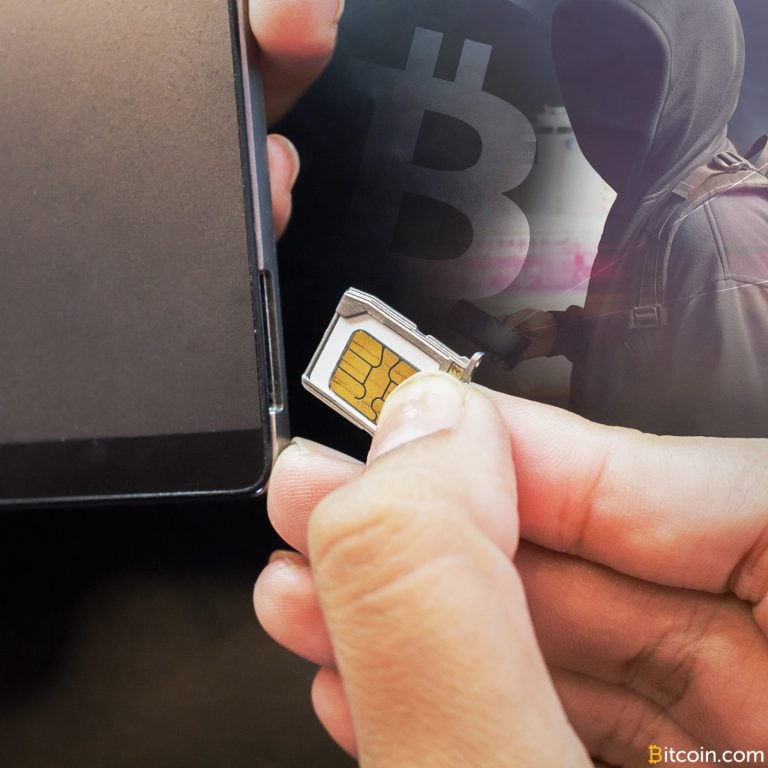
Joel Ortiz, a college student who allegedly stole cryptocurrency worth over $5 million, has pleaded guilty and accepted a 10-year prison sentence. Ortiz was arrested last year and accused of hijacking the phone numbers of around 40 people. He is now the first person to be sentenced for the crime, commonly known as SIM swapping.

Also read: Plaintiff in AT&T SIM-Swapping Case Sues ‘Bitcoin Bandit’ for $81M

First Case of SIM Swapping Conviction

The 20-year-old from Boston was detained at Los Angeles International Airport in July 2018 while trying to leave for Europe. He is one of several hackers arrested for SIM swapping last year including Xzavyer Narvaez, Nicholas Truglia and Joseph Harris.

Crypto-Stealing SIM Swapper Pleads Guilty, Gets 10 Years in Prison

All of these individuals have been accused of stealing millions in crypto. The SIM swappers used the hijacked phone numbers to gain access to the victims’ email and social media accounts, as well as their bitcoin wallets.

Joel Ortiz accepted the plea deal last week and will be officially sentenced on March 14, Motherboard reported, quoting the Deputy District Attorney in Santa Clara County, California, Erin West. Authorities believe his case is the first that ends with a conviction for SIM swapping. West commented:

In looking at Joel’s sentence – 10 years – it shows that our community will not tolerate this type of crime. And we will continue to find everyone who’s responsible.

Multiple Other Investigations Under Way

Law enforcement representatives expressed hope the case will also serve as an example for others alleged or suspected of the same crime and send a message to the hackers. The officials did not reveal the number of ongoing investigations but admitted there have been new arrests and search warrants.

According to the publication, the majority of these investigations are led by the Regional Enforcement Allied Computer Team (React). The task force unites the efforts of numerous local police departments in the U.S. state of California.

Samy Tarazi, one of the agents who worked on the Ortiz case, said the unit has received hundreds of reports of SIM swapping attacks from people that have been targeted by hackers. However, he added that their number has now decreased.

Crypto-Stealing SIM Swapper Pleads Guilty, Gets 10 Years in Prison

When Joel Ortiz was arrested at LAX last summer, he was about to fly to Europe with $250,000 in cryptocurrency, Boston Globe reported. Before his attempt to leave the U.S., Ortiz had spent another $150,000 of the misappropriated digital funds.

Ortiz and his accomplices specifically targeted people from the crypto space. It’s believed their victims included attendees of the Consensus conference in New York last May. They managed to steal the crypto assets after tricking wireless phone companies into transferring the target’s phone number to a SIM card in their control.

During his trial, Joel Ortiz was facing 28 charges including multiple counts of hacking, identity theft and grand theft.

What do you think about the outcome of the Ortiz case? Share your thoughts on the subject in the comments section below.


Images courtesy of Shutterstock, Swiss Venture Capital Report 2019.


Make sure you do not miss any important Bitcoin-related news! Follow our news feed any which way you prefer; via Twitter, Facebook, Telegram, RSS or email (scroll down to the bottom of this page to subscribe). We’ve got daily, weekly and quarterly summaries in newsletter form. Bitcoin never sleeps. Neither do we.

The post Crypto-Stealing SIM Swapper Pleads Guilty, Gets 10 Years in Prison appeared first on Bitcoin News.

from Bitcoin News http://bit.ly/2BrsZ9J Crypto-Stealing SIM Swapper Pleads Guilty, Gets 10 Years in Prison

#Blockchain Stacks Network Plans to Leverage BTC’s Proof of Work and Burn Bitcoins

Stacks Network Plans to Leverage BTC's Proof-of-Work and Burn Bitcoins

Blockchain startup Blockstack has revealed the company is in the midst of developing a new distributed ledger protocol called Stacks, a chain that leverages the hash power from the Bitcoin Core (BTC) network. Not only is the Stacks network secured by over 45 exahash of distributed hashrate, but its consensus algorithm also burns BTC by using a mechanism known as proof of burn (PoB).

Also read: Properties Are Still Being Sold for Cryptocurrency Despite the Bear Market

Proof of Burn

Blockstack, formerly called Onename, and Stacks lead developer Jude Nelson have published a video that describes a newly designed blockchain consensus algorithm. It utilizes Bitcoin Core’s proof of work (PoW), alongside the burning of coins (PoB) in order to process blocks on the Stacks chain. Nelson details there are inherent issues with proof-of-stake consensus models and the PoB consensus mechanism is meant to bootstrap itself from the established hash power stemming from the BTC chain. Over time, the Stacks chain will slowly transition away from BTC’s hash power, but using it initially will help curb 51% attacks that have been seen in recent months with networks that have an extremely low amount of PoW.

Stacks Network Plans to Leverage BTC's Proof-of-Work and Burn Bitcoins
Muneeb Ali and Ryan Shea founded Blockstack in 2013.

Nelson believes it would be better to build on top of the security of BTC rather than try to mimic that success.

“Instead of expending electrical and hardware costs, participants in proof-of-burn consensus do just that — They provably destroy (or “burn”) their own bitcoin as the economic cost for their participation,” explains Nelson’s recent video describing the Stacks chain. “Every participant competing for the opportunity to write the next block must burn a certain amount of proof-of-work token (bitcoin) to enter the competition.”

The Blockstack developer continued by stating:

A participant’s likelihood of winning the competition increases with the percentage of bitcoin they burn compared to other participants — The competition’s winner writes the block, collects transaction fees, and earns the block reward of Stacks tokens.

Stacks Network Plans to Leverage BTC's Proof-of-Work and Burn Bitcoins
Stacks won’t be the only chain that has used proof-of-burn (PoB), as Counterparty (XCP) is well known for initiating this process. The protocol that works with the Bitcoin Cash (BCH) chain Wormhole Cash (WHC) also uses a burning mechanism.

Building on Top of the Largest PoW Chain

Nelson’s blog post and recently published video also explains that the Stacks blockchain has its own memory-hard PoW process, but only 5 percent is allocated and the other 95 percent stems from BTC’s hash power. The process is tunable so that in future the Stacks developers can lessen the dependency on the BTC chain. “As the Stacks blockchain starts to get significant hash power there is a path available (by changing the tunable threshold) to reduce the percentage for Bitcoin and slowly transition away from it,” Nelson’s report notes.

Stacks Network Plans to Leverage BTC's Proof-of-Work and Burn Bitcoins
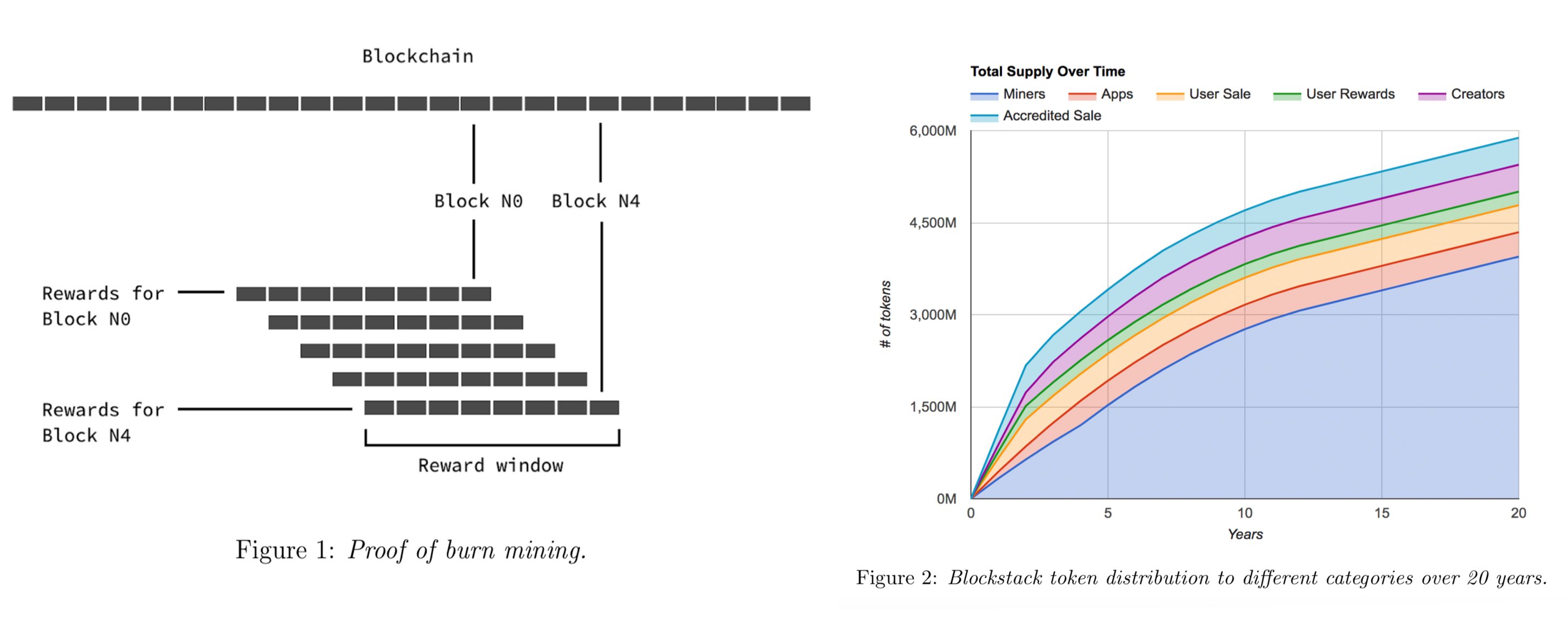
Figures from the Stacks token protocol whitepaper.

A Stacks block is found by using a mechanism called “cryptographic sortition” and each block with the burns from all participants is used to calculate a probability distribution at random. If a participant spends a lot of bitcoin during the burn process and doesn’t receive any incentive, the loss is similar to BTC miners using electricity and losing the block race, Nelson explains. “If you contribute 90% of all burns in an epoch, there’s still a 10% chance that you will lose (but your Bitcoin is destroyed either way,” the developer adds.

Nelson states further:

It’s worth noting though; the burns aren’t truly “wasted” — they still improve the chain quality since their (wasted) burns get used to calculate a “burn quota” which helps slow down attackers.

The Blockstack programmer says the firm is building the chain in this manner because they believe it would be “fruitless” to compete with the security of BTC. Rather the team decided to build on top of the largest PoW chain in order to create a more distributed and censorship-resistant web. Blockstack’s main intentions have always been working toward the decentralization of the internet. Nelson believes it’s even better when there’s a blockchain system that’s verified by individuals and organizations “acting out of rational economic self-interest.” In Hong Kong, Nelson detailed that Stacks version 2 is currently under development during his recent keynote discussion concerning the protocol. At the moment developers can review the two open SIPs or Stacks Improvement Proposals.

What do you think about Blockstack’s Stacks proof-of-burn consensus model? Let us know what you think about this project in the comments section below.


Image credits: Shutterstock, Blockstack, Pixabay, and the Blockstack white paper.


Express yourself freely at Bitcoin.com’s user forums. We don’t censor on political grounds. Check forum.Bitcoin.com.

The post Stacks Network Plans to Leverage BTC’s Proof of Work and Burn Bitcoins appeared first on Bitcoin News.

from Bitcoin News http://bit.ly/2sZ3N5C Stacks Network Plans to Leverage BTC’s Proof of Work and Burn Bitcoins

#Blockchain Fidelity Announces Institutional Crypto Platform is in ‘Final Testing’

Fidelity has published an update announcing that its highly anticipated cryptocurrency exchange and custody platform, Fidelity Digital Asset Services (FDAS), has entered its “final testing” phase. The financial services provider also stated that it is exclusively serving a “select set of eligible clients” while developing the platform.

Also Read: Properties Are Still Being Sold for Cryptocurrency Despite the Bear Market

Fidelity Highlights Institutional Focus for FDAS

The company has emphasized its institutional focus, stating that Fidelity’s “initial clients are an important part” of the “final testing and process refinement periods,” that will enable the company to “provide these services to a broader set of eligible institutions.”

Fidelity added that its discussions with “a variety of institutions” had underscored the perceived demand for “a trusted platform provider to engage with digital assets in a meaningful way.”

Fidelity Announces Institutional Crypto Platform is in 'Final Testing'

The company also stated that its risk and compliance teams are “actively” working with auditors to tighten policies and operational processes, adding that it hopes to “set new benchmarks for this aspect of cryptographic … finance.”

Fidelity described the development process for the platform as comprising both a “challenging and rewarding time.”

No Date for FDAS Launch Despite Rumors of March Target

While Fidelity has not revealed a firm date for the launch of FDAS, much of the cryptocurrency community is anticipating the platform may launch sometime around March.

Fidelity Announces Institutional Crypto Platform is in 'Final Testing'

On. Jan. 29, Bloomberg reported that the company was targeting March as a launch date for its custody service, citing “three people with knowledge of the matter.” At the end of 2018, Tom Jessop, the founding head of Fidelity Digital Assets, stated that the company was then hoping to launch FDAS during the first quarter of 2019.

Do you think that Fidelity will launch its cryptocurrency platform before or after the second quarter begins? Share your thoughts in the comments section below!


Images courtesy of Shutterstock


At Bitcoin.com there’s a bunch of free helpful services. For instance, have you seen our Tools page? You can even lookup the exchange rate for a transaction in the past. Or calculate the value of your current holdings. Or create a paper wallet. And much more.

The post Fidelity Announces Institutional Crypto Platform is in ‘Final Testing’ appeared first on Bitcoin News.

from Bitcoin News http://bit.ly/2RA5gcg Fidelity Announces Institutional Crypto Platform is in ‘Final Testing’

#Blockchain These Payment Gateways Will Enable Your Business to Accept Cryptocurrency

The Best Ways Merchants Can Start Charging Customers in Bitcoin

As more people become interested in the world of cryptocurrency, adoption grows and so does the number of merchants interested in accepting bitcoin payments. Here are some of the easiest methods for integrating bitcoin and other cryptocurrencies into your online business. 

Also read: Wikipedia Now Accepts Bitcoin Cash Donations via Bitpay 

Why Your Business Might Want to Accept Bitcoin

Charging customers in bitcoin can prove beneficial to a business in many ways. For a start, accepting payments via credit card can be expensive, with banks and payment processors typically taking a cut of 3-5 percent. Bitcoin and other cryptocurrencies can actually reduce such fees to less than one percent. In the case of bitcoin cash, fees are usually less than one cent. Bitcoin transactions are also irreversible, so chargebacks or returns, which are common with credit card payments, become a thing of the past. Receiving payments in bitcoin can also dramatically expedite international transactions while minimizing fees, which is ideal for online merchants.

On top of all this, there is immediacy of access to funds. Merchants of course like to have funds available as quickly as possible, as cash flow can make or break a business. Charging customers in bitcoin is one way to facilitate this. These Payment Gateways Will Enable Your Business to Accept Cryptocurrency

How to Get Started

First and foremost, when a business wants to start charging its customers in bitcoin, it needs to make this fact obvious. Just as many businesses, both online and offline, make it clear they accept Mastercard, Visa or Paypal, a merchant accepting bitcoin or other cryptocurrencies will want to display this fact prominently on their website, and particularly at checkout. A brick and mortar store can display their wallet addresses in the form of a QR code at the counter. Hardware terminals and touchscreen apps are other methods for accepting payments.

These Payment Gateways Will Enable Your Business to Accept CryptocurrencySetting prices is also an important matter to consider. When a business accepts bitcoin, it makes sense, at least at this stage of cryptocurrency adoption, to display the corresponding fiat currency price, and charge the customer accordingly, since the value of bitcoin fluctuates. Depending on where the business is based, tax will also have to be taken into account. It makes sense to view any bitcoin received as payment as similar to receiving a cash payment; though somewhat anonymous, it will still have to go through the books like any other payment. One thing to bare in mind is refunds. If a customer requests a refund, the merchant will need to ask for their address in order to send the cash back to them – although some platforms have ways of dealing with this smoothly.

Bitpay

Bitpay is by far the most common method for merchants to accept bitcoin (BTC), bitcoin cash (BCH) and other cryptocurrencies right now. Its system is fast, simple and incurs little risk of volatility for merchants, since Bitpay will handle settlement and automatically convert the crypto into fiat. The cryptocurrency payment processor recently released figures revealing it processed over $1 billion in payments last year. When it comes to refunds, things are simpler with Bitpay and merchants only need an email address in order to return funds to the buyer’s account.

These Payment Gateways Will Enable Your Business to Accept Cryptocurrency

Benefits of Bitpay include its ability to support numerous currencies including the U.S. dollar, euro, pound sterling and Chinese yuan and direct bank deposits.

Coinbase Commerce

Another popular way to accept bitcoin payments is to use Coinbase Commerce. This is ideal for an online business as it enables merchants to accept payments in bitcoin and instantly convert it into fiat to save themselves from price volatility. It’s free, too, unlike receiving payments via credit card. Given the recognition and trust granted to the Coinbase brand, it may make sense for merchants to integrate Coinbase Commerce.

These Payment Gateways Will Enable Your Business to Accept Cryptocurrency

Gocoin

Receiving international payments is much easier when charging customers in bitcoin and other cryptocurrencies. Gocoin is one of the largest crypto payment processing services and supports a number of cryptocurrencies. It offers easy integration in the form of a plugin that businesses can install on their website and has a zero chargeback system.

These Payment Gateways Will Enable Your Business to Accept Cryptocurrency

Btcpay

Open source payment processor Btcpay is particularly useful for more technically accomplished merchants. The processor is essentially a decentralized version of Bitpay and allows easy migration of existing codebase to the merchant’s self-hosted payment processor. Btcpay is helpful for merchants who want to be in control of their own funds and to accept several different cryptocurrencies. The merchant retains complete control of the full node, and payments go directly into their cryptocurrency wallet, which increases privacy and security.

These Payment Gateways Will Enable Your Business to Accept Cryptocurrency

What other cryptocurrency payment processors have you tried? Share your thoughts in the comments section below.


Images courtesy of Shutterstock and Gocoin. 


Disclaimer: Bitcoin.com does not endorse nor support these products/services.

Readers should do their own due diligence before taking any actions related to the mentioned companies or any of their affiliates or services. Bitcoin.com is not responsible, directly or indirectly, for any damage or loss caused or alleged to be caused by or in connection with the use of or reliance on any content, goods or services mentioned in this article.

The post These Payment Gateways Will Enable Your Business to Accept Cryptocurrency appeared first on Bitcoin News.

from Bitcoin News http://bit.ly/2GjFas7 These Payment Gateways Will Enable Your Business to Accept Cryptocurrency