#USA Announcing the agenda for TechCrunch Startup Battlefield Africa

//

We’re bringing Startup Battlefield back to Africa on December 11, and we’re excited to announce our jam-packed agenda that highlights the best and brightest startups in the region.

For months we’ve been poring through hundreds of applications looking for innovative startups based in Africa. It was tough; the competition was fierce. But we were able to find 15 innovative companies to compete for the top prize. Each company will present a six-minute pitch in front of a panel of judges, vying for US$25,000 in no-equity cash. But that’s not all! Winners will receive a trip for two and the opportunity to compete in Startup Battlefield at TechCrunch Disrupt SF in 2019. In addition to Startup Battlefield, we have exciting panels covering many facets of startup funding in Africa, as well as the blockchain.

It’s not too late to buy your tickets to this exciting event. Join us as we crown the next startup champion in Africa. Get your tickets here. We still have a few tricks up our sleeves and will be adding some new names to the agenda over the next few weeks, so keep your eyes open. In the meantime, check out these agenda highlights:

9:30 AM – 10:40 AM

Startup Battlefield Session 1

TechCrunch’s iconic startup competition is back in Africa! Watch as entrepreneurs from around the region pitch expert judges and vie for the Battlefield Cup.

The first preliminary round of five contestants.

10:40 AM – 11:05 AM

Expats, Repats and Africans with Chris Folayan (Mall for Africa), Shikoh Gitau (Safaricom) and Lexi Novitske (Singularity Investments)

Africa’s tech sector is reshaping the movement of people, investment, and talent between the continent and the world. But what are the pros and cons of repatriates returning to launch companies, expats choosing Africa’s tech scene over others, and VCs deploying greater capital to region?

11:20 AM – 11:40 AM

Coming Soon!

11:40 AM – 12:40 PM

Startup Battlefield Session 2

The second preliminary round of five contestants.

1:40 PM – 2:40 PM

Startup Battlefield Session 3

The third preliminary round of five contestants.

2:40 PM – 3:00 PM

Fireside Chat with Funke Opeke (Main One)

Dubbed as the person responsible for powering broadband across all of West Africa, Funke Opeke has become one of the most well-known people in the African tech community. MainOne, a telecoms company Opeke leads as CEO, is responsible for driving internet use across West Africa by investing in digital infrastructures. In this fireside chat, we will what’s next and how to equip entrepreneurs with the necessary resources to build scalable businesses.

3:00 PM – 3:25 PM

Investing in African Startups with  Kola Aina (Ventures Platform), Marieme Diop (Orange Digital Ventures) and Omobola Johnson (TLcom Capital)

Discussing the unique landscape of the African startup ecosystem and what can be learned from Silicon Valley’s approach to venture capital.

3:40 PM – 4:55 PM

Startup Battlefield Final

The final round. One of these five finalists will be the winner of Startup Battlefield.

4:55 PM – 5:15 PM

Coming Soon!

5:15 PM – 5:40 PM

Blockchain’s Potential in Africa with Olugbenga Agboola (Flutterwave), Nichole Yembra (Greenhouse Capital) and Olaoluwa Samuel-Biyi (SureRemit)

As crypto fever gripped many leading economies in 2018, Africa was shaping its own blockchain narrative—one more grounded in utility than speculation. Over the last year, the continent saw several ICOs and token launches. And use cases for blockchain in Africa are emerging to solve problems and unlock potential in agriculture, solar-energy, health-care, government, and beyond.

5:40 PM

Startup Battlefield Closing Awards Ceremony

Watch the announcement of the Startup Battlefield winner.


from Startups – TechCrunch https://ift.tt/2B2SZIB

#USA Announcing the agenda for TechCrunch Startup Battlefield Africa

//

We’re bringing Startup Battlefield back to Africa on December 11, and we’re excited to announce our jam-packed agenda that highlights the best and brightest startups in the region.

For months we’ve been poring through hundreds of applications looking for innovative startups based in Africa. It was tough; the competition was fierce. But we were able to find 15 innovative companies to compete for the top prize. Each company will present a six-minute pitch in front of a panel of judges, vying for US$25,000 in no-equity cash. But that’s not all! Winners will receive a trip for two and the opportunity to compete in Startup Battlefield at TechCrunch Disrupt SF in 2019. In addition to Startup Battlefield, we have exciting panels covering many facets of startup funding in Africa, as well as the blockchain.

It’s not too late to buy your tickets to this exciting event. Join us as we crown the next startup champion in Africa. Get your tickets here. We still have a few tricks up our sleeves and will be adding some new names to the agenda over the next few weeks, so keep your eyes open. In the meantime, check out these agenda highlights:

9:30 AM – 10:40 AM

Startup Battlefield Session 1

TechCrunch’s iconic startup competition is back in Africa! Watch as entrepreneurs from around the region pitch expert judges and vie for the Battlefield Cup.

The first preliminary round of five contestants.

10:40 AM – 11:05 AM

Expats, Repats and Africans with Chris Folayan (Mall for Africa), Shikoh Gitau (Safaricom) and Lexi Novitske (Singularity Investments)

Africa’s tech sector is reshaping the movement of people, investment, and talent between the continent and the world. But what are the pros and cons of repatriates returning to launch companies, expats choosing Africa’s tech scene over others, and VCs deploying greater capital to region?

11:20 AM – 11:40 AM

Coming Soon!

11:40 AM – 12:40 PM

Startup Battlefield Session 2

The second preliminary round of five contestants.

1:40 PM – 2:40 PM

Startup Battlefield Session 3

The third preliminary round of five contestants.

2:40 PM – 3:00 PM

Fireside Chat with Funke Opeke (Main One)

Dubbed as the person responsible for powering broadband across all of West Africa, Funke Opeke has become one of the most well-known people in the African tech community. MainOne, a telecoms company Opeke leads as CEO, is responsible for driving internet use across West Africa by investing in digital infrastructures. In this fireside chat, we will what’s next and how to equip entrepreneurs with the necessary resources to build scalable businesses.

3:00 PM – 3:25 PM

Investing in African Startups with  Kola Aina (Ventures Platform), Marieme Diop (Orange Digital Ventures) and Omobola Johnson (TLcom Capital)

Discussing the unique landscape of the African startup ecosystem and what can be learned from Silicon Valley’s approach to venture capital.

3:40 PM – 4:55 PM

Startup Battlefield Final

The final round. One of these five finalists will be the winner of Startup Battlefield.

4:55 PM – 5:15 PM

Coming Soon!

5:15 PM – 5:40 PM

Blockchain’s Potential in Africa with Olugbenga Agboola (Flutterwave), Nichole Yembra (Greenhouse Capital) and Olaoluwa Samuel-Biyi (SureRemit)

As crypto fever gripped many leading economies in 2018, Africa was shaping its own blockchain narrative—one more grounded in utility than speculation. Over the last year, the continent saw several ICOs and token launches. And use cases for blockchain in Africa are emerging to solve problems and unlock potential in agriculture, solar-energy, health-care, government, and beyond.

5:40 PM

Startup Battlefield Closing Awards Ceremony

Watch the announcement of the Startup Battlefield winner.


from Startups – TechCrunch https://ift.tt/2B2SZIB

#USA Anorak raises £5M Series A for its life insurance advice platform

//

Anorak Technologies, the U.K. startup building a life insurance advice platform, has raised £5 million in Series A funding. Notably, the round is led by previous backer Kamet Ventures, the tech incubator funded by insurance giant AXA. It brings the total raised by Anorak to £9 million.

In a call, co-founder and CEO David Vanek told me the startup’s mission is to build the world’s “smartest” automated life insurance advice platform. It wants to offer insurance advice at the most appropriate time and place in a person’s life, such as when buying a house or starting a family, and in turn open up life insurance cover to many more people.

As it stands, life insurance, such as accidental death cover, tends to be sold through financial advisors or brokers targeting high net worth individuals. That leaves swathes of people and their dependents without any cover at all.

Vanek says the additional capital will be used to “grow our tech, data, product and business development teams,” and to continue to invest in Anorak’s unique recommendation engine, which covers the profiling of users, analysing their risk, and connecting them to a suitable product.

The “insurtech” startup also plans to integrate with more partners in order to build out its distribution infrastructure for life insurance. This will span investment platforms, online mortgage brokers, money management apps, challenger banks, media groups, and gig economy platforms. To test these non-traditional B2B2C routes to market for life insurance advice, Anorak already has API integrations with Starling Bank, and the money management app Yolt.

So, for example, Starling customers can connect Anorak to their Starling account via the bank’s own API to provide Anorak with access to personal details and transaction data. This enables the life insurance advisor to begin building up a profile based on things like rent, mortgage, salary, outgoings etc., to provide accurate advice.

Anorak will also ask any remaining questions needed to fill out missing profiling data. It then outlines what is at risk in case of death or disability, the type of protection that might be needed (life, income protection, etc), how much, and for how long.

Finally, Anorak presents the three best-suited products (from all of the major life insurers) and provides quotes for each of them, as well as the option to apply and buy the product online through Anorak.

Moving forward, Vanek tells me that Anorak wants to expands its tech platform to advisors, such as mortgage brokers and wealths managers, who haven’t previously had tools to help them provide life insurance or accidental injury cover.

The resulting hybrid approach will enable customer journeys to start online and be finalised offline by an agent/adviser using the Anorak platform to access customer data and use the Anorak recommendation engine, or to start offline with advisers using the Anorak platform and continuing online with a dedicated customer portal so clients can visualise or adjust their insurance needs.

“Buying life insurance is not an impulse buy, it is complex, [and] some people will always want to be able to speak to an adviser,” he tells me. “We want to leverage Anorak technology to build a truly ‘channel agnostic’ protection advice.

from Startups – TechCrunch https://ift.tt/2qKzTRo

#USA Fluidly, the ‘intelligent’ cashflow management SaaS for SMEs, picks up £5M Series A

//

Fluidly, the London-based fintech that offers an “intelligent” cashflow management SaaS for SMEs, has raised £5 million in Series A funding. The round is led by New-York based Nyca Partners, with participation from other investors including Octopus Ventures, Anthemis, and angel investors Simon Murdoch, and Charlie Songhurst.

Claiming to define a new software category, namely “Intelligent Cash,” Fluidly want to significantly improve small and medium-sized businesses’ cashflow management. To do this it has built machine learning-based technology to predict and optimise the future cash flows for SMEs, thus helping business owners conduct better financial decision-making. As part of this, you connect Fluidly to your business bank account via Open Banking, and to your cloud accounting software.

“Fluidly is then able to access the transaction-level bank and accounting data and it uses this data to automatically forecast future cash flows by predicting when invoices will arrive, get paid or other payments will be made,” explains co-founder and CEO Caroline Plumb. “This gives a business an instant, continuously updated view of their financial future rather than having to model it in a spreadsheet”.

Since launching a year ago, Fluidly says it is now working with nine of the top twenty U.K. accounting firms as a route to market, including BDO, Baldwins, and Haysmacintyre. The fintech has also formed partnerships with various cloud accounting software providers, and says it is one of the fastest-growing apps on Xero’s marketplace and a “Champion-level” Sage partner.

To that end, businesses sign up for Fluidly on a monthly subscription basis, and Fluidly also sells volume licences to accounting firms and lenders who then in turn offer the SaaS to their own small business clients. Futrli, and Float could be considered competitors, but arguably the humble Excel spreadsheet is Fluidly’s main competitor and a far from optimum solution.

Meanwhile, Plumb tells me the new funding will be invested in product development and engineering to increase the number of platforms that Fluidly can integrate with, and to add new features such as scenario-building and insights to the software’s forecasting ability.

“We’ll be adding smart alerts, scenarios and suggested actions if you might be running into cashflow difficulty,” she says. “We’ll also start to scale our sales and marketing team”.

Adds Hans Morris, Managing Partner at Nyca: “We are thrilled to have joined Fluidly on their journey as they grow into a major AI/ ML player in the financial technology industry. Cashflow management for SME’s is an area that is long overdue for the kind of innovation that Fluidly is providing”.

from Startups – TechCrunch https://ift.tt/2DAQwHO

#USA Okay, one final Form D note

//

Some more comments from readers on the changing culture around startups filing their Form Ds with the SEC, and then a short update on SoftBank and a bunch more article reviews.

We are experimenting with new content forms at TechCrunch. This is a rough draft of something new – provide your feedback directly to the authors: Danny at danny@techcrunch.com or Arman at Arman.Tabatabai@techcrunch.com if you like or hate something here.

Lawyers are pretty uniform that disclosure is no longer ideal

If you haven’t been following our obsession with Form Ds, be sure to read up on our original piece and follow up. The gist is that startups are increasingly foregoing filing a Form D with the SEC that provides details of their venture rounds like investment size and main investors in order to stay stealth longer. That has implications for journalists and the public, since we rely on these filings in many cases to know who is funding what in the Valley.

Morrison Foerster put together a good presentation two years ago that provides an overview of the different routes that startups can take in disclosing their rounds properly.

Traditionally, the vast majority of startups used Rule 506 for their securities, which mandates that a Form D be filed within 15 days of the first money of the round closing. These days though, more and more startups are opting to use Section 4(a)(2), which doesn’t require a Form D, but also doesn’t provide a “blue sky” exception to start securities laws, which means that startups have to file in relevant state jurisdictions and no longer have preemption from the SEC.

David Willbrand, who chairs the Early Stage & Emerging Company Practice at Thompson Hine LLP, read our original articles on Form Ds and explained by email that the practices around securities disclosures have indeed been changing at his firm and others:

We started pushing 4(a)(2) very hard when our clients kept getting “outed” thru the Form D and upset about it. In my experience, for 99% is the desire to remain in stealth mode, period.

[…]

When I started in 1996, Form Ds were paper, there was no internet, and no one looked. Now they are electronic and the media and blogs scrape daily and publish the information. It actually really is true disclosure! And it’s kind of ironic, right, which goes to your point – now that it’s working, these issuers don’t want it.

[…]

What I find is that the proverbial Series A is the brass ring, and issuers wants to call everything seed rounds (saving the title) until something chunky shows up, and stay below the radar too. So they pop out of the cake publicly for the first time with a big “Series A” that they build press around – and their first Form D.

Another piece of feedback we received was from Augie Rakow, the co-founder and managing partner of Atrium, which bills itself as a “better law firm for startups” that TechCrunch has covered a few times before. He wrote to us that in addition to the media concerns, startups also have to be aware of the broad cross-section of interested parties to Form Ds that hasn’t existed in the past:

Today, there is a bigger audience in terms of who cares about venture backed companies. Whether this spun off from the launch of the Facebook movie or the fact that over two billion people across the global have the internet at their fingertips via smartphones, people are connected and curious. The audience is not only larger but also encompasses more national and international interests. This means there are simply more eyes on trends, announcements, and intel on privately held companies whether they are media, investors, or your competitors. Companies that have a good reason to stay stealth may want to avoid attracting this attention by not making a public Form D filing.

For startups, the obvious advice is to just consult your attorney and consider the tradeoffs of having a very clean safe harbor versus more work around regulatory filings to stay stealthy.

But the real message here is for journalists. Form Ds are no longer common among seed-stage startups, and indeed, startup founders and venture investors have a lot of latitude in choosing how and when they file. You can no longer just watch the SEC’s EDGAR search platform and break stories anymore. Building up a human sourcing capability is the only way to get into those early investment rounds today.

Finally — and this is something that is hard to prove one way or the other — the lack of disclosure may also mean that the fears around seed financing dropping off a cliff may be at least a little bit unfounded. Eliot Brown at the Wall Street Journal reported just yesterday that the number of seed financings is down 40% according to PitchBook data. How much of that drop is because of changing macroeconomic conditions, versus changes in filing disclosures?

Quick follow up on SoftBank
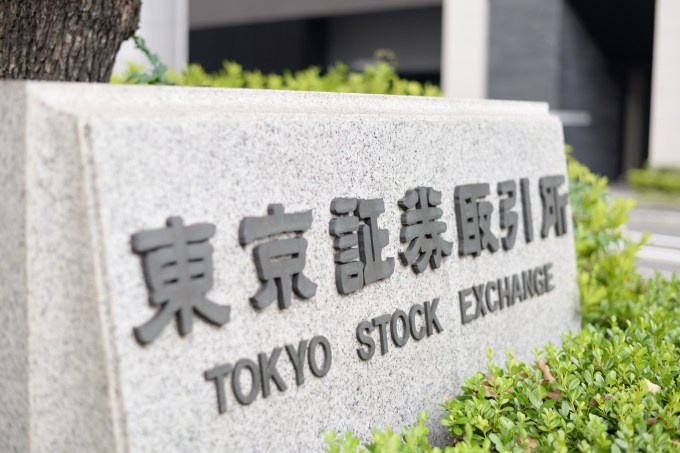
Tokyo Stock Exchange. Photo by electravk via Getty Images

Last week, I also got obsessed with SoftBank. The company confirmed today that it intends to move forward with the IPO of its Japanese mobile telecom unit, according to WSJ and many other sources. The company is targeting more than $20 billion in proceeds, and its overallotment could drive that above $25 billion, or roughly the level of Alibaba’s record IPO haul.

One interesting note from Taiga Uranaka at Reuters on the public issue is that everyday investors will likely play an outsized role in the IPO process:

Yet SoftBank’s brand name is still likely to draw retail investors long accustomed to using SoftBank’s phone and internet services. Many still see CEO Son as a tech visionary who challenged entrenched rivals NTT DoCoMo Inc ( 9437.T ) and KDDI, and brought Apple Inc’s ( AAPL.O ) iPhone to Japan.

Japanese households are commonly seen as an attractive target in IPOs with their 1,829 trillion yen in financial assets, even if they are traditionally risk-averse with over 50 percent of assets in cash and deposits.

More than 80 percent of the shares will be offered to domestic retail investors, a person with knowledge of the matter told Reuters.

Pavel Alpeyev at Bloomberg noted that “SoftBank is looking to tempt investors with a dividend payout ratio of about 85 percent of net income, according to the filing. Based on net income in the last fiscal year, that would work out to an almost 5 percent yield at the indicated IPO price.” A higher dividend ratio is particularly attractive to retired individual investors.

Despite SoftBank’s horrifying levels of debt, Japanese consumers may well save the company from itself and allow it to effectively jump start its balance sheet yet again. Complemented with a potential Vision Fund II, Masayoshi Son’s vision for a completely transformed SoftBank seems waiting for him in the cards.

Notes on Articles

Tech C.E.O.s Are in Love With Their Principal Doomsayer – Nellie Bowles writes a feature on Yuval Noah Harari, the noted philosopher and popular author of Sapiens. Bowles investigates the paradoxical popularity of Harari, who sees technology as creating a permanent “useless class” and criticizes Silicon Valley with his now enduring popularity in the region. Interesting personal details on the somewhat reclusive Israeli, but ultimately the question of the paradox remains sadly mostly unanswered. (2,800 words)

Why Doctors Hate Their Computers – Atul Gawande discusses learning and using Epic, the dominant electronic medical records software platform, and discovers the challenges of building static software for the complex adaptive system that is health care. His observations of the challenges of software engineering will be well-known to anyone who has read Fred Brooks, but the piece does an excellent job of exploring the balancing act between the needs of technocratic systems and the human design needed to make messy and complicated professions work. Worth a read. (8,900 words)

Picking flowers, making honey: The Chinese military’s collaboration with foreign universities – An excellent study by Alex Joske at the Australia Strategic Policy Institute on the hundreds of military scientists from China who use foreign academic exchanges as a means of information acquisition for critical scientific and engineering knowledge, including in the United States. China’s government under Xi Jinping has made indigenous technology development a chief domestic priority, and the U.S. innovation economy is encouraged to increasingly guard its intellectual property. (6,500 words)

The Digital Deciders – New America report by Robert Morgus who investigates the fracturing of the internet, which I have written about at some length. Morgus finds that a small group of countries (the “digital deciders”) will determine whether the internet continues to be open or whether nationalist interests will close it off. Let’s all hope that Iraq believes in freedom of expression and not Chinese-style surveillance. Worth a skim. (45 page report, but with prodigious tables)

Reading Docket

from Startups – TechCrunch https://ift.tt/2z3vwpe

#USA Okay, one final Form D note

//

Some more comments from readers on the changing culture around startups filing their Form Ds with the SEC, and then a short update on SoftBank and a bunch more article reviews.

We are experimenting with new content forms at TechCrunch. This is a rough draft of something new – provide your feedback directly to the authors: Danny at danny@techcrunch.com or Arman at Arman.Tabatabai@techcrunch.com if you like or hate something here.

Lawyers are pretty uniform that disclosure is no longer ideal

If you haven’t been following our obsession with Form Ds, be sure to read up on our original piece and follow up. The gist is that startups are increasingly foregoing filing a Form D with the SEC that provides details of their venture rounds like investment size and main investors in order to stay stealth longer. That has implications for journalists and the public, since we rely on these filings in many cases to know who is funding what in the Valley.

Morrison Foerster put together a good presentation two years ago that provides an overview of the different routes that startups can take in disclosing their rounds properly.

Traditionally, the vast majority of startups used Rule 506 for their securities, which mandates that a Form D be filed within 15 days of the first money of the round closing. These days though, more and more startups are opting to use Section 4(a)(2), which doesn’t require a Form D, but also doesn’t provide a “blue sky” exception to start securities laws, which means that startups have to file in relevant state jurisdictions and no longer have preemption from the SEC.

David Willbrand, who chairs the Early Stage & Emerging Company Practice at Thompson Hine LLP, read our original articles on Form Ds and explained by email that the practices around securities disclosures have indeed been changing at his firm and others:

We started pushing 4(a)(2) very hard when our clients kept getting “outed” thru the Form D and upset about it. In my experience, for 99% is the desire to remain in stealth mode, period.

[…]

When I started in 1996, Form Ds were paper, there was no internet, and no one looked. Now they are electronic and the media and blogs scrape daily and publish the information. It actually really is true disclosure! And it’s kind of ironic, right, which goes to your point – now that it’s working, these issuers don’t want it.

[…]

What I find is that the proverbial Series A is the brass ring, and issuers wants to call everything seed rounds (saving the title) until something chunky shows up, and stay below the radar too. So they pop out of the cake publicly for the first time with a big “Series A” that they build press around – and their first Form D.

Another piece of feedback we received was from Augie Rakow, the co-founder and managing partner of Atrium, which bills itself as a “better law firm for startups” that TechCrunch has covered a few times before. He wrote to us that in addition to the media concerns, startups also have to be aware of the broad cross-section of interested parties to Form Ds that hasn’t existed in the past:

Today, there is a bigger audience in terms of who cares about venture backed companies. Whether this spun off from the launch of the Facebook movie or the fact that over two billion people across the global have the internet at their fingertips via smartphones, people are connected and curious. The audience is not only larger but also encompasses more national and international interests. This means there are simply more eyes on trends, announcements, and intel on privately held companies whether they are media, investors, or your competitors. Companies that have a good reason to stay stealth may want to avoid attracting this attention by not making a public Form D filing.

For startups, the obvious advice is to just consult your attorney and consider the tradeoffs of having a very clean safe harbor versus more work around regulatory filings to stay stealthy.

But the real message here is for journalists. Form Ds are no longer common among seed-stage startups, and indeed, startup founders and venture investors have a lot of latitude in choosing how and when they file. You can no longer just watch the SEC’s EDGAR search platform and break stories anymore. Building up a human sourcing capability is the only way to get into those early investment rounds today.

Finally — and this is something that is hard to prove one way or the other — the lack of disclosure may also mean that the fears around seed financing dropping off a cliff may be at least a little bit unfounded. Eliot Brown at the Wall Street Journal reported just yesterday that the number of seed financings is down 40% according to PitchBook data. How much of that drop is because of changing macroeconomic conditions, versus changes in filing disclosures?

Quick follow up on SoftBank

Tokyo Stock Exchange. Photo by electravk via Getty Images

Last week, I also got obsessed with SoftBank. The company confirmed today that it intends to move forward with the IPO of its Japanese mobile telecom unit, according to WSJ and many other sources. The company is targeting more than $20 billion in proceeds, and its overallotment could drive that above $25 billion, or roughly the level of Alibaba’s record IPO haul.

One interesting note from Taiga Uranaka at Reuters on the public issue is that everyday investors will likely play an outsized role in the IPO process:

Yet SoftBank’s brand name is still likely to draw retail investors long accustomed to using SoftBank’s phone and internet services. Many still see CEO Son as a tech visionary who challenged entrenched rivals NTT DoCoMo Inc ( 9437.T ) and KDDI, and brought Apple Inc’s ( AAPL.O ) iPhone to Japan.

Japanese households are commonly seen as an attractive target in IPOs with their 1,829 trillion yen in financial assets, even if they are traditionally risk-averse with over 50 percent of assets in cash and deposits.

More than 80 percent of the shares will be offered to domestic retail investors, a person with knowledge of the matter told Reuters.

Pavel Alpeyev at Bloomberg noted that “SoftBank is looking to tempt investors with a dividend payout ratio of about 85 percent of net income, according to the filing. Based on net income in the last fiscal year, that would work out to an almost 5 percent yield at the indicated IPO price.” A higher dividend ratio is particularly attractive to retired individual investors.

Despite SoftBank’s horrifying levels of debt, Japanese consumers may well save the company from itself and allow it to effectively jump start its balance sheet yet again. Complemented with a potential Vision Fund II, Masayoshi Son’s vision for a completely transformed SoftBank seems waiting for him in the cards.

Notes on Articles

Tech C.E.O.s Are in Love With Their Principal Doomsayer – Nellie Bowles writes a feature on Yuval Noah Harari, the noted philosopher and popular author of Sapiens. Bowles investigates the paradoxical popularity of Harari, who sees technology as creating a permanent “useless class” and criticizes Silicon Valley with his now enduring popularity in the region. Interesting personal details on the somewhat reclusive Israeli, but ultimately the question of the paradox remains sadly mostly unanswered. (2,800 words)

Why Doctors Hate Their Computers – Atul Gawande discusses learning and using Epic, the dominant electronic medical records software platform, and discovers the challenges of building static software for the complex adaptive system that is health care. His observations of the challenges of software engineering will be well-known to anyone who has read Fred Brooks, but the piece does an excellent job of exploring the balancing act between the needs of technocratic systems and the human design needed to make messy and complicated professions work. Worth a read. (8,900 words)

Picking flowers, making honey: The Chinese military’s collaboration with foreign universities – An excellent study by Alex Joske at the Australia Strategic Policy Institute on the hundreds of military scientists from China who use foreign academic exchanges as a means of information acquisition for critical scientific and engineering knowledge, including in the United States. China’s government under Xi Jinping has made indigenous technology development a chief domestic priority, and the U.S. innovation economy is encouraged to increasingly guard its intellectual property. (6,500 words)

The Digital Deciders – New America report by Robert Morgus who investigates the fracturing of the internet, which I have written about at some length. Morgus finds that a small group of countries (the “digital deciders”) will determine whether the internet continues to be open or whether nationalist interests will close it off. Let’s all hope that Iraq believes in freedom of expression and not Chinese-style surveillance. Worth a skim. (45 page report, but with prodigious tables)

Reading Docket

from Startups – TechCrunch https://ift.tt/2z3vwpe

#USA Okay, one final Form D note

//

Some more comments from readers on the changing culture around startups filing their Form Ds with the SEC, and then a short update on SoftBank and a bunch more article reviews.

We are experimenting with new content forms at TechCrunch. This is a rough draft of something new – provide your feedback directly to the authors: Danny at danny@techcrunch.com or Arman at Arman.Tabatabai@techcrunch.com if you like or hate something here.

Lawyers are pretty uniform that disclosure is no longer ideal

If you haven’t been following our obsession with Form Ds, be sure to read up on our original piece and follow up. The gist is that startups are increasingly foregoing filing a Form D with the SEC that provides details of their venture rounds like investment size and main investors in order to stay stealth longer. That has implications for journalists and the public, since we rely on these filings in many cases to know who is funding what in the Valley.

Morrison Foerster put together a good presentation two years ago that provides an overview of the different routes that startups can take in disclosing their rounds properly.

Traditionally, the vast majority of startups used Rule 506 for their securities, which mandates that a Form D be filed within 15 days of the first money of the round closing. These days though, more and more startups are opting to use Section 4(a)(2), which doesn’t require a Form D, but also doesn’t provide a “blue sky” exception to start securities laws, which means that startups have to file in relevant state jurisdictions and no longer have preemption from the SEC.

David Willbrand, who chairs the Early Stage & Emerging Company Practice at Thompson Hine LLP, read our original articles on Form Ds and explained by email that the practices around securities disclosures have indeed been changing at his firm and others:

We started pushing 4(a)(2) very hard when our clients kept getting “outed” thru the Form D and upset about it. In my experience, for 99% is the desire to remain in stealth mode, period.

[…]

When I started in 1996, Form Ds were paper, there was no internet, and no one looked. Now they are electronic and the media and blogs scrape daily and publish the information. It actually really is true disclosure! And it’s kind of ironic, right, which goes to your point – now that it’s working, these issuers don’t want it.

[…]

What I find is that the proverbial Series A is the brass ring, and issuers wants to call everything seed rounds (saving the title) until something chunky shows up, and stay below the radar too. So they pop out of the cake publicly for the first time with a big “Series A” that they build press around – and their first Form D.

Another piece of feedback we received was from Augie Rakow, the co-founder and managing partner of Atrium, which bills itself as a “better law firm for startups” that TechCrunch has covered a few times before. He wrote to us that in addition to the media concerns, startups also have to be aware of the broad cross-section of interested parties to Form Ds that hasn’t existed in the past:

Today, there is a bigger audience in terms of who cares about venture backed companies. Whether this spun off from the launch of the Facebook movie or the fact that over two billion people across the global have the internet at their fingertips via smartphones, people are connected and curious. The audience is not only larger but also encompasses more national and international interests. This means there are simply more eyes on trends, announcements, and intel on privately held companies whether they are media, investors, or your competitors. Companies that have a good reason to stay stealth may want to avoid attracting this attention by not making a public Form D filing.

For startups, the obvious advice is to just consult your attorney and consider the tradeoffs of having a very clean safe harbor versus more work around regulatory filings to stay stealthy.

But the real message here is for journalists. Form Ds are no longer common among seed-stage startups, and indeed, startup founders and venture investors have a lot of latitude in choosing how and when they file. You can no longer just watch the SEC’s EDGAR search platform and break stories anymore. Building up a human sourcing capability is the only way to get into those early investment rounds today.

Finally — and this is something that is hard to prove one way or the other — the lack of disclosure may also mean that the fears around seed financing dropping off a cliff may be at least a little bit unfounded. Eliot Brown at the Wall Street Journal reported just yesterday that the number of seed financings is down 40% according to PitchBook data. How much of that drop is because of changing macroeconomic conditions, versus changes in filing disclosures?

Quick follow up on SoftBank

Tokyo Stock Exchange. Photo by electravk via Getty Images

Last week, I also got obsessed with SoftBank. The company confirmed today that it intends to move forward with the IPO of its Japanese mobile telecom unit, according to WSJ and many other sources. The company is targeting more than $20 billion in proceeds, and its overallotment could drive that above $25 billion, or roughly the level of Alibaba’s record IPO haul.

One interesting note from Taiga Uranaka at Reuters on the public issue is that everyday investors will likely play an outsized role in the IPO process:

Yet SoftBank’s brand name is still likely to draw retail investors long accustomed to using SoftBank’s phone and internet services. Many still see CEO Son as a tech visionary who challenged entrenched rivals NTT DoCoMo Inc ( 9437.T ) and KDDI, and brought Apple Inc’s ( AAPL.O ) iPhone to Japan.

Japanese households are commonly seen as an attractive target in IPOs with their 1,829 trillion yen in financial assets, even if they are traditionally risk-averse with over 50 percent of assets in cash and deposits.

More than 80 percent of the shares will be offered to domestic retail investors, a person with knowledge of the matter told Reuters.

Pavel Alpeyev at Bloomberg noted that “SoftBank is looking to tempt investors with a dividend payout ratio of about 85 percent of net income, according to the filing. Based on net income in the last fiscal year, that would work out to an almost 5 percent yield at the indicated IPO price.” A higher dividend ratio is particularly attractive to retired individual investors.

Despite SoftBank’s horrifying levels of debt, Japanese consumers may well save the company from itself and allow it to effectively jump start its balance sheet yet again. Complemented with a potential Vision Fund II, Masayoshi Son’s vision for a completely transformed SoftBank seems waiting for him in the cards.

Notes on Articles

Tech C.E.O.s Are in Love With Their Principal Doomsayer – Nellie Bowles writes a feature on Yuval Noah Harari, the noted philosopher and popular author of Sapiens. Bowles investigates the paradoxical popularity of Harari, who sees technology as creating a permanent “useless class” and criticizes Silicon Valley with his now enduring popularity in the region. Interesting personal details on the somewhat reclusive Israeli, but ultimately the question of the paradox remains sadly mostly unanswered. (2,800 words)

Why Doctors Hate Their Computers – Atul Gawande discusses learning and using Epic, the dominant electronic medical records software platform, and discovers the challenges of building static software for the complex adaptive system that is health care. His observations of the challenges of software engineering will be well-known to anyone who has read Fred Brooks, but the piece does an excellent job of exploring the balancing act between the needs of technocratic systems and the human design needed to make messy and complicated professions work. Worth a read. (8,900 words)

Picking flowers, making honey: The Chinese military’s collaboration with foreign universities – An excellent study by Alex Joske at the Australia Strategic Policy Institute on the hundreds of military scientists from China who use foreign academic exchanges as a means of information acquisition for critical scientific and engineering knowledge, including in the United States. China’s government under Xi Jinping has made indigenous technology development a chief domestic priority, and the U.S. innovation economy is encouraged to increasingly guard its intellectual property. (6,500 words)

The Digital Deciders – New America report by Robert Morgus who investigates the fracturing of the internet, which I have written about at some length. Morgus finds that a small group of countries (the “digital deciders”) will determine whether the internet continues to be open or whether nationalist interests will close it off. Let’s all hope that Iraq believes in freedom of expression and not Chinese-style surveillance. Worth a skim. (45 page report, but with prodigious tables)

Reading Docket

from Startups – TechCrunch https://ift.tt/2z3vwpe

#USA Okay, one final Form D note

//

Some more comments from readers on the changing culture around startups filing their Form Ds with the SEC, and then a short update on SoftBank and a bunch more article reviews.

We are experimenting with new content forms at TechCrunch. This is a rough draft of something new – provide your feedback directly to the authors: Danny at danny@techcrunch.com or Arman at Arman.Tabatabai@techcrunch.com if you like or hate something here.

Lawyers are pretty uniform that disclosure is no longer ideal

If you haven’t been following our obsession with Form Ds, be sure to read up on our original piece and follow up. The gist is that startups are increasingly foregoing filing a Form D with the SEC that provides details of their venture rounds like investment size and main investors in order to stay stealth longer. That has implications for journalists and the public, since we rely on these filings in many cases to know who is funding what in the Valley.

Morrison Foerster put together a good presentation two years ago that provides an overview of the different routes that startups can take in disclosing their rounds properly.

Traditionally, the vast majority of startups used Rule 506 for their securities, which mandates that a Form D be filed within 15 days of the first money of the round closing. These days though, more and more startups are opting to use Section 4(a)(2), which doesn’t require a Form D, but also doesn’t provide a “blue sky” exception to start securities laws, which means that startups have to file in relevant state jurisdictions and no longer have preemption from the SEC.

David Willbrand, who chairs the Early Stage & Emerging Company Practice at Thompson Hine LLP, read our original articles on Form Ds and explained by email that the practices around securities disclosures have indeed been changing at his firm and others:

We started pushing 4(a)(2) very hard when our clients kept getting “outed” thru the Form D and upset about it. In my experience, for 99% is the desire to remain in stealth mode, period.

[…]

When I started in 1996, Form Ds were paper, there was no internet, and no one looked. Now they are electronic and the media and blogs scrape daily and publish the information. It actually really is true disclosure! And it’s kind of ironic, right, which goes to your point – now that it’s working, these issuers don’t want it.

[…]

What I find is that the proverbial Series A is the brass ring, and issuers wants to call everything seed rounds (saving the title) until something chunky shows up, and stay below the radar too. So they pop out of the cake publicly for the first time with a big “Series A” that they build press around – and their first Form D.

Another piece of feedback we received was from Augie Rakow, the co-founder and managing partner of Atrium, which bills itself as a “better law firm for startups” that TechCrunch has covered a few times before. He wrote to us that in addition to the media concerns, startups also have to be aware of the broad cross-section of interested parties to Form Ds that hasn’t existed in the past:

Today, there is a bigger audience in terms of who cares about venture backed companies. Whether this spun off from the launch of the Facebook movie or the fact that over two billion people across the global have the internet at their fingertips via smartphones, people are connected and curious. The audience is not only larger but also encompasses more national and international interests. This means there are simply more eyes on trends, announcements, and intel on privately held companies whether they are media, investors, or your competitors. Companies that have a good reason to stay stealth may want to avoid attracting this attention by not making a public Form D filing.

For startups, the obvious advice is to just consult your attorney and consider the tradeoffs of having a very clean safe harbor versus more work around regulatory filings to stay stealthy.

But the real message here is for journalists. Form Ds are no longer common among seed-stage startups, and indeed, startup founders and venture investors have a lot of latitude in choosing how and when they file. You can no longer just watch the SEC’s EDGAR search platform and break stories anymore. Building up a human sourcing capability is the only way to get into those early investment rounds today.

Finally — and this is something that is hard to prove one way or the other — the lack of disclosure may also mean that the fears around seed financing dropping off a cliff may be at least a little bit unfounded. Eliot Brown at the Wall Street Journal reported just yesterday that the number of seed financings is down 40% according to PitchBook data. How much of that drop is because of changing macroeconomic conditions, versus changes in filing disclosures?

Quick follow up on SoftBank

Tokyo Stock Exchange. Photo by electravk via Getty Images

Last week, I also got obsessed with SoftBank. The company confirmed today that it intends to move forward with the IPO of its Japanese mobile telecom unit, according to WSJ and many other sources. The company is targeting more than $20 billion in proceeds, and its overallotment could drive that above $25 billion, or roughly the level of Alibaba’s record IPO haul.

One interesting note from Taiga Uranaka at Reuters on the public issue is that everyday investors will likely play an outsized role in the IPO process:

Yet SoftBank’s brand name is still likely to draw retail investors long accustomed to using SoftBank’s phone and internet services. Many still see CEO Son as a tech visionary who challenged entrenched rivals NTT DoCoMo Inc ( 9437.T ) and KDDI, and brought Apple Inc’s ( AAPL.O ) iPhone to Japan.

Japanese households are commonly seen as an attractive target in IPOs with their 1,829 trillion yen in financial assets, even if they are traditionally risk-averse with over 50 percent of assets in cash and deposits.

More than 80 percent of the shares will be offered to domestic retail investors, a person with knowledge of the matter told Reuters.

Pavel Alpeyev at Bloomberg noted that “SoftBank is looking to tempt investors with a dividend payout ratio of about 85 percent of net income, according to the filing. Based on net income in the last fiscal year, that would work out to an almost 5 percent yield at the indicated IPO price.” A higher dividend ratio is particularly attractive to retired individual investors.

Despite SoftBank’s horrifying levels of debt, Japanese consumers may well save the company from itself and allow it to effectively jump start its balance sheet yet again. Complemented with a potential Vision Fund II, Masayoshi Son’s vision for a completely transformed SoftBank seems waiting for him in the cards.

Notes on Articles

Tech C.E.O.s Are in Love With Their Principal Doomsayer – Nellie Bowles writes a feature on Yuval Noah Harari, the noted philosopher and popular author of Sapiens. Bowles investigates the paradoxical popularity of Harari, who sees technology as creating a permanent “useless class” and criticizes Silicon Valley with his now enduring popularity in the region. Interesting personal details on the somewhat reclusive Israeli, but ultimately the question of the paradox remains sadly mostly unanswered. (2,800 words)

Why Doctors Hate Their Computers – Atul Gawande discusses learning and using Epic, the dominant electronic medical records software platform, and discovers the challenges of building static software for the complex adaptive system that is health care. His observations of the challenges of software engineering will be well-known to anyone who has read Fred Brooks, but the piece does an excellent job of exploring the balancing act between the needs of technocratic systems and the human design needed to make messy and complicated professions work. Worth a read. (8,900 words)

Picking flowers, making honey: The Chinese military’s collaboration with foreign universities – An excellent study by Alex Joske at the Australia Strategic Policy Institute on the hundreds of military scientists from China who use foreign academic exchanges as a means of information acquisition for critical scientific and engineering knowledge, including in the United States. China’s government under Xi Jinping has made indigenous technology development a chief domestic priority, and the U.S. innovation economy is encouraged to increasingly guard its intellectual property. (6,500 words)

The Digital Deciders – New America report by Robert Morgus who investigates the fracturing of the internet, which I have written about at some length. Morgus finds that a small group of countries (the “digital deciders”) will determine whether the internet continues to be open or whether nationalist interests will close it off. Let’s all hope that Iraq believes in freedom of expression and not Chinese-style surveillance. Worth a skim. (45 page report, but with prodigious tables)

Reading Docket

from Startups – TechCrunch https://ift.tt/2z3vwpe

#USA Okay, one final Form D note

//

Some more comments from readers on the changing culture around startups filing their Form Ds with the SEC, and then a short update on SoftBank and a bunch more article reviews.

We are experimenting with new content forms at TechCrunch. This is a rough draft of something new – provide your feedback directly to the authors: Danny at danny@techcrunch.com or Arman at Arman.Tabatabai@techcrunch.com if you like or hate something here.

Lawyers are pretty uniform that disclosure is no longer ideal

If you haven’t been following our obsession with Form Ds, be sure to read up on our original piece and follow up. The gist is that startups are increasingly foregoing filing a Form D with the SEC that provides details of their venture rounds like investment size and main investors in order to stay stealth longer. That has implications for journalists and the public, since we rely on these filings in many cases to know who is funding what in the Valley.

Morrison Foerster put together a good presentation two years ago that provides an overview of the different routes that startups can take in disclosing their rounds properly.

Traditionally, the vast majority of startups used Rule 506 for their securities, which mandates that a Form D be filed within 15 days of the first money of the round closing. These days though, more and more startups are opting to use Section 4(a)(2), which doesn’t require a Form D, but also doesn’t provide a “blue sky” exception to start securities laws, which means that startups have to file in relevant state jurisdictions and no longer have preemption from the SEC.

David Willbrand, who chairs the Early Stage & Emerging Company Practice at Thompson Hine LLP, read our original articles on Form Ds and explained by email that the practices around securities disclosures have indeed been changing at his firm and others:

We started pushing 4(a)(2) very hard when our clients kept getting “outed” thru the Form D and upset about it. In my experience, for 99% is the desire to remain in stealth mode, period.

[…]

When I started in 1996, Form Ds were paper, there was no internet, and no one looked. Now they are electronic and the media and blogs scrape daily and publish the information. It actually really is true disclosure! And it’s kind of ironic, right, which goes to your point – now that it’s working, these issuers don’t want it.

[…]

What I find is that the proverbial Series A is the brass ring, and issuers wants to call everything seed rounds (saving the title) until something chunky shows up, and stay below the radar too. So they pop out of the cake publicly for the first time with a big “Series A” that they build press around – and their first Form D.

Another piece of feedback we received was from Augie Rakow, the co-founder and managing partner of Atrium, which bills itself as a “better law firm for startups” that TechCrunch has covered a few times before. He wrote to us that in addition to the media concerns, startups also have to be aware of the broad cross-section of interested parties to Form Ds that hasn’t existed in the past:

Today, there is a bigger audience in terms of who cares about venture backed companies. Whether this spun off from the launch of the Facebook movie or the fact that over two billion people across the global have the internet at their fingertips via smartphones, people are connected and curious. The audience is not only larger but also encompasses more national and international interests. This means there are simply more eyes on trends, announcements, and intel on privately held companies whether they are media, investors, or your competitors. Companies that have a good reason to stay stealth may want to avoid attracting this attention by not making a public Form D filing.

For startups, the obvious advice is to just consult your attorney and consider the tradeoffs of having a very clean safe harbor versus more work around regulatory filings to stay stealthy.

But the real message here is for journalists. Form Ds are no longer common among seed-stage startups, and indeed, startup founders and venture investors have a lot of latitude in choosing how and when they file. You can no longer just watch the SEC’s EDGAR search platform and break stories anymore. Building up a human sourcing capability is the only way to get into those early investment rounds today.

Finally — and this is something that is hard to prove one way or the other — the lack of disclosure may also mean that the fears around seed financing dropping off a cliff may be at least a little bit unfounded. Eliot Brown at the Wall Street Journal reported just yesterday that the number of seed financings is down 40% according to PitchBook data. How much of that drop is because of changing macroeconomic conditions, versus changes in filing disclosures?

Quick follow up on SoftBank

Tokyo Stock Exchange. Photo by electravk via Getty Images

Last week, I also got obsessed with SoftBank. The company confirmed today that it intends to move forward with the IPO of its Japanese mobile telecom unit, according to WSJ and many other sources. The company is targeting more than $20 billion in proceeds, and its overallotment could drive that above $25 billion, or roughly the level of Alibaba’s record IPO haul.

One interesting note from Taiga Uranaka at Reuters on the public issue is that everyday investors will likely play an outsized role in the IPO process:

Yet SoftBank’s brand name is still likely to draw retail investors long accustomed to using SoftBank’s phone and internet services. Many still see CEO Son as a tech visionary who challenged entrenched rivals NTT DoCoMo Inc ( 9437.T ) and KDDI, and brought Apple Inc’s ( AAPL.O ) iPhone to Japan.

Japanese households are commonly seen as an attractive target in IPOs with their 1,829 trillion yen in financial assets, even if they are traditionally risk-averse with over 50 percent of assets in cash and deposits.

More than 80 percent of the shares will be offered to domestic retail investors, a person with knowledge of the matter told Reuters.

Pavel Alpeyev at Bloomberg noted that “SoftBank is looking to tempt investors with a dividend payout ratio of about 85 percent of net income, according to the filing. Based on net income in the last fiscal year, that would work out to an almost 5 percent yield at the indicated IPO price.” A higher dividend ratio is particularly attractive to retired individual investors.

Despite SoftBank’s horrifying levels of debt, Japanese consumers may well save the company from itself and allow it to effectively jump start its balance sheet yet again. Complemented with a potential Vision Fund II, Masayoshi Son’s vision for a completely transformed SoftBank seems waiting for him in the cards.

Notes on Articles

Tech C.E.O.s Are in Love With Their Principal Doomsayer – Nellie Bowles writes a feature on Yuval Noah Harari, the noted philosopher and popular author of Sapiens. Bowles investigates the paradoxical popularity of Harari, who sees technology as creating a permanent “useless class” and criticizes Silicon Valley with his now enduring popularity in the region. Interesting personal details on the somewhat reclusive Israeli, but ultimately the question of the paradox remains sadly mostly unanswered. (2,800 words)

Why Doctors Hate Their Computers – Atul Gawande discusses learning and using Epic, the dominant electronic medical records software platform, and discovers the challenges of building static software for the complex adaptive system that is health care. His observations of the challenges of software engineering will be well-known to anyone who has read Fred Brooks, but the piece does an excellent job of exploring the balancing act between the needs of technocratic systems and the human design needed to make messy and complicated professions work. Worth a read. (8,900 words)

Picking flowers, making honey: The Chinese military’s collaboration with foreign universities – An excellent study by Alex Joske at the Australia Strategic Policy Institute on the hundreds of military scientists from China who use foreign academic exchanges as a means of information acquisition for critical scientific and engineering knowledge, including in the United States. China’s government under Xi Jinping has made indigenous technology development a chief domestic priority, and the U.S. innovation economy is encouraged to increasingly guard its intellectual property. (6,500 words)

The Digital Deciders – New America report by Robert Morgus who investigates the fracturing of the internet, which I have written about at some length. Morgus finds that a small group of countries (the “digital deciders”) will determine whether the internet continues to be open or whether nationalist interests will close it off. Let’s all hope that Iraq believes in freedom of expression and not Chinese-style surveillance. Worth a skim. (45 page report, but with prodigious tables)

Reading Docket

from Startups – TechCrunch https://ift.tt/2z3vwpe

#USA BlaBlaCar to acquire Ouibus and offer bus service

//

French startup BlaBlaCar is announcing plans to acquire Ouibus, the bus division of France’s national railway company SNCF. For the first time, BlaBlaCar is moving beyond carpooling and plans to offer both long-distance carpooling rides and bus rides.

BlaBlaCar already ran a test with Ouibus for the past six months on popular corridors. It looks like both companies are happy with this test as SNCF is willing to let BlaBlaCar run Ouibus from now on.

As part of this deal, BlaBlaCar is announcing a new $114 million investment (€101 million) from SNCF and existing BlaBlaCar investors. I’d guess that this isn’t just cash but probably cash and shares as part of the move with SNCF. Yes, you read that correctly, SNCF is now an investor in BlaBlaCar.

Ouibus has transported over 12 million passengers over the past few years in France and Europe. Many thoughts that buses would hurt BlaBlaCar over the long run. By offering buses on BlaBlaCar directly, the company can capitalize on its brand and huge community to counter that trend. BlaBlaCar is now a marketplace for road travel.

BlaBlaCar is taking a risk as Ouibus has been relentlessly losing money. Just like other bus companies, Ouibus relies heavily on contractors, which means that BlaBlaCar could quickly adjust the offering. It’ll also depend on product integrations on BlaBlaCar, OUI.sncf and other platforms.

BlaBlaCar currently has 65 million users in 22 countries and is about to reach profitability. And you can expect to find ride-sharing offers on OUI.sncf in the coming months.

from Startups – TechCrunch https://ift.tt/2PUB7I7