#Blockchain PR: trade.io Enables Purchase of Cryptocurrencies With USD and EUR

trade.io Enables Purchase of Cryptocurrencies With USD and EUR

This is a paid press release, which contains forward looking statements, and should be treated as advertising or promotional material. Bitcoin.com is not responsible for or liable for any content, accuracy or quality within the press release.

Monday, February the 4th, 2019, Hong Kong, Crypto exchange trade.io has announced a partnership with payment processor Simplex, enabling clients to purchase a range of popular cryptocurrencies by credit or debit card.

Initially, the solution will support the purchase of Bitcoin (BTC), Ethereum (ETH), Litecoin (LTC), & Bitcoin Cash (BCH) with USD or EUR. Management of trade.io have also confirmed that more coins and currencies will be added for purchase at a later stage.

This partnership with Simplex, a leading EU-licensed payment services provider, provides a regulated and secure framework through which trade.io’s client base can easily and conveniently invest or trade in cryptocurrencies.

With this move, trade.io demonstrably provides its support to investors of traditional financial instruments who wish to access the cryptocurrency industry – an industry notorious for its high barriers of entry and complicated onboarding processes.

William Heyn, CEO of trade.io commented: “It’s no secret that newcomers to the crypto world are hindered by complicated onboarding processes. Through this partnership, we aim to simplify unnecessarily difficult transactions, thereby throwing open the doors to crypto newbies whilst providing added value to our existing client base.”

This introduction of fiat purchases, drastically minimizes any obstacles presented to current and potential clients on the trade.io exchange, making the company a one-stop-shop for purchasing and trading crypto.

“Since foundation, Simplex has worked with leading exchanges to make mainstream entry to the crypto world simpler. Our fraud-free payment processing solution provides crypto merchants with a risk-free way to accept credit and debit cards, making the payment process seamless and familiar for mainstream” said Nimrod Lehavi, CEO and Co-Founder of Simplex, adding that “doing so will make it easier for mainstream users to enter the crypto world, growing the industry and transforming the financial space.”

About trade.io
trade.io is a next-generation financial institution based on blockchain technology, comprised
of its Exchange, Consulting Services, Incubator and Liquidity Pool which allows holders of its
utility token “TIOx” the ability to participate in the growth of the company. By leveraging
decades of experience in the investment banking, trading, fintech and compliance and
combining them with the power and transparency of the distributed ledger, trade.io has
created a truly unique platform built to grow and adapt as the blockchain industry continues
to mature.

About Simplex:

Simplex is a FinTech company providing guaranteed fraudless payment processing solutions. Simplex processes credit card payments with a 100% zero fraud guarantee – in case of a chargeback, the merchant gets paid by Simplex. The cutting-edge Simplex fraud prevention solution and proprietary state-of-the-art AI technology stops fraudulent transactions and allows more legitimate ones to complete payments with ease and speed while increasing conversion rates and enabling merchants to focus on their business growth.

Simplex’s HQ is located in Israel, with subsidiaries in the UK, US, and Lithuania. Simplex was founded in 2014, and today works with some of the largest crypto exchanges, wallets, and platforms.

Contact Email Address
support@trade.io

Supporting Link
https://trade.io/

This is a paid press release. Readers should do their own due diligence before taking any actions related to the promoted company or any of its affiliates or services. Bitcoin.com is not responsible, directly or indirectly, for any damage or loss caused or alleged to be caused by or in connection with the use of or reliance on any content, goods or services mentioned in the press release.

The post PR: trade.io Enables Purchase of Cryptocurrencies With USD and EUR appeared first on Bitcoin News.

from Bitcoin News http://bit.ly/2UDXQXF PR: trade.io Enables Purchase of Cryptocurrencies With USD and EUR
#Blockchain PR: trade.io Enables Purchase of Cryptocurrencies With USD and EUR

trade.io Enables Purchase of Cryptocurrencies With USD and EUR

This is a paid press release, which contains forward looking statements, and should be treated as advertising or promotional material. Bitcoin.com is not responsible for or liable for any content, accuracy or quality within the press release.

Monday, February the 4th, 2019, Hong Kong, Crypto exchange trade.io has announced a partnership with payment processor Simplex, enabling clients to purchase a range of popular cryptocurrencies by credit or debit card.

Initially, the solution will support the purchase of Bitcoin (BTC), Ethereum (ETH), Litecoin (LTC), & Bitcoin Cash (BCH) with USD or EUR. Management of trade.io have also confirmed that more coins and currencies will be added for purchase at a later stage.

This partnership with Simplex, a leading EU-licensed payment services provider, provides a regulated and secure framework through which trade.io’s client base can easily and conveniently invest or trade in cryptocurrencies.

With this move, trade.io demonstrably provides its support to investors of traditional financial instruments who wish to access the cryptocurrency industry – an industry notorious for its high barriers of entry and complicated onboarding processes.

William Heyn, CEO of trade.io commented: “It’s no secret that newcomers to the crypto world are hindered by complicated onboarding processes. Through this partnership, we aim to simplify unnecessarily difficult transactions, thereby throwing open the doors to crypto newbies whilst providing added value to our existing client base.”

This introduction of fiat purchases, drastically minimizes any obstacles presented to current and potential clients on the trade.io exchange, making the company a one-stop-shop for purchasing and trading crypto.

“Since foundation, Simplex has worked with leading exchanges to make mainstream entry to the crypto world simpler. Our fraud-free payment processing solution provides crypto merchants with a risk-free way to accept credit and debit cards, making the payment process seamless and familiar for mainstream” said Nimrod Lehavi, CEO and Co-Founder of Simplex, adding that “doing so will make it easier for mainstream users to enter the crypto world, growing the industry and transforming the financial space.”

About trade.io
trade.io is a next-generation financial institution based on blockchain technology, comprised
of its Exchange, Consulting Services, Incubator and Liquidity Pool which allows holders of its
utility token “TIOx” the ability to participate in the growth of the company. By leveraging
decades of experience in the investment banking, trading, fintech and compliance and
combining them with the power and transparency of the distributed ledger, trade.io has
created a truly unique platform built to grow and adapt as the blockchain industry continues
to mature.

About Simplex:

Simplex is a FinTech company providing guaranteed fraudless payment processing solutions. Simplex processes credit card payments with a 100% zero fraud guarantee – in case of a chargeback, the merchant gets paid by Simplex. The cutting-edge Simplex fraud prevention solution and proprietary state-of-the-art AI technology stops fraudulent transactions and allows more legitimate ones to complete payments with ease and speed while increasing conversion rates and enabling merchants to focus on their business growth.

Simplex’s HQ is located in Israel, with subsidiaries in the UK, US, and Lithuania. Simplex was founded in 2014, and today works with some of the largest crypto exchanges, wallets, and platforms.

Contact Email Address
support@trade.io

Supporting Link
https://trade.io/

This is a paid press release. Readers should do their own due diligence before taking any actions related to the promoted company or any of its affiliates or services. Bitcoin.com is not responsible, directly or indirectly, for any damage or loss caused or alleged to be caused by or in connection with the use of or reliance on any content, goods or services mentioned in the press release.

The post PR: trade.io Enables Purchase of Cryptocurrencies With USD and EUR appeared first on Bitcoin News.

from Bitcoin News http://bit.ly/2UDXQXF PR: trade.io Enables Purchase of Cryptocurrencies With USD and EUR

#Blockchain Mt. Gox Restitution Process Frozen Due to One Man’s $16B Claim

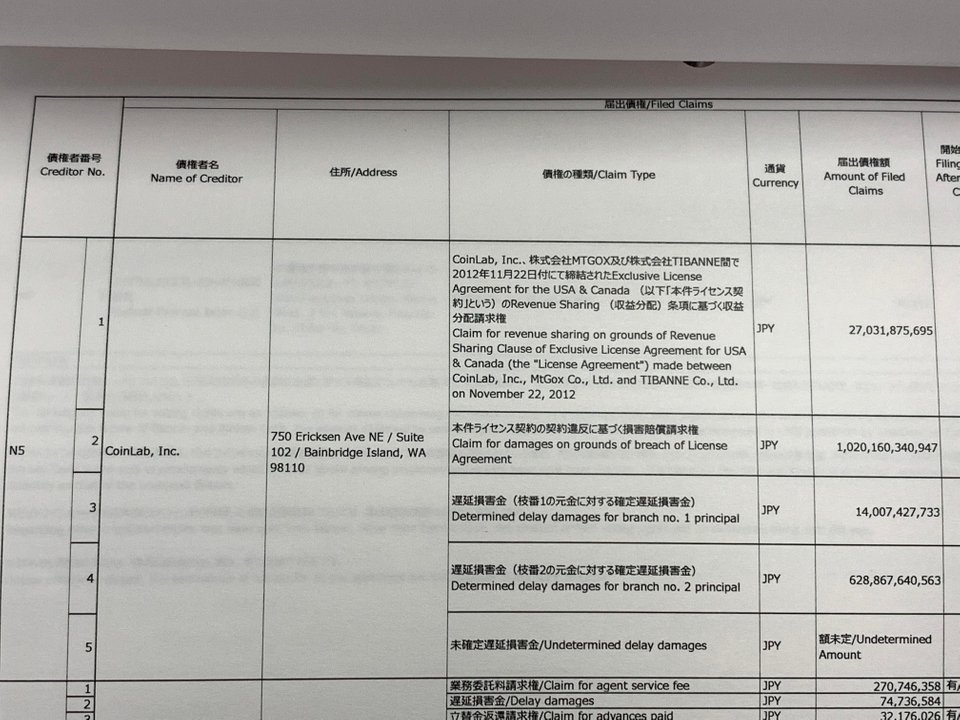
On Jan. 31, Mt. Gox victims were enraged to hear that the founder of Coinlab, Peter Vessenes, is still causing problems for the former exchange’s rehabilitation process. According to information published by public attorney Daniel Kelman, Coinlab filed a claim for ¥1.7 trillion yen (US$16 billion) which is over and above every claimant’s filing.

Also read: Markets Update: Traders Patiently Wait for Crypto’s Longest Bear Run to End

Coinlab’s Mt. Gox Claim Stands at Over $16 Billion

The infamous Mt. Gox breach was one of the biggest cryptocurrency exchange hacks of all time. Over the last four years, the trading platform’s customers who lost money have been trying to get restitution from the 200,000 BTC found later after the initial breach. There have been many bankruptcy proceedings and dealings with the court trustee in Tokyo. The case has also transformed into a civil rehabilitation process. Throughout this period, there’s been one stick in the mud that’s made the Mt. Gox restitution take much longer than it ought – Coinlab.

The company could now further extend and entirely disrupt the process of distribution to Mt. Gox creditors. Coinlab is a firm operated by the former Bitcoin Foundation Chair Peter Vessenes. Public documents from Tokyo given to our newsdesk indicate that Coinlab is claiming ¥1.7 trillion yen (US$16 billion at press time) in damages from Mt. Gox. The Coinlab claim eclipses all other creditors by a long shot and if it is successful then the other claimants could be left with nothing.

Mt. Gox Restitution Process Frozen Due to One Man's $16B Claim
Documents from the Mt Gox claim filed in Tokyo. Coinlab wants $16 billion for “Breach of license agreement.”

In 2012, Coinlab made a deal with Mark Karpeles which supposedly gave the company the rights to both U.S. and Canadian Mt. Gox customers. Coinlab couldn’t get licensure to operate in those countries, however, and these parts of the bargain ultimately fell through. After things went sour, Coinlab sued Mt. Gox for breach of contract in May 2013 for the sum of $75 million. According to multiple sources who have been relentlessly following the case in Japan, including former Mt. Gox CEO Mark Karpeles, Coinlab’s lawsuit has made it worse for every creditor involved. Back in May of 2017, Karpeles wrote an open letter to Peter Vessenes and Coinlab in the hope of convincing him to settle the case for $5 million.

“This lawsuit today is not Coinlab vs. Mt. Gox, but CoinLab vs. the Mt. Gox customers, now creditors, who have done nothing to deserve being involved in this,” explained Karpeles at the time.

Mt. Gox Restitution Process Frozen Due to One Man's $16B Claim
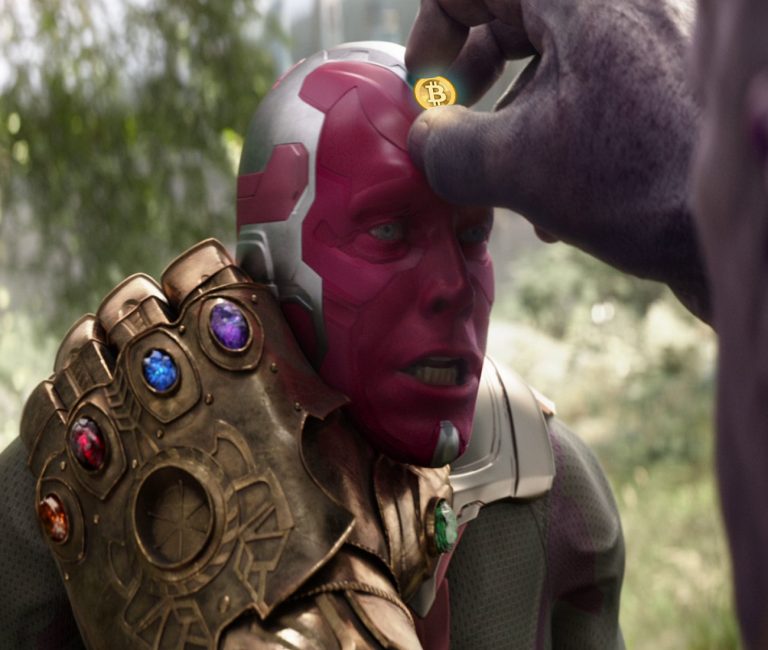
Peter Vessenes CEO of Coinlab.

Unknown Shareholders and Frozen Restitution Process for Mt. Gox Claimants

A highlighted portion of the ¥1.6 trillion Coinlab filing explains that Vessenes is pursuing the funds for the “fiduciary” interest of Coinlab shareholders. However, according to a source familiar with the matter, letters have been sent to Vessenes asking for a full list of shareholders. This is because skeptics believe there are not many shareholders at all or that the Coinlab CEO is the one and only shareholder. A claim made in such a manner would make upholding fiduciary interest of Coinlab shareholders very difficult in the face of the many customers who have been waiting four years for a small fraction of what they once had. On Jan. 31, Kraken CEO Jesse Powell expressed his disgust at the restitution claim made by Coinlab.

“Unbelievable balls on this guy to hold up payouts to thousands of victims for years with an entirely frivolous claim over a botched partnership attempt,” Powell said to his Twitter followers. “How could you think that your $14B claim should be senior to the actual account holders’?”

The next day Powell further stated:

Why is there not more outrage over this? If this isn’t criminal, it should be. Plaintiff’s lawyers ought to be sanctioned.

One of the founding members of the B Foundation, Alena Vranova, responded to Powell’s tweet and said, “Oh wow — I see why some folks developed an allergic reaction to the word foundation — Interesting “character” this Peter.” Vessenes has also been tagged on Twitter about the huge claim, but has yet to respond. Sources familiar with the matter also told news.Bitcoin.com back in Sept. 2017 that Coinlab doesn’t want to settle and wants the case to be brought to the U.S., which could drag the claim process out for another few years. Last month, the trustee of the now-defunct Mt. Gox and its funds, Nobuaki Kobayashi, detailed the civil rehabilitation claims may be extended further.

What do you think about the Mt. Gox claim for $16 billion made by Coinlab? Let us know what you think about this subject in the comments section below.


Image credits: Shutterstock, Marvel Studios (MCU), and Pixabay.


Verify and track bitcoin cash transactions on our BCH Block Explorer, the best of its kind anywhere in the world. Also, keep up with your holdings, BCH, and other coins, on our market charts at Satoshi’s Pulse, another original and free service from Bitcoin.com.

The post Mt. Gox Restitution Process Frozen Due to One Man’s $16B Claim appeared first on Bitcoin News.

from Bitcoin News http://bit.ly/2MMi3b5 Mt. Gox Restitution Process Frozen Due to One Man’s $16B Claim

#Blockchain Tidbits: Kraken CEO Offers Help in Quadrigacx Case, Iranian Bitcoiner Learns Expensive Lesson

Jesse Powell Extends Invite to Canadian Police, Iranian Bitcoiner Learns Expensive Lesson

Tidbits is a roundup of talking points from across the cryptosphere. In this edition, Jesse Powell offers to help the Canadian police investigate the supposed death of Quadrigacx CEO Gerald Cotten and the subsequent movement of funds. Also, the r/btc community teaches Iranian redditor Cdaemon how to keep his crypto safe. 

Also read: Canadian Exchange Insolvent After CEO Dies With Keys to $145M of Cryptocurrency

A Helping Hand

Kraken CEO Jesse Powell has offered to work with the Royal Canadian Mounted Police in the investigation of Quadrigacx CEO Gerald Cotten’s supposed death and lost private keys. Powell went on to explain that Kraken knows thousands of wallet addresses that belong to Quadrigacx.

The reactions to Cotten’s demise have been mixed. Some believe the CEO actually died, while others believed he faked his own death. Commentator “I am Nomad” argued that Cotten probably did die, on the basis that death is common in the backwoods of India. However, Powell was dissatisfied with this response and remained suspicious given that Quadrigacx was having problems with fiat and crypto withdrawals in the month leading up to Cotten’s death.

To make the case that Cotten probably faked his own death, Twitter user Ken A posted a video of a person easily buying a fake death certificate in India for just 25,000 rupees or $450. After seeing the video, Powell was amazed at the ease of getting an official-looking yet fake death certificate in India.

r/btc Gives Iranian Bitcoiner Advice

On r/btc, Iranian bitcoiner Cdaemon lamented the loss his lifesavings on Bittrex after the exchange froze his account. Cdaemon explained that he left his funds on the exchange because he was unable to purchase hardware wallets to store his cryptocurrency in 2017 due to sanctions against Iran. Prior to using Bittrex and having his account frozen, Cdaemon claimed to have confirmed with Bittrex customer support that Iranians could use their exchange.

Tidbits: Kraken CEO Offers Help in Quadrigacx Case, Iranian Bitcoiner Learns Expensive LessonWhile many redditors sympathized with Cdaemon, they also questioned why he would keep his cryptocurrency on an exchange and not in his own wallet. One commentator pyalot explained that there are plenty of desktop, mobile and paper wallets for bitcoin. In response, Cdaemon incorrectly argued that these options didn’t exist back in 2017. Pyalot corrected Cdaemon, and then explained the mantra of “not your keys, not your bitcoin.”


Further down the thread, Cdaemon argued that he was unable to access online wallets as they also adhered to U.S. sanction laws back in 2017. In response, commentator Maeler argued that the U.S. has no sanction on wallets and Cdaemon could have easily downloaded and used the Bitcoin.com wallet.

What do you think of the speculation that Gerald Cotten faked his own death? Let us know in the comments below. 


Images courtesy of Shutterstock.


Why not keep track of the price with one of Bitcoin.com’s widget services.

The post Tidbits: Kraken CEO Offers Help in Quadrigacx Case, Iranian Bitcoiner Learns Expensive Lesson appeared first on Bitcoin News.

from Bitcoin News http://bit.ly/2S9HhGf Tidbits: Kraken CEO Offers Help in Quadrigacx Case, Iranian Bitcoiner Learns Expensive Lesson

#Blockchain Cryptocurrency Independence Under Threat As Regulation Encroaches

Cryptocurrency Independence Under Threat As Regulation Spreads

For governments, cryptocurrency is becoming too mainstream to ignore and too chaotic to neglect. Across the world, government agencies are targeting crypto investors not only with taxes but mandatory registration and full disclosure rules. This new wave of regulation poses a contradiction in that some of cryptocurrency’s strongest traits have always been privacy and autonomy.

Also read: Canadian Exchange Insolvent After CEO Dies With Keys to $145M of Cryptocurrency

State Regulation of Crypto Raises Questions

Australia’s registration of 246 cryptocurrency exchanges between April 2018 and January 2019, hailed by observers and the exchanges themselves as boosting the credibility of the industry, likely indicates the direction that virtual currencies are taking in relation to regulation throughout the world.

Some industry players speak approvingly of regulatory encroachment as a step towards respectability. State regulation increasingly appears to be the price the crypto community will have to pay for assimilation into the mainstream economy, raising existential questions about the direction of the industry.

Cryptocurrency Independence Under Threat As Regulation Encroaches

Whereas early cryptocurrency visionaries sought to operate a skeptical remove away from authority, emphasizing freedom, autonomy and democracy, some new movers are welcoming regulation as a solution to the trust problems that have affected the industry.

Some of the regions that have weaponized the law books to meter aspects of virtual currencies include Malaysia, Australia, Japan, the EU and the U.S. As authorities across the world co-opt crypto’s “Escobar season” and drag it into the mainstream, it is interesting to observe just how much of what made crypto so appealing will remain.

“The root problem with conventional currency is all the trust that’s required to make it work,” Satoshi Nakamoto wrote in his revolutionary proposition ten years ago. “Banks must be trusted to hold our money and transfer it electronically, but they lend it out in waves of credit bubbles with barely a fraction in reserve. We have to trust them with our privacy, trust them not to let identity thieves drain our accounts,” whereas cryptocurrency “is based on crypto proof rather than trust.”

Regulation Rolls out With Benign Offers

Regulation is rolling out with the innocuous sounding promise of support for innovation, but it is not clear how heavily government whims will impose upon investors and exchanges going forward. Individuals looking to operate in an insular system, away from central bank and state oversight, are increasingly confronted with new top-down demands for the industry which include the closure of firms and freezing accounts.

Although Japan has traditionally been a liberal environment for crypto, it has been tightening regulation since the Coincheck hack early last year. The heist of $530 million sent Japan into regulatory overdrive, doubling down on the need for exchanges to be registered with the Financial Services Agency (FSA) as a condition of operation.

South Korea prohibits the use of anonymous accounts in cryptocurrency trading and requires banks to observe strict reporting obligations on accounts held by digital asset exchanges. The south east Asian country has also banned financial institutes from trading on bitcoin futures.

Cryptocurrency Independence Under Threat As Regulation Encroaches

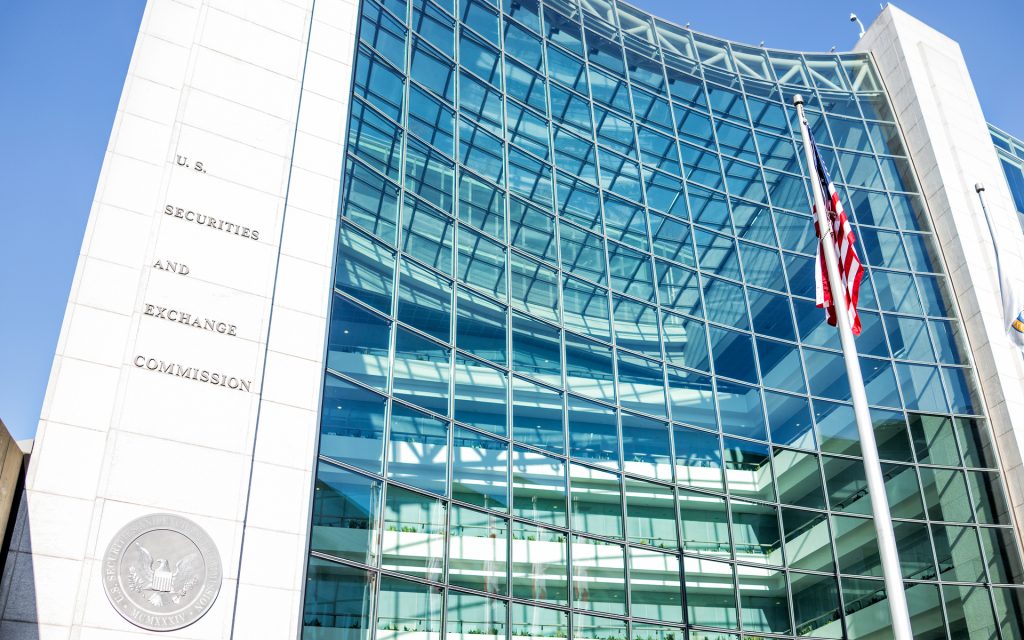
In March 2018, the U.S. Securities and Exchange Commission said that it considers many cryptocurrencies to be securities and that security laws will be comprehensively applied to wallets and exchanges where necessary.

Cryptocurrency regulation is usually themed around money laundering and funding of terrorism. A series of heists has not helped the cause of crypto, with victims clamoring for governments to wade into the chaos in messianic garb. Exchanges have cautiously welcomed the governmental embrace, showing a break from crypto pioneers who maintained cynic detachment from authority.

‘Cryptocurrency Industry Has Moved On’

Speaking to Australia’s public broadcaster ABC, CMC Markets’ chief market strategist Michael McCarthy said the industry has moved on from its pioneers’ autonomous fundamentalism and is now seeking regulation and safety. Independent Reserve, the Australian digital asset trading platform, has also cited regulation as a requisite for bringing cryptocurrency into the mainstream, according to its head, Adrian Przelozny.

Although virtual currency was conceived as an anti-authority invention where unmediated business is conducted peer-to-peer, lack of internal controls, requiring users to utilize their own discretion, has been exploited by those with criminal motives.

Cryptocurrency Independence Under Threat As Regulation Encroaches

For example, in 2018, more than 6,000 crypto-related scams, totalling losses of more than $9.5 million, were reported to Australia’s competition regulator. Investment scams, particularly deceptive marketing of initial coin offerings, and hacks running into millions have made customers vulnerable.

Across the crypto universe, this all bundles into a disarming pretext for state control. The current direction of crypto mapped by government regulators is, however, a far cry from Satoshi Nakamoto’s whitepaper, which declared:

What is needed is an electronic payment system based on cryptographic proof instead of trust, allowing any two willing parties to transact directly with each other without the need for a trusted third party.

Third parties are now fully immersed in the crypto ecosystem, which some industry players are coolly rationalizing as a coming-of-age phase for digital asset economy. As cryptocurrency matures, it is becoming increasingly tangled in tax policies and institutional oversight that significantly cedes its envisioned autonomy.

What do you think about state encroachment into the cryptocurrency space? Let us know in the comments section below.


Images courtesy of Shutterstock.


Express yourself freely at Bitcoin.com’s user forums. We don’t censor on political grounds. Check forum.Bitcoin.com

The post Cryptocurrency Independence Under Threat As Regulation Encroaches appeared first on Bitcoin News.

from Bitcoin News http://bit.ly/2DRSRgj Cryptocurrency Independence Under Threat As Regulation Encroaches

#Blockchain The Daily: Twitter CEO Talks Bitcoin, Bitstamp Releases New Mobile App

The Daily: Twitter CEO Talks Bitcoin, Bitstamp Releases New Mobile App

In Monday’s edition of The Daily we cover a recent interview with Jack Dorsey where the Twitter CEO again publicly shares his views on the future of cryptocurrency. Additionally covered are a new mobile app from Bitstamp and a report about Nvidia’s revenues from the mining market.

Also Read: SEC Solicits Blockchain Analysis Tool to Identify Wallet Owners

Twitter CEO Talks Bitcoin on Joe Rogan Experience

Jack Dorsey, CEO of Twitter and mobile payments platform Square, recently went on the wildly popular Joe Rogan Experience podcast to talk about his various ventures. Among the topics that came up was cryptocurrency, a recurring theme on the show. Dorsey explained he believes that the internet will have a native currency and he thinks it will be bitcoin because of the principles behind it and its origin. “It was something that was born on the internet, was developed on the internet, was tested on the internet, it is of the internet,” he said.

The Daily: Twitter CEO Talks Bitcoin, Bitstamp Releases New Mobile App
Jack Dorsey on Joe Rogan

The Square CEO touched on the issue of functionality for payments vs store of wealth. “We would love to see something become a global currency. It enables more access. It allows us to serve more people. It allows us to move much faster around the world,” he explained. “We thought we were going to start with how you can use it transactionally, but we noticed that people were treating it more like an asset, like a virtual gold, and we wanted to just make that easy, just the simplest way to buy and sell bitcoin.”

Dorsey also mentioned that the current banking and political systems are threatened by the invention as no one has no centralized control over Bitcoin. “It’s certainly threatening to certain services behind banks and financial institutions. It’s threatening to some governments as well.”

Bitstamp Exchange Releases New Mobile App

Cryptocurrency exchange Bitstamp launched a new mobile app for iOS and Android on Thursday, Jan 31. The app allows users to buy and sell cryptocurrencies, make transfers, check balances and transaction history, and explore the markets through real-time charts. Additional features include a simple interface for beginners and another one for experienced traders, the ability to issue instant, market, limit and stop orders, as well as an option to remotely disable the app in case a user’s phone is lost or stolen.

The Daily: Twitter CEO Talks Bitcoin, Bitstamp Releases New Mobile App

“Built from the ground up to combine all the tools that make Bitstamp attractive for advanced traders in an intuitive interface, simple enough that anyone can begin trading in seconds,” the exchange team stated. “We suggest all users switch to the new app immediately for improved performance, reliability and more features.” The old Bitstamp app will be disabled after a one-month crossover period.

Besides launching the new mobile version of the platform, the Bitstamp team also announced they are preparing a number of upgrades for the desktop platform in an effort to improve users’ trading experience.

Nvidia Reportedly Made Billions From Miners

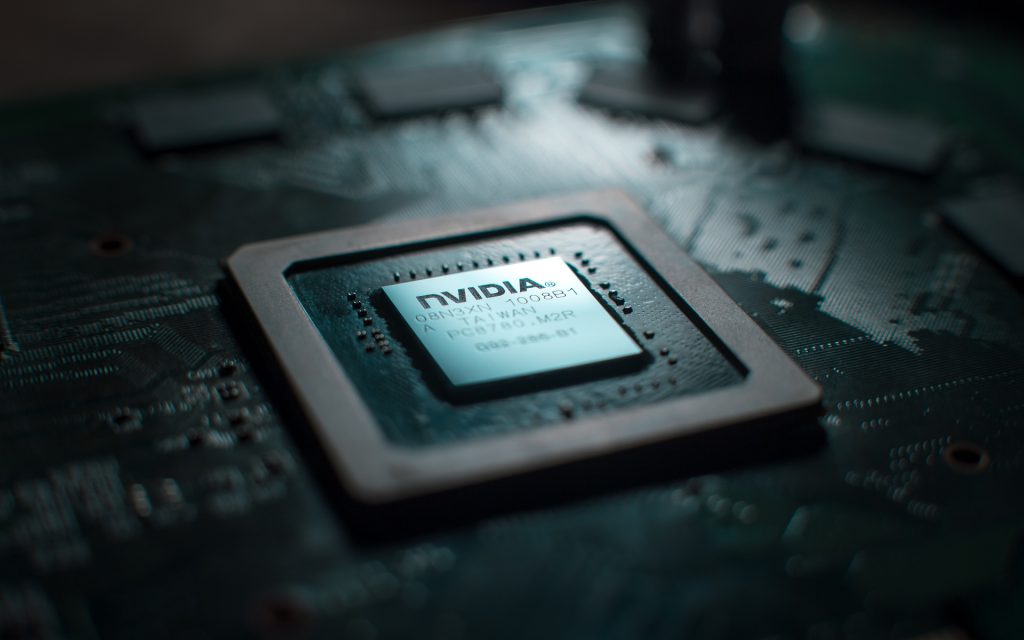
Could the impact of crypto winter have been harder on Nvidia Corporation (NASDAQ: NVDA) than its management has confessed? This is what a recent report claims. RBC analyst Mitch Steves estimates that the company controls three quarters of the GPU mining market and calculated it made a fortune from miners during the boom time, a revenue stream that is now lost.

“We think NVDA generated $1.95 billion in total revenue related to crypto/blockchain,” noted Steves according to Markets Insider. “This compares to company’s statement that it generated around $602 million over the same time period.”

The Daily: Twitter CEO Talks Bitcoin, Bitstamp Releases New Mobile App

Last week the company updated investors that its previous fourth-quarter guidance had embedded a “sequential decline due to excess mid-range channel inventory following the cryptocurrency boom.” The company claimed that the reduction in that inventory and its impact on the business have “proceeded largely inline with management’s expectations,” and that it was deteriorating macroeconomic conditions, particularly in China, that weakened consumer demand for gaming GPUs.

What do you think about today’s news tidbits? Share your thoughts in the comments section below.


Images courtesy of Shutterstock.


Verify and track bitcoin cash transactions on our BCH Block Explorer, the best of its kind anywhere in the world. Also, keep up with your holdings, BCH and other coins, on our market charts at Satoshi’s Pulse, another original and free service from Bitcoin.com.

The post The Daily: Twitter CEO Talks Bitcoin, Bitstamp Releases New Mobile App appeared first on Bitcoin News.

from Bitcoin News http://bit.ly/2S7NgLv The Daily: Twitter CEO Talks Bitcoin, Bitstamp Releases New Mobile App

#Blockchain Venezuela’s New Cryptocurrency Rules Enter Into Force

Venezuela’s New Cryptocurrency Rules Enter Into Force

The decree establishing a legal framework for cryptocurrencies in Venezuela has entered into force. It contains 63 articles including rules for the purchase, sale, use, distribution, and exchange of cryptocurrencies and related products. It also mandates a registration system and details audit procedures, penalties for non-compliance, and how mining equipment can be confiscated.

Also read: Indian Supreme Court Moves Crypto Hearing, Community Calls for Positive Regulations

Legal Framework for Cryptocurrencies

Venezuela’s “Constituent Decree on the Integral System of Crypto Assets” has been published in the country’s official gazette. The decree establishing the legal framework for cryptocurrencies and all related activities contains 63 articles; it entered into force with the publication in the gazette.

Ramirez Joselit, the Superintendent of Sunacrip, Venezuela’s Superintendency of Crypto Assets and Related Activities, tweeted on Jan. 31:

Today the constituent decree that will govern the operation of the Integral System of Crypto Assets of Venezuela was published in Official Gazette Number 41.575.

Venezuela’s New Cryptocurrency Rules Enter Into Force

The 63 articles are grouped into six sections. The first section comprises articles 1 to 5 which outline general information about the decree including its objectives and scope of application. It also defines blockchain, digital mining, crypto asset, sovereign crypto asset, cryptography, user, and public price.

The second section explains the “structure of the Integral System of Crypto Assets” in articles 6 to 28. The third section sets rules for the new registration system in articles 29 to 33 while the fourth details the audit and inspection procedures in articles 34 to 41. Articles 42 to 51 make up the fifth section which discusses offenses and penalties whereas articles 52 to 63 are found in the last section which mostly describes administrative procedures.

“The purpose of this constituent decree is to create and define the regulatory framework applicable to the Integral System of Crypto Assets,” the gazette reads. According to article 3:

The scope of application of this constituent decree [covers] goods, services, values or activities related to the constitution, issuance, organization, operation and use of [the] national crypto assets and [other] crypto assets, within the national territory, as well as the purchase, sale, use, distribution and exchange of any product or service derived from them and other activities that are connected.

Venezuela’s New Cryptocurrency Rules Enter Into Force

Sunacrip and the Registration System

Sunacrip, which has already been acting as the regulator of all crypto-related activities in Venezuela, has been given even more power by the decree which states:

[Sunacrip] will exercise the broadest powers within the legal and constitutional framework, to regulate the creation, issuance, organization, operation and use of crypto assets, and consequently, to regulate the operation of the exchange houses and other crypto asset financial services, as well as activities associated with digital mining.

In addition, individuals and legal entities wanting to carry out crypto-related activities including mining are required to register with Sunacrip. Article 11 states that the regulator must “coordinate and monitor the records of digital miners, exchange houses and other financial services” that deal with crypto assets. Article 29 further calls for the regulator to “create the necessary records to systematize the information corresponding to digital miners, exchange houses, other financial services in crypto assets and the intermediation of crypto assets.”

Article 33 states that Sunacrip “will establish the public prices applicable to the system of registry, to the exchange operations, as well as to the services that lend and other considerations.”

Venezuela’s New Cryptocurrency Rules Enter Into Force

Inspections and Confiscations

Article 34 of the decree details how Sunacrip will inspect the activities in the cryptocurrency sector to ensure compliance.

If any signs of non-compliance are detected during an inspection, measures will be taken to prevent further violations, article 37 describes. These measures may consist of confiscation of any mining equipment found, and the “suspension of licenses, permits or authorizations” issued by Sunacrip, as well as the suspension of “Any other provision in the legal system to prevent the violation of the rights of citizens.” The article further details:

When the confiscation measure is ordered on mining equipment, the superintendency will keep the respective assets, which … may be arranged for social purposes.

With all of the new powers granted to Sunacrip, Criptonoticias news outlet commented that “This could mean that Sunacrip would be in a position to monitor any platform that serves the commercialization of cryptocurrencies in Venezuela, whether national or international, centralized or decentralized … which would encompass services like the one offered by Localbitcoins.”

Venezuela’s New Cryptocurrency Rules Enter Into Force

Penalties

The decree also proclaims heavy penalties for unlicensed crypto activities, including mining. According to article 42:

Those who operate or perform any type of activity related to the constitution, issuance, organization, operation and use of sovereign crypto assets or [other] crypto assets, including mining, without the due authorization of the governing body and in breach of the other formalities required by this constituent decree, will be sanctioned with a fine equivalent to 100 to 300 sovereign crypto assets.

Furthermore, article 43 states that those who have obtained, accessed, intercepted, interfered or used “information technologies related to the Integral System of Crypto Assets” without proper authorization “will be punished with imprisonment from one (01) to three (03) years and fined equivalent of fifty (50) to one hundred (100) sovereign crypto assets.” Criptonoticias noted that this rule applies not only to miners but also to “any person that is related to the management of crypto assets.”

What do you think of these Venezuelan crypto rules? Let us know in the comments section below.


Images courtesy of Shutterstock.


Need to calculate your bitcoin holdings? Check our tools section.

The post Venezuela’s New Cryptocurrency Rules Enter Into Force appeared first on Bitcoin News.

from Bitcoin News http://bit.ly/2St7L4E Venezuela’s New Cryptocurrency Rules Enter Into Force

#Blockchain Venezuela’s New Cryptocurrency Rules Enter Into Force

Venezuela’s New Cryptocurrency Rules Enter Into Force

The decree establishing a legal framework for cryptocurrencies in Venezuela has entered into force. It contains 63 articles including rules for the purchase, sale, use, distribution, and exchange of cryptocurrencies and related products. It also mandates a registration system and details audit procedures, penalties for non-compliance, and how mining equipment can be confiscated.

Also read: Indian Supreme Court Moves Crypto Hearing, Community Calls for Positive Regulations

Legal Framework for Cryptocurrencies

Venezuela’s “Constituent Decree on the Integral System of Crypto Assets” has been published in the country’s official gazette. The decree establishing the legal framework for cryptocurrencies and all related activities contains 63 articles; it entered into force with the publication in the gazette.

Ramirez Joselit, the Superintendent of Sunacrip, Venezuela’s Superintendency of Crypto Assets and Related Activities, tweeted on Jan. 31:

Today the constituent decree that will govern the operation of the Integral System of Crypto Assets of Venezuela was published in Official Gazette Number 41.575.

Venezuela’s New Cryptocurrency Rules Enter Into Force

The 63 articles are grouped into six sections. The first section comprises articles 1 to 5 which outline general information about the decree including its objectives and scope of application. It also defines blockchain, digital mining, crypto asset, sovereign crypto asset, cryptography, user, and public price.

The second section explains the “structure of the Integral System of Crypto Assets” in articles 6 to 28. The third section sets rules for the new registration system in articles 29 to 33 while the fourth details the audit and inspection procedures in articles 34 to 41. Articles 42 to 51 make up the fifth section which discusses offenses and penalties whereas articles 52 to 63 are found in the last section which mostly describes administrative procedures.

“The purpose of this constituent decree is to create and define the regulatory framework applicable to the Integral System of Crypto Assets,” the gazette reads. According to article 3:

The scope of application of this constituent decree [covers] goods, services, values or activities related to the constitution, issuance, organization, operation and use of [the] national crypto assets and [other] crypto assets, within the national territory, as well as the purchase, sale, use, distribution and exchange of any product or service derived from them and other activities that are connected.

Venezuela’s New Cryptocurrency Rules Enter Into Force

Sunacrip and the Registration System

Sunacrip, which has already been acting as the regulator of all crypto-related activities in Venezuela, has been given even more power by the decree which states:

[Sunacrip] will exercise the broadest powers within the legal and constitutional framework, to regulate the creation, issuance, organization, operation and use of crypto assets, and consequently, to regulate the operation of the exchange houses and other crypto asset financial services, as well as activities associated with digital mining.

In addition, individuals and legal entities wanting to carry out crypto-related activities including mining are required to register with Sunacrip. Article 11 states that the regulator must “coordinate and monitor the records of digital miners, exchange houses and other financial services” that deal with crypto assets. Article 29 further calls for the regulator to “create the necessary records to systematize the information corresponding to digital miners, exchange houses, other financial services in crypto assets and the intermediation of crypto assets.”

Article 33 states that Sunacrip “will establish the public prices applicable to the system of registry, to the exchange operations, as well as to the services that lend and other considerations.”

Venezuela’s New Cryptocurrency Rules Enter Into Force

Inspections and Confiscations

Article 34 of the decree details how Sunacrip will inspect the activities in the cryptocurrency sector to ensure compliance.

If any signs of non-compliance are detected during an inspection, measures will be taken to prevent further violations, article 37 describes. These measures may consist of confiscation of any mining equipment found, and the “suspension of licenses, permits or authorizations” issued by Sunacrip, as well as the suspension of “Any other provision in the legal system to prevent the violation of the rights of citizens.” The article further details:

When the confiscation measure is ordered on mining equipment, the superintendency will keep the respective assets, which … may be arranged for social purposes.

With all of the new powers granted to Sunacrip, Criptonoticias news outlet commented that “This could mean that Sunacrip would be in a position to monitor any platform that serves the commercialization of cryptocurrencies in Venezuela, whether national or international, centralized or decentralized … which would encompass services like the one offered by Localbitcoins.”

Venezuela’s New Cryptocurrency Rules Enter Into Force

Penalties

The decree also proclaims heavy penalties for unlicensed crypto activities, including mining. According to article 42:

Those who operate or perform any type of activity related to the constitution, issuance, organization, operation and use of sovereign crypto assets or [other] crypto assets, including mining, without the due authorization of the governing body and in breach of the other formalities required by this constituent decree, will be sanctioned with a fine equivalent to 100 to 300 sovereign crypto assets.

Furthermore, article 43 states that those who have obtained, accessed, intercepted, interfered or used “information technologies related to the Integral System of Crypto Assets” without proper authorization “will be punished with imprisonment from one (01) to three (03) years and fined equivalent of fifty (50) to one hundred (100) sovereign crypto assets.” Criptonoticias noted that this rule applies not only to miners but also to “any person that is related to the management of crypto assets.”

What do you think of these Venezuelan crypto rules? Let us know in the comments section below.


Images courtesy of Shutterstock.


Need to calculate your bitcoin holdings? Check our tools section.

The post Venezuela’s New Cryptocurrency Rules Enter Into Force appeared first on Bitcoin News.

from Bitcoin News http://bit.ly/2St7L4E Venezuela’s New Cryptocurrency Rules Enter Into Force

#Blockchain Decentralized Protocols Are Making It Easier Than Ever to Gamble With Cryptocurrency

Americans wagered $140 million on the 2017 Super Bowl, but if sports betting was legal nationwide, that figure would have been closer to $5 billion, it’s believed. Save for a handful of states such as Nevada, sports betting is outlawed in the U.S., though a Supreme Court ruling last year looks set to change that. In the meantime, decentralized protocols are making it easier than ever for cryptocurrency users to bet on a range of events including the Super Bowl.

Also read: New Hampshire House Subcommittee Approves Bitcoin for Taxes Bill

Bitcoin and Betting

Decentralized Protocols Are Making It Easier Than Ever to Gamble With CryptocurrencyAfter drugs, gambling is the vice most commonly associated with cryptocurrencies. While bitcoin has a wealth of applications, it is no coincidence that bitcoin’s first “killer app” was hi-lo betting site Satoshi Dice. Because of its statelessness, suitability for cross-border transfers, and pseudonymity, cryptocurrency is a natural fit for online casinos. Many web-based sportsbooks and casinos accept digital assets such as BTC, BCH, ETH, and DASH, and there are dozens of platforms that exclusively accept cryptocurrency.


The size of the black market for sports betting in the U.S. is difficult to estimate, but is believed to be worth upwards of $80 billion a year. For U.S. bettors seeking a means to wager on their favorite sports, various offshore gambling sites will take their custom. Using a credit card for such purposes heightens the risk of detection and data-loss however. Cryptocurrencies can mitigate some of those risks, but customers are still obliged to sign up to a centralized online sportsbook and disclose their personal information.

Decentralized prediction markets are an alternative solution that is beginning to gain traction. While not ostensibly designed for gambling, they effectively serve as surrogate sportsbooks, enabling cryptocurrency users to wager on the outcome of major sporting events.

Decentralized Protocols Are Making It Easier Than Ever to Gamble With Cryptocurrency
Augur

Prediction Markets and Decentralized Sportsbooks

A string of supposedly decentralized sports betting sites has sprung up over the last 18 months, many of which were funded with ICO money at the peak of the bubble. Projects such as Wagerr will soon be joined by the likes of Block Sports, while the popularity of gambling dapps, which account for the majority of dapp usage on the Eos and Tron blockchains, attests to the lure of crypto-based betting. Decentralized prediction market Augur and the platforms built upon its protocol are the best known examples of borderless betting that’s virtually impossible to censor.

At the time of writing, 330 ETH have been staked on Augur for the question “Will the Patriots defeat the Rams?” 54.6 percent of participants have the Patriots triumphing in the 2019 Super Bowl.

Guesser, a more user-friendly version of Augur, is currently in closed beta. It enables anyone to wager with ETH in just a few clicks using the Metamask browser. Its Super Bowl market is also seeing action, though more serious sports bettors may prefer Veil. Yet another Augur-based derivative, it offers the ability to go long or short on the outcome of the Super Bowl as well as to wager on a host of other events including the Academy Awards.

Decentralized Protocols Are Making It Easier Than Ever to Gamble With Cryptocurrency
Veil

For cryptocurrency users accustomed to using browser wallets such as Metamask to access the decentralized web, the ability to discreetly gamble in a couple of clicks can be tempting. Without the safeguards that licensed betting platforms offer, including the option to self-exclude to prevent problem gambling, the convenience of decentralized prediction markets calls for self-control. With great financial freedom comes great responsibility.

What are your thoughts on decentralized gambling platforms? Let us know in the comments section below.


Images courtesy of Shutterstock, Augur, Veil, and Guesser.


Disclaimer: Bitcoin.com does not endorse nor support these products/services.

Readers should do their own due diligence before taking any actions related to the mentioned companies or any of their affiliates or services. Bitcoin.com is not responsible, directly or indirectly, for any damage or loss caused or alleged to be caused by or in connection with the use of or reliance on any content, goods or services mentioned in this article.

The post Decentralized Protocols Are Making It Easier Than Ever to Gamble With Cryptocurrency appeared first on Bitcoin News.

from Bitcoin News http://bit.ly/2WHhdB5 Decentralized Protocols Are Making It Easier Than Ever to Gamble With Cryptocurrency

#Blockchain SEC Solicits Blockchain Analysis Tool to Identify Wallet Owners

While U.S. investors are waiting for a bitcoin ETF to be approved, American financial regulators are looking to make the market more transparent. The Securities and Exchange Commission (SEC) is seeking a service that will identify the owners of wallet addresses for multiple cryptocurrencies.

Also Read: Chainalysis: Two Hacker Groups Stole $1 Billion in Crypto

The SEC Wants Crypto Transaction Details

The SEC has issued a ‘sources sought notice’ on January 31, searching for companies that can provide blockchain data to support its efforts to monitor risk and improve compliance of digital assets. The regulator is seeking a service for acquiring data on the “most widely used blockchain ledgers, including the universe of available information and transaction details.” The desired sources should provide the SEC with the capability to derive insights from available data, including “attribution data (i.e. to whom a particular address belongs).”

SEC Solicits Blockchain Analysis Tool to Identify Wallet Owners

Additional required capabilities by the SEC are the provision of data extracts on a recurring basis for the most widely used digital assets based on transaction volume; cleaning and normalizing the data to enable review and exploration; and the means to demonstrate data is accurate and complete. For this, the SEC wants a verification method it can use to ensure there is no data loss due to the processes designed to make the information easily readable.

Moving Forward on Bitcoin ETF?

The SEC is also looking for information on which of the most popular digital assets data can be provided on, options for data sharing and data transmission, processes and tools used to aggregate and compile the data, and other metrics mentioned in the document. Vendors that wish to present their services need to provide cost estimates for ongoing access or subscription to the requested data and should respond to the notice by Feb. 14, 2019.

SEC Solicits Blockchain Analysis Tool to Identify Wallet Owners

The American securities regulator has been the center of a lot of attention from institutional investors recently, as its approval is needed for U.S. financial companies to offer a bitcoin ETF. Perhaps the description of the monitoring capabilities that the SEC is seeking explains the transparency the regulator is seeking before green-lighting an ETF.

What do you think about the SEC’s intentions? Share your thoughts in the comments section below.


Images courtesy of Shutterstock.


Verify and track bitcoin cash transactions on our BCH Block Explorer, the best of its kind anywhere in the world. Also, keep up with your holdings, BCH and other coins, on our market charts at Satoshi’s Pulse, another original and free service from Bitcoin.com.

The post SEC Solicits Blockchain Analysis Tool to Identify Wallet Owners appeared first on Bitcoin News.

from Bitcoin News http://bit.ly/2WGz8I6 SEC Solicits Blockchain Analysis Tool to Identify Wallet Owners