22 months since Wells Fargo suspended the processing of withdrawals sent by four Taiwanese banks that service Bitfinex, the platform remains among the top 20 exchanges by adjusted volume. While Bitfinex hosted more than $5 billion in trade this past month, the exchange has struggled to establish reliable banking partners, with traders seeking to deposit fiat currency having been instructed to send funds via at least seven different banking institutions since the Wells Fargo suspension.
Also Read: Van Eck Associates CEO: Bitcoin Investors Will Add Gold This Year
Bitfinex Directs Customers to Deposit Funds With Polish Bank 7 Months After Wells Fargo Termination
During Nov. 2017, it was reported that Bitfinex customers were being directed to deposit fiat currency with Polish-based bank Spółdzielczy w Skierniewicach under the account of Panama-based company Crypto SP, an account that was also revealed to be shared with cryptocurrency exchange CEX. Crypto SP was also found to be owned by Crypto Capital, a company owned by Ivan Manual Molina Lee, an individual found to be a nominee director for a number of Panama-based companies.
Later that month, the Paradise Papers evidenced that Tether and Bitfinex shared the same directors, contradicting Bitfinex’s previous assertions that the companies comprised completely separate entities.
During January 2018, it was reported that Bitfinex had been subpoenaed by the United States Commodity Futures Trading Commission (CFTC). The months following the news of the subpoena saw Bitfinex appear to cycle through banking partners in short succession, with traders being instructed to make fiat deposits with at least six different financial institutions between Feb. 2018 and Nov. 2018.
Bitfinex Customers Directed to Deposit Funds With at Least 6 Banks Between Feb. and Nov. 2018
At the start of Feb. 2018, a post on Reddit indicated that a Bitfinex customer had been directed to deposit funds with Portuguese-state owned banking institution Caixa Geral De Depositos via a company called Global Trade Solutions. One Redditor speculated that Global Trade Solutions may be linked to Crypto S.P and Crypto Capital.
On Feb. 14, 2018, Dutch media outlet Follow the Money reported that a spokesperson for ING had confirmed that Bitfinex held an account with the bank in the Netherlands. The news comprised the first announcement of a major financial institution since Wells Fargo suspended wires from Bitfinex almost one year prior.
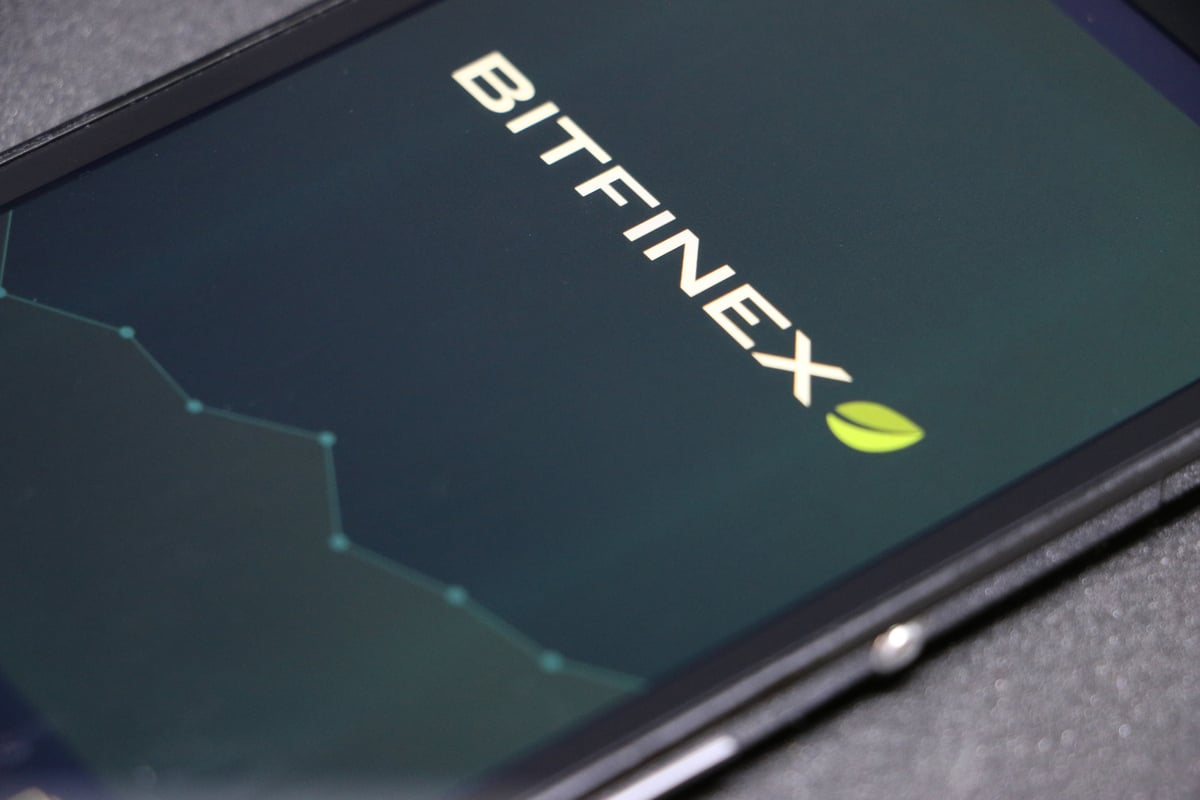
On April 6, 2018, Polish media reported that 400 euros had been seized by authorities from Spółdzielczy w Skierniewicach. Citing anonymous sources, the report asserted that the funds “probably” comprised “money belonging to Colombian drug cartels.” The report added “It is known that the money was on the accounts of two companies from the vicinity of Pruszków, owned by a Canadian-born Panamanian descent and a Colombian with Panama citizenship,” and that “One of these companies was a shareholder of an online cryptocurrency exchange office.”
The report also noted that the companies involved “did not actually carry out any economic activity,” and were created “solely to share bank accounts with international criminal financial operations.” On April 9, 2018, Bitfinex issued a statement denying any connection to the funds seized by Polish authorities.
Bitfinex Briefly Partners With Noble Bank
During May 2018, it was reported that Bitfinex had partnered with Puerto Rican financial institution, Noble Bank whose principal custodian was Bank of New York Mellon.
Three months later, a report published on Medium asserted that Brock Pierce, the founder of Tether, and John Betts, the founder of Noble Bank, had sought to acquire Mt. Gox together in 2014 via Sunlot Holdings’ Mtgox Rehabilitation Plan Proposal. After their bid was unsuccessful, both men would go on to found their respective companies later that year.

At the start of October 2018, it was reported that Noble International had been looking for a buyer for months, and had lost many of its customers including Bitfinex and Tether. A few days later, it was revealed that Bitfinex was directing customers to deposit fiat currency into an HSBC account held by Global Trading Solutions.
Later that month, reports also indicated that Bitfinex was banking with Hong Kong-based Bank of Communications via the private accounts of “Prosperity Revenue Merchandising Limited” for whom Citibank acts as an intermediary bank.
In November, Bitifinex announced another new banking partner, publishing a letter attributed to Bahamas Deltec Bank & Trust asserting that the company held $1.8 billion in its account as of Oct. 31.
Bitfinex’s Cayman-Based Bank Falsely Claims SEC Registration
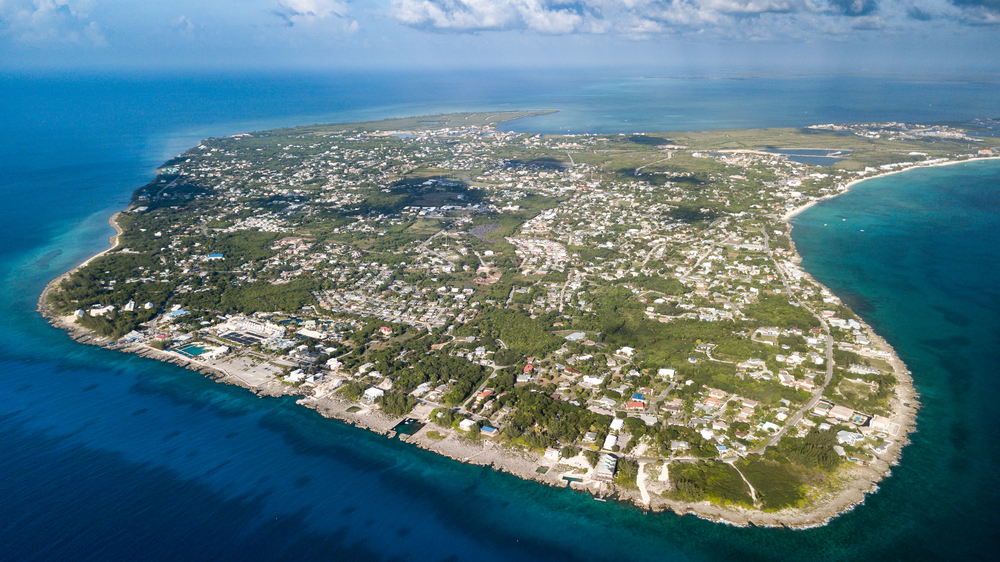
During January 2019, it was revealed that Bitfinex was banking with Cayman Islands-based Sackville Bank & Trust Company. Sackville’s principal custodian bank is CIBC Mellon which is jointly owned by The Bank of New York Mellon and Canadian Imperial Bank of Commerce.
Despite Sackville’s website asserting that the company operates according to its “full registration with US Securities and Exchange Commission (SEC),” it appears that Sackville’s SEC registration was terminated as of April 2018.
Throughout Bitfinex’s banking fiasco, social media reports suggest that at least $1.67 million worth of fiat withdrawals have not been processed by the exchange since September 2018, in addition to nearly $3.57 million worth of unprocessed withdrawal attempts that have since been cancelled.
While discussing Wells Fargo’s suspension of wire transfers to and from Bitfinex, the exchange’s former chief strategy officer, Phil Potter, previously stated: “We’ve had banking hiccups in the past, we’ve always been able to route around it … open up new accounts … shift to a different entity, lots of cat and mouse tricks.”
What do you think of Bitfinex’s perpetual banking drama? Share your thoughts in the comments section below!
Images courtesy of Shutterstock, Wikipedia
Want to create your own secure cold storage paper wallet? Check our tools section.
The post Bitfinex Partnered With at Least 6 Different Banks During 2018 appeared first on Bitcoin News.
from Bitcoin News http://bit.ly/2MFsKvM Bitfinex Partnered With at Least 6 Different Banks During 2018





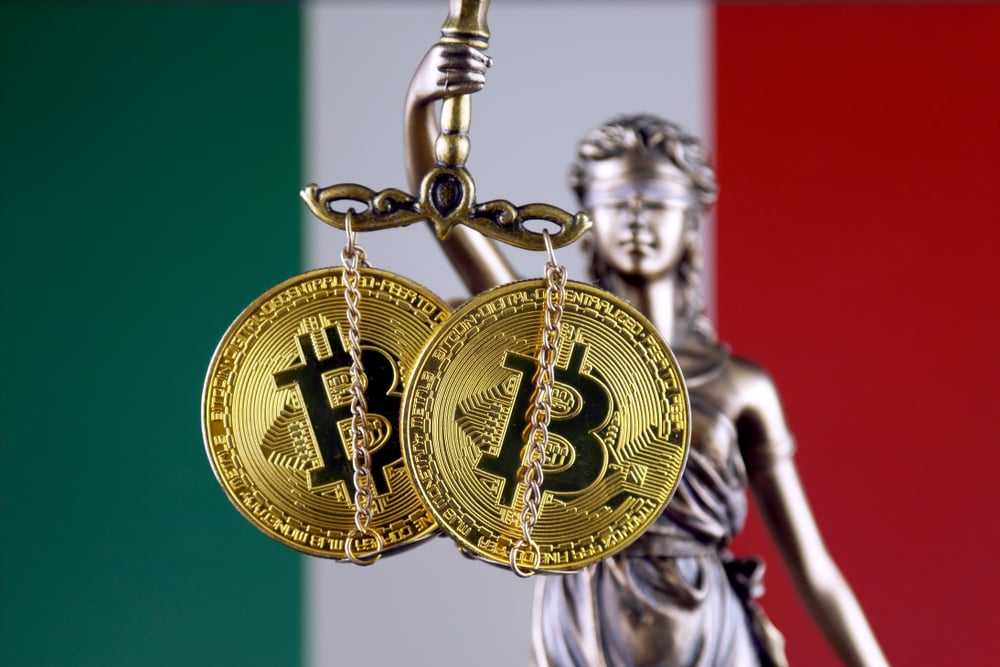


 In the olden days, being found in possession of money was not a crime. As a result, police had no authority to seize a suspect’s funds unless they could prove that they were the proceeds of a heist. If you were a jewel thief, you could simply swap your gemstones for dollars and stuff them under your mattress in the knowledge that the feds couldn’t touch them. Then money laundering and proceeds of crime laws came into effect, triggering a cat and mouse game between cops and robbers that has persisted to this day.
 Like many laws, civil forfeiture has a storied history that, in this case can be traced back to the 17th century. In the mid-1600s, British maritime laws obliged ships entering domestic ports to fly the British flag. Failure to comply would result in the cargo being seized, regardless of whether the vessel was carrying contraband. Four centuries later, and little has changed. The cargo today is generally drugs – or at least that’s the reason stated for seizing funds, as if that alone was justification for relieving potentially innocent citizens of their cash.