#Blockchain Mystery Bitcoin Miners Are Altering Mining Pool Dominance

Mystery Bitcoin Miners Shift Mining Pool Dominance Immensely

During the first month of 2019, studies have revealed the growing trend of unknown miners processing blocks on the Bitcoin Core (BTC) network. A few years ago, most mining pools began revealing their identity via the coinbase parameter when they found a block. Over the last two years, however, unknown miners have started to dominate as established operations have lost a considerable share of hashrate.

Also read: Bloq Labs Reveals Software Suite That Aims to Increase Hash Power by Double Digits

Unknown Bitcoin Miners Have Been Shifting Hashrate Dominance

The bitcoin mining industry is extremely competitive, with the overall SHA-256 hashrate for major public blockchains growing immensely over the years. Between the two most popular mined SHA-256 coins, bitcoin cash (BCH) and bitcoin core (BTC), 41.8 exahashes per second (EH/s) are currently securing both chains. A recent study from the researchers at Diar explains how unknown miners are shifting the dominance of major known mining pools.
Mystery Bitcoin Miners Are Altering Mining Pool Dominance
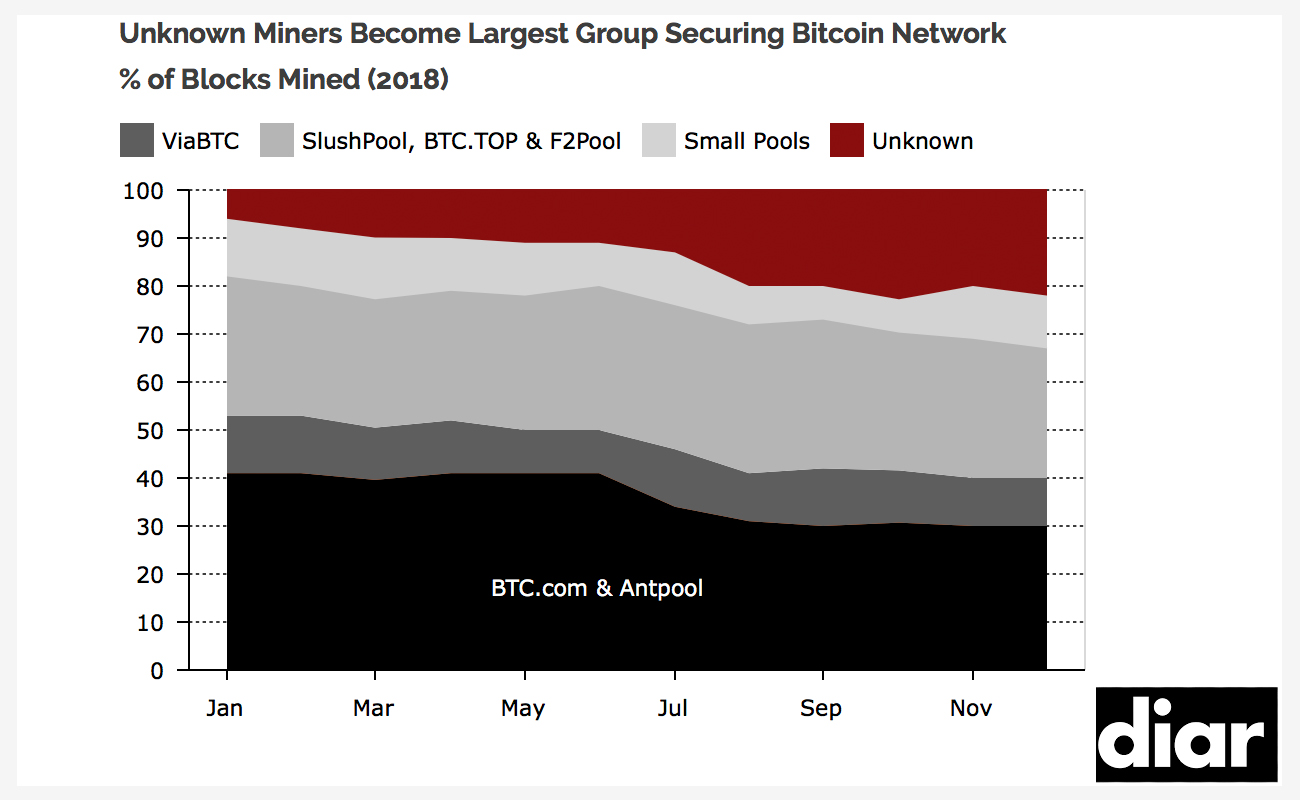
Unknown pools have shifted the dominance of large mining pools like Btc.com, Antpool, and Viabtc.

“Unknown miners closed December having solved a whopping 22% of the total blocks up from 6% at the start of last year,” explains Diar’s research report. It continues:

The small miner exodus could be a possible positive for Bitcoin’s network security as smaller miners joined to the hip of large pools began turning off their computing power resulting in a decline in mining pool dominance.

The researchers say there could be “concerns” with the growth of unknown mining pools. Diar’s report explains that just because the miner chooses not to disclose its identity doesn’t mean the source of the hash power isn’t an existing known pool. The researchers note that the three large pools of Btc.com, Antpool, and Viabtc have all seen their percentage of total hashrate decline over the past year, even though they have added a 55 percent increase in pooled resources. In January of 2018, those three combined pools had 53 percent of the network while now they have less than 39 percent the report details.

Coinmetrics Notices the Resurgence of Mystery Miners After Parsing 450,000 BTC Blocks

Diar is not the only analysis team that has picked up on this growing trend of unknown mining pools. During the first week of 2019, cryptocurrency analytics site Coinmetrics noticed the same thing. After parsing the coinbase outputs from the last 450,000 BTC blocks, the researchers noted that one mystery arising from the charts is “the resurgence of unknown miners.” Coinmetrics details that between mid-2015 and mid-2017, most miners disclosed their identity through the coinbase parameter to identify themselves with the name of their pool.

“However, through 2018, unknown miners picked up — This may be due to the waning importance of miner signaling due to the resolution of the Segwit saga, a newly-found appreciation for privacy, or the emergence of miners who have something to hide,” explains Coinmetrics’ granular mining pool mapping research.

Mystery Bitcoin Miners Are Altering Mining Pool Dominance
Coinmetrics chart of the 450,000 BTC blocks the team parsed that shows the resurgence of anonymous miners.

Unknown Mining Pools Have Increased Since the Peak of the 2017 Scaling Debate

The resurgence of unknown miners is also prevalent within the BCH network. During the first few months after Aug. 1, 2017, the BCH network had a significant amount of unknown miners processing blocks. This period of time is when the shift seemingly began for both the BTC and BCH networks as it introduced the possibility for SHA-256 mining pools to switch between both chains depending on profitability.
Mystery Bitcoin Miners Are Altering Mining Pool Dominance
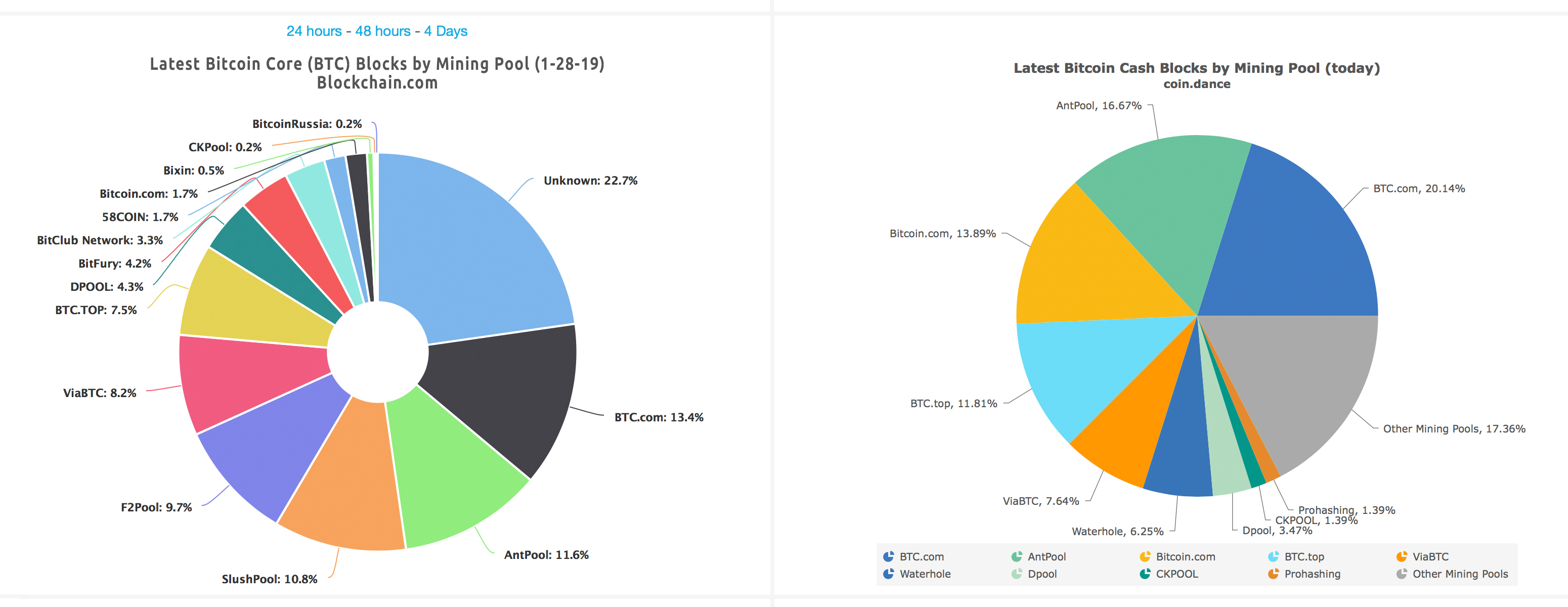
BTC mining pools (left) and BCH mining pools (right) on Jan. 28, 2019. Today, mystery miners command more than 22% of the BTC chain and 17% of the BCH chain. 

Since then, the rise of unknown mining pool sightings on both chains has continued to increase, and during the Nov. 15, 2018 BCH chain split, there was a huge influx of unknown miners on both networks. At the time of publication, unknown mining entities make up more than 17 percent of the BCH network. Similarly, on Jan. 28, 2019, the BTC chain’s hashrate distribution shows there’s roughly 22.7 percent of unknown miners processing BTC blocks.

What do you think about the resurgence of unknown miners taking away the dominance of known mining pools? Let us know what you think about this subject in the comments section below.


Image credits: Shutterstock, Pixabay, Diar, Coinmetrics, Blockchain.com, and Coin Dance. 


Want to create your own secure cold storage paper wallet? Check our tools section.

The post Mystery Bitcoin Miners Are Altering Mining Pool Dominance appeared first on Bitcoin News.

from Bitcoin News http://bit.ly/2FUh348 Mystery Bitcoin Miners Are Altering Mining Pool Dominance
#Blockchain Mystery Bitcoin Miners Are Altering Mining Pool Dominance

Mystery Bitcoin Miners Shift Mining Pool Dominance Immensely

During the first month of 2019, studies have revealed the growing trend of unknown miners processing blocks on the Bitcoin Core (BTC) network. A few years ago, most mining pools began revealing their identity via the coinbase parameter when they found a block. Over the last two years, however, unknown miners have started to dominate as established operations have lost a considerable share of hashrate.

Also read: Bloq Labs Reveals Software Suite That Aims to Increase Hash Power by Double Digits

Unknown Bitcoin Miners Have Been Shifting Hashrate Dominance

The bitcoin mining industry is extremely competitive, with the overall SHA-256 hashrate for major public blockchains growing immensely over the years. Between the two most popular mined SHA-256 coins, bitcoin cash (BCH) and bitcoin core (BTC), 41.8 exahashes per second (EH/s) are currently securing both chains. A recent study from the researchers at Diar explains how unknown miners are shifting the dominance of major known mining pools.

Mystery Bitcoin Miners Are Altering Mining Pool Dominance
Unknown pools have shifted the dominance of large mining pools like Btc.com, Antpool, and Viabtc.

“Unknown miners closed December having solved a whopping 22% of the total blocks up from 6% at the start of last year,” explains Diar’s research report. It continues:

The small miner exodus could be a possible positive for Bitcoin’s network security as smaller miners joined to the hip of large pools began turning off their computing power resulting in a decline in mining pool dominance.

The researchers say there could be “concerns” with the growth of unknown mining pools. Diar’s report explains that just because the miner chooses not to disclose its identity doesn’t mean the source of the hash power isn’t an existing known pool. The researchers note that the three large pools of Btc.com, Antpool, and Viabtc have all seen their percentage of total hashrate decline over the past year, even though they have added a 55 percent increase in pooled resources. In January of 2018, those three combined pools had 53 percent of the network while now they have less than 39 percent the report details.

Coinmetrics Notices the Resurgence of Mystery Miners After Parsing 450,000 BTC Blocks

Diar is not the only analysis team that has picked up on this growing trend of unknown mining pools. During the first week of 2019, cryptocurrency analytics site Coinmetrics noticed the same thing. After parsing the coinbase outputs from the last 450,000 BTC blocks, the researchers noted that one mystery arising from the charts is “the resurgence of unknown miners.” Coinmetrics details that between mid-2015 and mid-2017, most miners disclosed their identity through the coinbase parameter to identify themselves with the name of their pool.

“However, through 2018, unknown miners picked up — This may be due to the waning importance of miner signaling due to the resolution of the Segwit saga, a newly-found appreciation for privacy, or the emergence of miners who have something to hide,” explains Coinmetrics’ granular mining pool mapping research.

Mystery Bitcoin Miners Are Altering Mining Pool Dominance
Coinmetrics chart of the 450,000 BTC blocks the team parsed that shows the resurgence of anonymous miners.

Unknown Mining Pools Have Increased Since the Peak of the 2017 Scaling Debate

The resurgence of unknown miners is also prevalent within the BCH network. During the first few months after Aug. 1, 2017, the BCH network had a significant amount of unknown miners processing blocks. This period of time is when the shift seemingly began for both the BTC and BCH networks as it introduced the possibility for SHA-256 mining pools to switch between both chains depending on profitability.

Mystery Bitcoin Miners Are Altering Mining Pool Dominance
BTC mining pools (left) and BCH mining pools (right) on Jan. 28, 2019. Today, mystery miners command more than 22% of the BTC chain and 17% of the BCH chain. 

Since then, the rise of unknown mining pool sightings on both chains has continued to increase, and during the Nov. 15, 2018 BCH chain split, there was a huge influx of unknown miners on both networks. At the time of publication, unknown mining entities make up more than 17 percent of the BCH network. Similarly, on Jan. 28, 2019, the BTC chain’s hashrate distribution shows there’s roughly 22.7 percent of unknown miners processing BTC blocks.

What do you think about the resurgence of unknown miners taking away the dominance of known mining pools? Let us know what you think about this subject in the comments section below.


Image credits: Shutterstock, Pixabay, Diar, Coinmetrics, Blockchain.com, and Coin Dance. 


Want to create your own secure cold storage paper wallet? Check our tools section.

The post Mystery Bitcoin Miners Are Altering Mining Pool Dominance appeared first on Bitcoin News.

from Bitcoin News http://bit.ly/2FUh348 Mystery Bitcoin Miners Are Altering Mining Pool Dominance

#Blockchain Mystery Bitcoin Miners Are Altering Mining Pool Dominance

Mystery Bitcoin Miners Shift Mining Pool Dominance Immensely

During the first month of 2019, studies have revealed the growing trend of unknown miners processing blocks on the Bitcoin Core (BTC) network. A few years ago, most mining pools began revealing their identity via the coinbase parameter when they found a block. Over the last two years, however, unknown miners have started to dominate as established operations have lost a considerable share of hashrate.

Also read: Bloq Labs Reveals Software Suite That Aims to Increase Hash Power by Double Digits

Unknown Bitcoin Miners Have Been Shifting Hashrate Dominance

The bitcoin mining industry is extremely competitive, with the overall SHA-256 hashrate for major public blockchains growing immensely over the years. Between the two most popular mined SHA-256 coins, bitcoin cash (BCH) and bitcoin core (BTC), 41.8 exahashes per second (EH/s) are currently securing both chains. A recent study from the researchers at Diar explains how unknown miners are shifting the dominance of major known mining pools.

Mystery Bitcoin Miners Are Altering Mining Pool Dominance
Unknown pools have shifted the dominance of large mining pools like Btc.com, Antpool, and Viabtc.

“Unknown miners closed December having solved a whopping 22% of the total blocks up from 6% at the start of last year,” explains Diar’s research report. It continues:

The small miner exodus could be a possible positive for Bitcoin’s network security as smaller miners joined to the hip of large pools began turning off their computing power resulting in a decline in mining pool dominance.

The researchers say there could be “concerns” with the growth of unknown mining pools. Diar’s report explains that just because the miner chooses not to disclose its identity doesn’t mean the source of the hash power isn’t an existing known pool. The researchers note that the three large pools of Btc.com, Antpool, and Viabtc have all seen their percentage of total hashrate decline over the past year, even though they have added a 55 percent increase in pooled resources. In January of 2018, those three combined pools had 53 percent of the network while now they have less than 39 percent the report details.

Coinmetrics Notices the Resurgence of Mystery Miners After Parsing 450,000 BTC Blocks

Diar is not the only analysis team that has picked up on this growing trend of unknown mining pools. During the first week of 2019, cryptocurrency analytics site Coinmetrics noticed the same thing. After parsing the coinbase outputs from the last 450,000 BTC blocks, the researchers noted that one mystery arising from the charts is “the resurgence of unknown miners.” Coinmetrics details that between mid-2015 and mid-2017, most miners disclosed their identity through the coinbase parameter to identify themselves with the name of their pool.

“However, through 2018, unknown miners picked up — This may be due to the waning importance of miner signaling due to the resolution of the Segwit saga, a newly-found appreciation for privacy, or the emergence of miners who have something to hide,” explains Coinmetrics’ granular mining pool mapping research.

Mystery Bitcoin Miners Are Altering Mining Pool Dominance
Coinmetrics chart of the 450,000 BTC blocks the team parsed that shows the resurgence of anonymous miners.

Unknown Mining Pools Have Increased Since the Peak of the 2017 Scaling Debate

The resurgence of unknown miners is also prevalent within the BCH network. During the first few months after Aug. 1, 2017, the BCH network had a significant amount of unknown miners processing blocks. This period of time is when the shift seemingly began for both the BTC and BCH networks as it introduced the possibility for SHA-256 mining pools to switch between both chains depending on profitability.

Mystery Bitcoin Miners Are Altering Mining Pool Dominance
BTC mining pools (left) and BCH mining pools (right) on Jan. 28, 2019. Today, mystery miners command more than 22% of the BTC chain and 17% of the BCH chain. 

Since then, the rise of unknown mining pool sightings on both chains has continued to increase, and during the Nov. 15, 2018 BCH chain split, there was a huge influx of unknown miners on both networks. At the time of publication, unknown mining entities make up more than 17 percent of the BCH network. Similarly, on Jan. 28, 2019, the BTC chain’s hashrate distribution shows there’s roughly 22.7 percent of unknown miners processing BTC blocks.

What do you think about the resurgence of unknown miners taking away the dominance of known mining pools? Let us know what you think about this subject in the comments section below.


Image credits: Shutterstock, Pixabay, Diar, Coinmetrics, Blockchain.com, and Coin Dance. 


Want to create your own secure cold storage paper wallet? Check our tools section.

The post Mystery Bitcoin Miners Are Altering Mining Pool Dominance appeared first on Bitcoin News.

from Bitcoin News http://bit.ly/2FUh348 Mystery Bitcoin Miners Are Altering Mining Pool Dominance

#Blockchain Mystery Bitcoin Miners Are Altering Mining Pool Dominance

Mystery Bitcoin Miners Shift Mining Pool Dominance Immensely

During the first month of 2019, studies have revealed the growing trend of unknown miners processing blocks on the Bitcoin Core (BTC) network. A few years ago, most mining pools began revealing their identity via the coinbase parameter when they found a block. Over the last two years, however, unknown miners have started to dominate as established operations have lost a considerable share of hashrate.

Also read: Bloq Labs Reveals Software Suite That Aims to Increase Hash Power by Double Digits

Unknown Bitcoin Miners Have Been Shifting Hashrate Dominance

The bitcoin mining industry is extremely competitive, with the overall SHA-256 hashrate for major public blockchains growing immensely over the years. Between the two most popular mined SHA-256 coins, bitcoin cash (BCH) and bitcoin core (BTC), 41.8 exahashes per second (EH/s) are currently securing both chains. A recent study from the researchers at Diar explains how unknown miners are shifting the dominance of major known mining pools.

Mystery Bitcoin Miners Are Altering Mining Pool Dominance
Unknown pools have shifted the dominance of large mining pools like Btc.com, Antpool, and Viabtc.

“Unknown miners closed December having solved a whopping 22% of the total blocks up from 6% at the start of last year,” explains Diar’s research report. It continues:

The small miner exodus could be a possible positive for Bitcoin’s network security as smaller miners joined to the hip of large pools began turning off their computing power resulting in a decline in mining pool dominance.

The researchers say there could be “concerns” with the growth of unknown mining pools. Diar’s report explains that just because the miner chooses not to disclose its identity doesn’t mean the source of the hash power isn’t an existing known pool. The researchers note that the three large pools of Btc.com, Antpool, and Viabtc have all seen their percentage of total hashrate decline over the past year, even though they have added a 55 percent increase in pooled resources. In January of 2018, those three combined pools had 53 percent of the network while now they have less than 39 percent the report details.

Coinmetrics Notices the Resurgence of Mystery Miners After Parsing 450,000 BTC Blocks

Diar is not the only analysis team that has picked up on this growing trend of unknown mining pools. During the first week of 2019, cryptocurrency analytics site Coinmetrics noticed the same thing. After parsing the coinbase outputs from the last 450,000 BTC blocks, the researchers noted that one mystery arising from the charts is “the resurgence of unknown miners.” Coinmetrics details that between mid-2015 and mid-2017, most miners disclosed their identity through the coinbase parameter to identify themselves with the name of their pool.

“However, through 2018, unknown miners picked up — This may be due to the waning importance of miner signaling due to the resolution of the Segwit saga, a newly-found appreciation for privacy, or the emergence of miners who have something to hide,” explains Coinmetrics’ granular mining pool mapping research.

Mystery Bitcoin Miners Are Altering Mining Pool Dominance
Coinmetrics chart of the 450,000 BTC blocks the team parsed that shows the resurgence of anonymous miners.

Unknown Mining Pools Have Increased Since the Peak of the 2017 Scaling Debate

The resurgence of unknown miners is also prevalent within the BCH network. During the first few months after Aug. 1, 2017, the BCH network had a significant amount of unknown miners processing blocks. This period of time is when the shift seemingly began for both the BTC and BCH networks as it introduced the possibility for SHA-256 mining pools to switch between both chains depending on profitability.

Mystery Bitcoin Miners Are Altering Mining Pool Dominance
BTC mining pools (left) and BCH mining pools (right) on Jan. 28, 2019. Today, mystery miners command more than 22% of the BTC chain and 17% of the BCH chain. 

Since then, the rise of unknown mining pool sightings on both chains has continued to increase, and during the Nov. 15, 2018 BCH chain split, there was a huge influx of unknown miners on both networks. At the time of publication, unknown mining entities make up more than 17 percent of the BCH network. Similarly, on Jan. 28, 2019, the BTC chain’s hashrate distribution shows there’s roughly 22.7 percent of unknown miners processing BTC blocks.

What do you think about the resurgence of unknown miners taking away the dominance of known mining pools? Let us know what you think about this subject in the comments section below.


Image credits: Shutterstock, Pixabay, Diar, Coinmetrics, Blockchain.com, and Coin Dance. 


Want to create your own secure cold storage paper wallet? Check our tools section.

The post Mystery Bitcoin Miners Are Altering Mining Pool Dominance appeared first on Bitcoin News.

from Bitcoin News http://bit.ly/2FUh348 Mystery Bitcoin Miners Are Altering Mining Pool Dominance

#Blockchain Belarus’ Largest Commercial Bank May Establish a Cryptocurrency Exchange

Largest Commercial Bank in Belarus May Set up a Cryptocurrency Exchange

The cryptocurrency market might be underperforming in terms of prices, but the technology continues to evolve and become deeply integrated into the economy. This is especially true in smaller nations that see an opportunity to stake a claim in the new digital economy. The latest example of this can be seen in Belarus, whose largest bank is now reportedly considering setting up its own cryptocurrency exchange.

Also Read: Galaxy Digital Is Raising $250M to Help Firms Survive Crypto Winter

Belarusbank Crypto Exchange

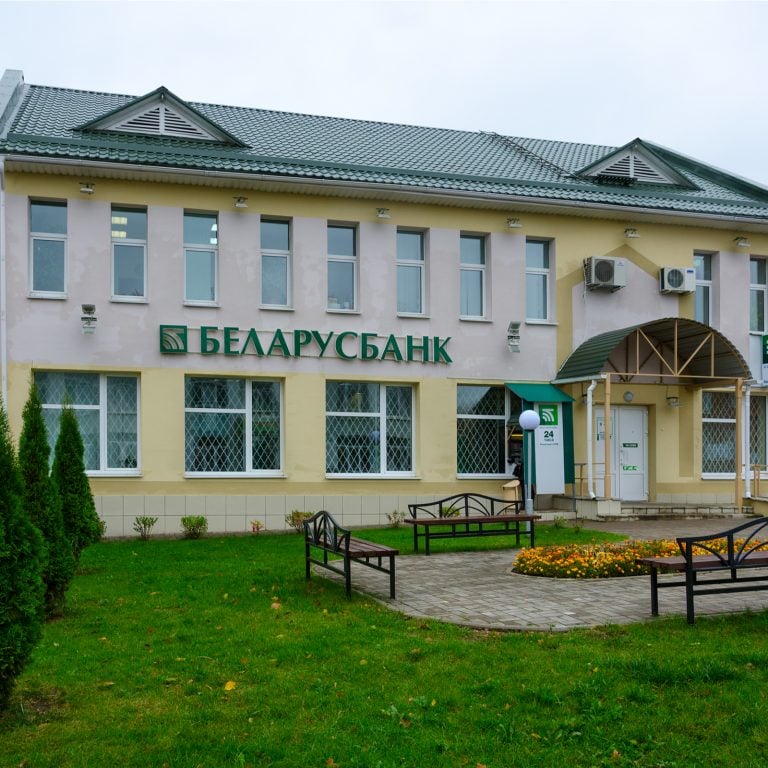
According to a report by the state-owned Belarusian Telegraph Agency, Belarusbank is now examining the feasibility of setting up a digital asset exchange, as the bank’s chairman of the board Viktor Ananich told the Belarus 1 TV channel. This is seen as a part of a focus on digitalization that the bank plans for 2019. “We are considering a possibility to establish a cryptocurrency exchange. We are working on it,” Ananich said.

Belarus' Largest Commercial Bank May Establish a Cryptocurrency Exchange

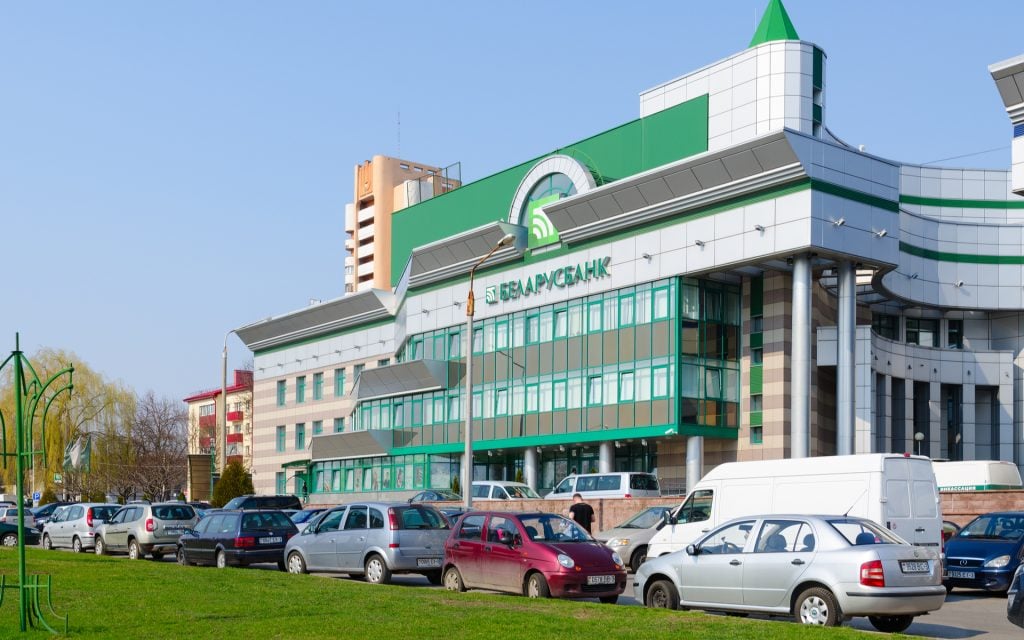
Belarusbank is completely controlled by the State Property Committee of the Republic of Belarus which owns almost 99% of the bank’s shares. It is considered to be the largest commercial bank in the country by the total amount of assets it holds, number of branches and other metrics. It provides banking services to individuals as well as large organizations such as the Belarusian Oil Company and Gazprom Transgaz Belarus.

The Digital Landscape in Belarus

While it is not as established as Switzerland or Malta, Belarus has taken steps to promote the development of its domestic cryptocurrency industry. The government legalized business activities related to digital assets back in March 2018, and adopted new regulations aimed at creating even more favorable conditions for cryptocurrency startups later in the year. In November, news.Bitcoin.com reported that the number of companies registered in the Belarus High Technologies Park had increased to almost 400.

Belarus' Largest Commercial Bank May Establish a Cryptocurrency Exchange
Minsk, Belarus

Earlier this month, the country made headlines when it was announced that Currency.com, which is licensed in Belarus, will launch a new trading platform for tokenized securities. The company plans to issue over 10,000 tokens that will track the underlying price of shares, indices and commodities.

Would you use a centralized cryptocurrency exchange held by a commercial bank? Share your thoughts in the comments section below.


Images courtesy of Shutterstock.


Verify and track bitcoin cash transactions on our BCH Block Explorer, the best of its kind anywhere in the world. Also, keep up with your holdings, BCH and other coins, on our market charts at Satoshi’s Pulse, another original and free service from Bitcoin.com.

The post Belarus’ Largest Commercial Bank May Establish a Cryptocurrency Exchange appeared first on Bitcoin News.

from Bitcoin News http://bit.ly/2WsFZVt Belarus’ Largest Commercial Bank May Establish a Cryptocurrency Exchange

#Blockchain The Daily: Iran Said to Announce Crypto-Rial This Week, Italy Closer to Crypto Regulation

The Daily: Iran Said to Announce Crypto-Rial This Week, Italy Closer to Crypto Regulation

In this edition of The Daily, Iran is reportedly preparing to announce its national cryptocurrency during a conference starting on Jan. 29. Also, a draft decree introducing legal definitions for terms related to cryptocurrencies has been introduced in the Italian Senate and the IMF has voiced concerns over Malta’s blockchain industry while recognizing the positive growth prospects for the island nation.

Also read: Crypto Wallet Raises $15 Million, Localbitcoins Suffers Vulnerability

Report: Iran to Unveil Sovereign Coin Within Days

Iran is expected to present its state-issued cryptocurrency at the end of this month. The digital coin, meant to help the Islamic Republic circumvent U.S. sanctions, is likely to be announced during the annual Electronic Banking and Payment Systems conference which begins this Tuesday, Jan. 29, in the capital Tehran, Al Jazeera reported. This year’s two-day forum will be held under the slogan “Blockchain Revolution.”

The Daily: Iran Said to Announce Crypto-Rial This Week, Italy Closer to Crypto Regulation

Iranian authorities stepped up the plan to develop a sovereign cryptocurrency after President Trump’s administration pulled out of the nuclear deal and reimposed sanctions last summer. In November, the country’s central bank was cut off from the international banking network Swift. Additional measures to restrict its access to the U.S. currency were introduced. Shortly after, major crypto exchanges stopped offering services to Iranian residents.

According to the report, the new Iranian cryptocurrency will be rolled out in phases. Initially, a digital token backed by the national fiat, the Iranian rial, will be issued to facilitate payments between Iranian banks and other institutions active in the crypto space. There is also a possibility to introduce the crypto-rial as a payment instrument for the Iranian public at a later stage.

Iran is believed to be working on its own version of a cross-border payment system that can be used in transactions with other countries excluded from Swift. During a crypto event in Yerevan in November, the Islamic Republic signed a blockchain cooperation agreement with Russia and Armenia. At the time, the president of the Russian crypto association Yuri Pripachkin commented: “According to our information, an active development of an Iranian version of Swift is currently under way.”

Italy Moves Closer to Adopting Crypto Regulations

Several members of the Italian Senate have proposed a draft piece of legislation which has been described as Rome’s first attempt to legally regulate certain aspects of the industry built around cryptocurrencies. The Decreto Semplificazioni has already passed two parliamentary committees – of Constitutional Affairs and of Public Works – and now has to be approved by the Senate and the Chamber of Deputies.

The Daily: Iran Said to Announce Crypto-Rial This Week, Italy Closer to Crypto Regulation

The document introduces legal definitions for terms associated with the crypto sector such as “smart contract” and “distributed ledger technology,” Italian media reported. According to the decree, the country’s Agenzia per l’Italia Digitale must create specific technical standards these technologies will be expected to meet. The standards should be adopted within three months following the enactment of the amendments.

The legislative proposal comes after last month the Italian Ministry of Economic Development published a list of 30 experts tasked to develop a comprehensive regulatory strategy regarding digital assets and blockchain technologies. In September, the ministry said that understanding these innovations is a “fundamental priority” for Italy.

IMF Worried About Malta’s Crypto Industry

In the past year, Malta has become a leading crypto-friendly jurisdiction in Europe, attracting some well-known companies in the sector such as Binance, Okex, ZB.com, and Bitbay. Many other businesses have either opened offices or have announced plans to establish presence there. The Maltese government adopted three bills designed to regulate cryptocurrencies and related technologies in the ‘Blockchain Island.’

The Daily: Iran Said to Announce Crypto-Rial This Week, Italy Closer to Crypto Regulation

But according to the International Monetary Fund, the growth of the industry has created “significant risks.” The IMF is worried that Malta’s financial system can be used for money laundering and terrorism financing, the Times of Malta reported quoting conclusions drawn by an IMF mission. In its preliminary findings, the mission has highlighted the blockchain sector, together with the financial and gaming industries, as posing threats to anti-money-laundering (AML) efforts. The strong demand for Malta’s citizenship-by-investment scheme has been also included in the list. All these have been a major source of income for the small European island nation.

The IMF mission urged authorities in Valletta to ensure that companies providing services related to digital assets fulfill AML requirements. The fund’s representatives were also worried about the effectiveness of the financial supervision efforts which they claim are constrained by insufficient regulatory capacity and deficiencies in the regulatory framework. Despite all these concerns, however, the mission admitted that the growth prospects for Malta remain favorable.

What are your thoughts on today’s news tidbits? Tell us in the comments section.


Images courtesy of Shutterstock.


Make sure you do not miss any important Bitcoin-related news! Follow our news feed any which way you prefer; via Twitter, Facebook, Telegram, RSS or email (scroll down to the bottom of this page to subscribe). We’ve got daily, weekly and quarterly summaries in newsletter form. Bitcoin never sleeps. Neither do we.

The post The Daily: Iran Said to Announce Crypto-Rial This Week, Italy Closer to Crypto Regulation appeared first on Bitcoin News.

from Bitcoin News http://bit.ly/2Rmmx8I The Daily: Iran Said to Announce Crypto-Rial This Week, Italy Closer to Crypto Regulation

#Blockchain Report: Indian Government Finalizing Crypto Regulatory Framework

Report: Indian Government Finalizing Crypto Regulatory Framework

The Indian government has reportedly confirmed that the report containing a regulatory framework for cryptocurrencies by an inter-ministerial committee is being finalized. This confirmation is in response to a Right to Information filing by a local news outlet.

Also read: Indian Supreme Court Moves Crypto Hearing, Community Calls for Positive Regulations

Report in ‘Finalization Stage’

Indian Government Confirms Crypto Regulatory Report Is Being Finalized
Subhash Chandra Garg

The Indian government has been working on crypto regulation for quite some time. The Inter-Ministerial Committee (IMC) headed by Subhash Chandra Garg, Secretary of the Department of Economic Affairs, is tasked with developing the country’s crypto regulatory framework.

On Friday, local news outlet Coin Crunch India wrote that this report is in the “finalization stage.” The publication filed a Right to Information (RTI) request with the Department of Economic Affairs on Dec. 13 last year asking three questions. The first inquires whether the panel has submitted its report to the Ministry of Finance. The second asks if the panel has recommended a ban on bitcoin. Lastly, the publication asked point-blank, “We would like to receive a copy of the report. Can we?”

Indian Government Confirms Crypto Regulatory Report Is Being Finalized

The Indian government finally replied to the RTI on Friday with only a brief statement:

The report of the committee is under finalization stage, hence, prohibited under section 8(3) of RTI Act, 2005.

The news outlet acknowledged that “Section 8 of the RBI [Reserve Bank of India] act allows an entity to withhold the data in certain circumstances.”

What the Report Should Contain

India’s Ministry of Finance explained to Lok Sabha, the country’s lower house of parliament, in December last year that the committee’s task is “to study all aspects of cryptocurrencies and crypto-assets including bitcoin,” adding:

The committee … is working to develop a framework for regulating cryptocurrencies.

Report: Indian Government Finalizing Crypto Regulatory Framework

Garg previously said that his committee’s draft report would be ready in July last year. However, it had reportedly been delayed. In November, Quartz India wrote that this draft report was expected to be placed before the IMC by December and circulated to IMC members at their next meetings in December and January.

Conflicting News of Indian Crypto Regulation

There have been several conflicting reports regarding the recommendations by Garg’s committee. Cnbc Tv18 reported in early December last year, citing anonymous sources, that the committee had recommended treating cryptocurrencies as illegal. In contrast, the New Indian Express published an article in the same month detailing that the committee had recommended legalizing cryptocurrencies “with strong riders.”

Indian Government Confirms Crypto Regulatory Report Is Being Finalized

Furthermore, the Ministry of Finance provided some clarification on the work done by Garg’s committee to Lok Sabha in December. “In absence of a globally acceptable solution and the need to devise [a] technically feasible solution, the department is pursuing the matter with due caution,” the ministry described. “It is difficult to state a specific timeline to come up with clear recommendations.”

What do you think the Indian government committee will recommend for crypto regulation? Let us know in the comments section below.


Images courtesy of Shutterstock and Subhash Chandra Garg.


Need to calculate your bitcoin holdings? Check our tools section.

The post Report: Indian Government Finalizing Crypto Regulatory Framework appeared first on Bitcoin News.

from Bitcoin News http://bit.ly/2RfaOJj Report: Indian Government Finalizing Crypto Regulatory Framework

#Blockchain Markets Update: Consolidation Continues as Traders Wait for a Breakout

Markets Update: Crypto Consolidation Perseveres as Traders Wait for a Breakout

On Sunday, Jan. 27, a vast majority of cryptocurrency markets have seen sideways consolidation as prices have been following a narrow range for over a week. A few major digital asset markets have seen decent gains this week, but most crypto prices remain tight as traders await a strong breakout.

Also read: Bloq Labs Reveals Software Suite That Aims to Increase Hash Power by Double Digits

That Narrow Range

At the time of publication, the entire cryptocurrency economy is valued at $118.6 billion. Since our last markets update, the entire market cap has shaved a few billion and daily trade volume worldwide has decreased a hair. This Sunday’s trade volume for all 2,000+ digital assets is around $16.4 billion. The leading cryptocurrency by market capitalization, bitcoin core (BTC), is currently trading for $3,581. BTC’s market cap captures $62.6 billion right now and global trade volume is roughly $5.5 billion. Ripple (XRP) holds the second position as each token is being swapped for $0.30 and the coin has a market valuation of $12.7 billion – officially, at least.

Markets Update: Consolidation Continues as Traders Wait for a Breakout
Top 10 cryptocurrencies on Jan. 27, 2019.

Below ripple is ethereum (ETH), which is trading for $113 per coin and has a $11.8 billion market cap. Out of the top five market caps, ETH’s 4% weekly loss is the deepest cut of them all. Lastly eos (EOS) is trading for $2.39 per coin and holds the fifth largest market valuation this weekend. One notable mention is the cryptocurrency tron, which has jumped to seventh position and gained more than 25% over the last seven days.

Bitcoin Cash (BCH) Market Action

Moving on to bitcoin cash (BCH) markets and the currency is being traded for $123 at the time of writing. BCH markets are down 2.8% today and have an overall market valuation of around $2.17 billion. The top exchanges this Sunday swapping the most bitcoin cash are Lbank, P2pb2b, Fcoin, Hitbtc, and Binance. Ethereum trades are dominating BCH swaps today as ETH captures 53% of all trades over the last 24 hours. This is followed by USDT (24.8%), BTC (12.2%), KRW (3.5%), and USD (3.4%) with JPY and EUR trailing not too far behind. It’s worth noting the South Korean won has captured a lot more BCH volume in recent days. Bitcoin cash is the eighth most traded coin today by volume below XRP, and just above ZEC.

Markets Update: Consolidation Continues as Traders Wait for a Breakout
BCH/USD daily chart. Jan. 27, 2019.

BCH/USD Technical Indicators

Looking at the BCH/USD charts on Bitstamp, particularly the four-hour and daily, shows BCH bulls continue to fail at breaking overhead resistance. At the moment, RSI levels are much closer to oversold conditions (-34.61) and MACd is meandering downward showing a similar reading. Looking at the two Simple Moving Averages (SMA) indicate the same sentiment as the long-term 200 SMA is still well above the short-term 100 SMA. This says the path toward the least resistance is still favoring the bears.

Markets Update: Consolidation Continues as Traders Wait for a Breakout
BCH/USD 4-hour Jan. 27, 2019 at 7:40 p.m. EST.

Moving on, we can see small dumps breaking light foundations and Bollinger Bands are extremely coiled indicating a strong move will take place soon. In terms of an upward breakout scenario, BCH bulls need to push past overhead resistance around $175. Currently, order books show there is heavy resistance between the current vantage point and $150. On the backside, there’s a bunch of support up to the $110 range, and then from there, things begin to lighten.

Markets Update: Consolidation Continues as Traders Wait for a Breakout
BCH/USD 4-hour Bitstamp. Jan. 27, 2019.

Monotonous Markets Usually Mean Something Will Happen Soon

For traders, the tedium and lack of volatility continue. Both ETH and BTC shorts positions on Bitfinex and Bitmex are not particularly high this weekend and uncertainty is still in the air. On Jan. 25, during an interview, Fundstrat founder Tom Lee touched on his previous year-long prediction of BTC charging to $25K by the end of 2018.

Markets Update: Consolidation Continues as Traders Wait for a Breakout
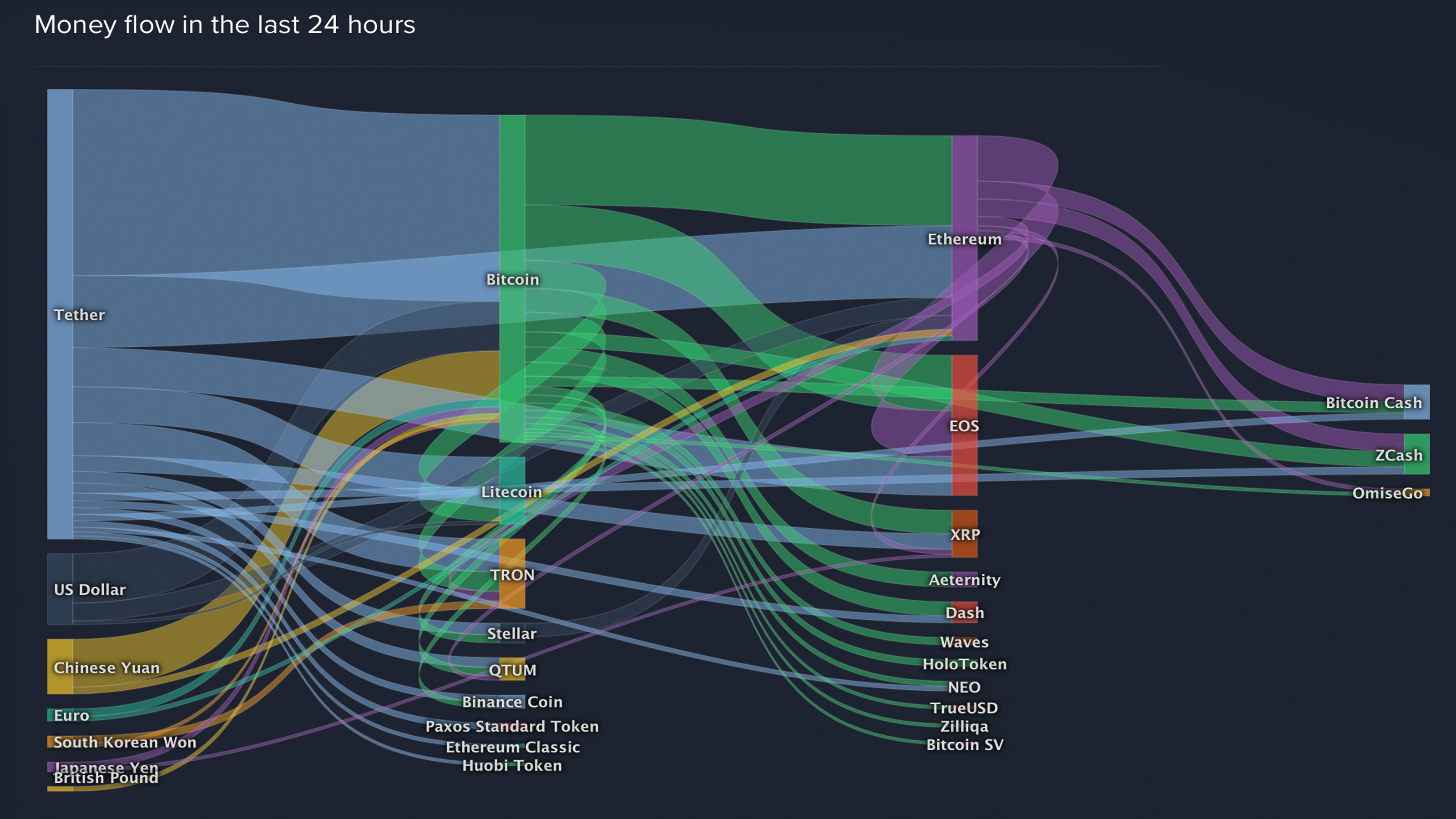
Money flow in the last 24 hours. Sunday, Jan. 27, 2019.

Lee says it was a “huge disappointment” that it didn’t come to fruition and made note of the initial coin offering (ICO) space collapsing. The Fundstrat executive still wholeheartedly believes his $25K forecast was “actually a fair value for bitcoin.” For now, that prediction seems very far off for the many depressed traders missing the days when everything was bullish.

Where do you see the price of BCH, BTC and other coins heading from here? Let us know in the comments below.

Disclaimer: Price articles and markets updates are intended for informational purposes only and should not to be considered as trading advice. Neither Bitcoin.com nor the author is responsible for any losses or gains, as the ultimate decision to conduct a trade is made by the reader. Always remember that only those in possession of the private keys are in control of the “money.”


Images via Shutterstock, Trading View, Bitstamp, Coinlib.io, and Satoshi Pulse.


Want to create your own secure cold storage paper wallet? Check our tools section.

The post Markets Update: Consolidation Continues as Traders Wait for a Breakout appeared first on Bitcoin News.

from Bitcoin News http://bit.ly/2HxXeRO Markets Update: Consolidation Continues as Traders Wait for a Breakout

#Blockchain 8 Food Delivery Sites That Accept Cryptocurrency

Food Delivery Sites That Will Take Your Digital Coins

Purchasing goods and services online with cryptocurrency is becoming increasingly popular. A growing number of takeaway platforms around the world are ready to accept your digital cash in exchange for a tasty meal, be it a pizza, burger or vegan dish.

Also read: 8 Crypto Debit Cards You Can Use Around the World Right Now

Get Pizza for Bitcoin

With pizza being among the first items purchased with bitcoin, it only seems fitting that we should start with a pizza delivery portal that accepts cryptocurrency. Pizzaforcoins is a service based in California where you can order from major chains such as Domino’s, Pizza Hut or Papa John’s.

Enter your address and the system will endeavor to find the nearest restaurants in your neighborhood. Then you’ll be prompted to choose a store and select one of two options – have the pizza delivered to your door or pick it up at the location.

8 Food Delivery Sites That Accept Cryptocurrency

The platform relays your order to the restaurant, once the payment is received, with available meals priced in BTC. Pizzaforcoins claims it accepts over 50 other cryptocurrencies through an integration with Shapeshift.

At the time of writing, however, the Check Address and Checkout functions in the shopping cart were not operating properly. This is likely to be a temporary issue as posts on crypto forums indicate that the website has operated successfully in the past.

Order a Dish With Digital Cash

Other, more established food ordering services offer bitcoin enthusiasts much larger menus to choose from. Amsterdam-headquartered Takeaway.com accepts cryptocurrency on some of the platforms it owns in Europe. One of them is Germany’s largest food delivery portal, Lieferando, acquired by the Dutch company four years ago.

Lieferando.de, which works with more than 11,000 restaurants, added bitcoin core (BTC) to its payment options in 2017, as news.Bitcoin.com reported. Because it uses Bitpay to process crypto transactions, the website now accepts bitcoin cash (BCH) as well. The same applies to its Polish subsidiary, Pyszne.pl, which partners with over 5,000 local restaurants.

8 Food Delivery Sites That Accept Cryptocurrency

Germany and Poland are Takeaway.com’s second and third largest market respectively. The company now operates 14 popular food delivery portals. Its other major platforms, including Takeaway’s Swiss edition and its original site in the Netherlands, Thuisbezorgd.nl, accept bitcoin.

Shuttle Delivery is a platform that introduced bitcoin cash (BCH) payments this past fall. It’s operating in and around the South Korean capital, Seoul. Shuttle Delivery allows BCH users to order food from over 200 restaurants in the area and pay for the meals with peer-to-peer electronic cash.

When Hungry

When Hungry is the international brand name of a young Russian food delivery service which is trying to conquer European markets such as Germany and the Baltic states. The platform, known in Russia as Хочу Поесть (Want to Eat), recently announced it’s accepting payments in ethereum (ETH) and its own digital token called WHY.

The portal currently works in 90 Russian cities and 31 cities in other CIS countries. It’s partnering with 800 restaurants in the region, none of which accepted cryptocurrencies prior to its decision to introduce the payment option.

To order any of the items in the menu with digital coins, users need to select ‘cryptocurrency’ when checking out and transfer the total amount to a crypto address. A large pizza can now be had for around 0.1 ether, which is much less, in crypto terms, than the 10,000 bitcoins paid for the first two pizzas bought with cryptocurrency back in 2009.

Do you expect more food delivery platforms to start accepting cryptocurrencies in the future? Tell us in the comments section below.


Images courtesy of Shutterstock, Lieferando, When Hungry.


At Bitcoin.com there’s a bunch of free helpful services. For instance, have you seen our Tools page? You can even lookup the exchange rate for a transaction in the past. Or calculate the value of your current holdings. Or create a paper wallet. And much more.

The post 8 Food Delivery Sites That Accept Cryptocurrency appeared first on Bitcoin News.

from Bitcoin News http://bit.ly/2FQdtrD 8 Food Delivery Sites That Accept Cryptocurrency

#Blockchain Bloq Labs Reveals Software Suite That Aims to Increase Hash Power by Double Digits

The blockchain organization Bloq Labs has introduced a beta version of a new software suite for cryptocurrency miners called Titan. Bloq co-founder Jeff Garzik announced the project at the recent Binance conference in Singapore and claims the protocol can maximize a mining machine’s hashrate by double digits with thoughtful configuration and dynamic adjustment.

Also read: An In-Depth Look at the Trezor Model T Hardware Wallet

Titan’s Mining Management Software Suite Claims to Increase Hash Power by Double Digits

Back in the spring of 2017, the company Bloq introduced a new part of the business called Bloq Labs that aims to support open source projects in the bitcoin and blockchain ecosystem. According to the company’s CEO, Jeff Garzik, Bloq Labs has created a waiting list for miners who want to participate in Titan’s beta testing. The Titan protocol is a software suite dedicated to overseeing cryptocurrency mining infrastructure. If configured correctly, Bloq Labs claims, Titan can increase a mining pool’s hash power “by double digits.” “Titan gets the most out of your machines,” explains the software’s website Titan.io.

Bloq Labs Reveals Software Suite That Aims to Increase Hash Power by Double Digits
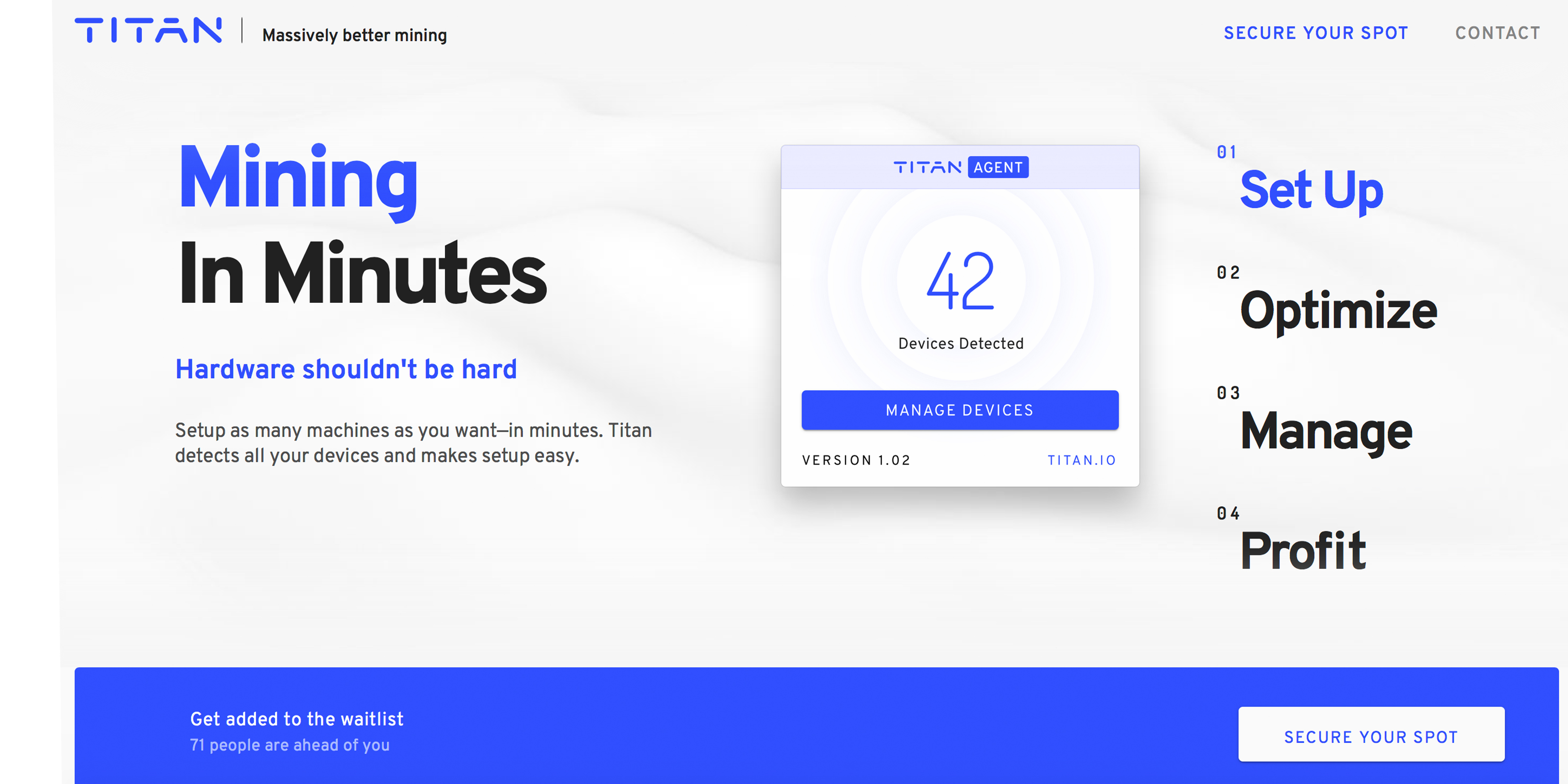
Titan has started its waiting list for beta trials.

According to Titan CEO Ryan Condron, the project has been working in stealth mode for some time now and says the software will make “crypto mining easier, more profitable, and more scalable.” Titan has opened its beta waitlist to the public and at the time of publication, there are 71 registrants so far according to the website counter. The Titan program is free to install but the company will gain profit from advanced hashrate production.

Maximize a Mining Rig’s Shelf Life With Titan’s Efficiency

Titan can be tethered to an entire mining farm, improve watt extraction, and provide further optimizations like enhancing overclocking through a proficient system of machine learning. The team hopes large mining facilities will be attracted to Titan’s offerings. Additionally, Titan’s software will be able to mine multiple cryptocurrencies with different consensus algorithms. The protocol will maximize the devices’ shelf life and shave operation costs by keeping machines up to speed, the company’s website explains. Titan’s website also notes that less downtime in the mining industry equals more money.

Bloq Labs Reveals Software Suite That Aims to Increase Hash Power by Double Digits
Titan CTO Kyle Howlett says “[Titan] is a fully integrated and comprehensive software suite that not only utilizes existing tools but adds a whole new layer of automation and optimization onto any mining operation.”

“The fact is, managing mining hardware is a very manual process — Not only do you have to individually access and configure each device, but you must continually monitor and adjust your devices to make sure that they are online and mining the most profitable coin,” explained Condron during the beta launch announcement. “Additionally, there’s the balancing act of managing operational costs and physical infrastructure concerns, such as electricity costs, wire management, and heat dissipation.”

The Titan project is also led by the creator of the cryptocurrency mining profitability website Coinwarz Kyle Howlett. The project’s CTO has been creating mining tools for better ROI since 2012 and he believes the new software takes things to the next level. If configured properly with a mining farm the Titan software brings plug-and-play capabilities to mining, emphasized Howlett. Further, the organization detailed that it has a slew of new optimization features to disclose in the coming months.

What do you think about Titan’s mining management software? Let us know what you think in the comments section below.


Image credits: Shutterstock, Titan, and Pixabay.


Have you seen our new widget service? It allows anyone to embed informative Bitcoin.com widgets on their website. They’re pretty cool, and you can customize by size and color. The widgets include price-only, price and graph, price and news, and forum threads. There’s also a widget dedicated to our mining pool, displaying our hash power.

The post Bloq Labs Reveals Software Suite That Aims to Increase Hash Power by Double Digits appeared first on Bitcoin News.

from Bitcoin News http://bit.ly/2G1gR24 Bloq Labs Reveals Software Suite That Aims to Increase Hash Power by Double Digits