SLEEK EV Secures First Closing of US$8.5 Million in Series A funding led by KYMCO Capital, with earlier participation from January Capital, Krungsri Finnovate, and ORZON Ventures
SLEEK EV Secures First Closing of US$8.5 Million in Series A funding led by KYMCO Capital, with earlier participation from January Capital, Krungsri Finnovate, and ORZON Ventures


SLEEK EV Secures First Closing of US$8.5 Million in Series A funding led by KYMCO Capital, with earlier participation from January Capital, Krungsri Finnovate, and ORZON Ventures

Bangkok, Feb. 05, 2026 (GLOBE NEWSWIRE) —

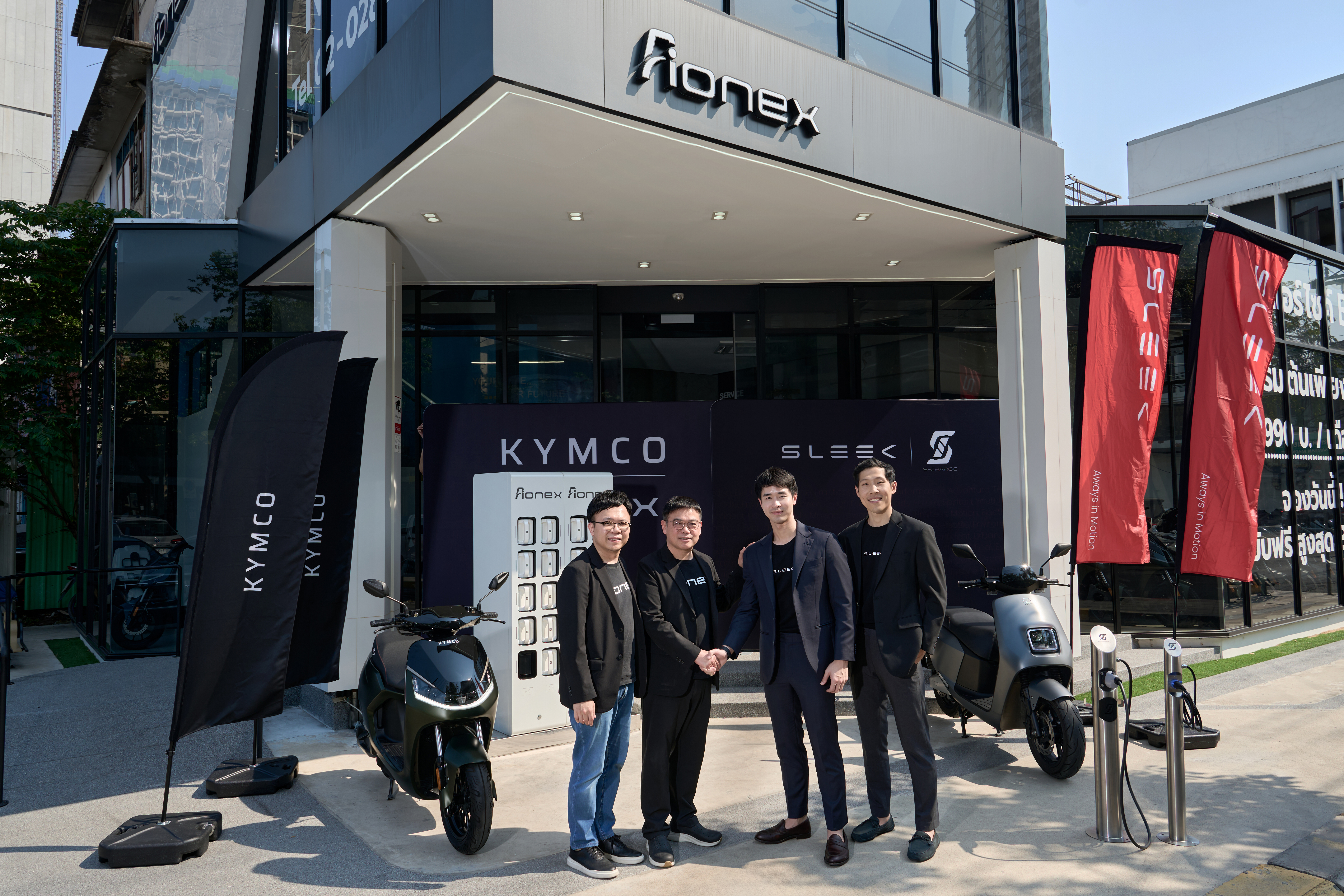
SLEEK EV (“SLEEK” or the “Company”), a leading technology manufacturer and innovator in the vehicle electrification sector, predominantly with electric scooters, today announced an US$8.5 million first close in its Series A funding round. The round was led by KYMCO Capital, a private equity fund invested by global powersports manufacturer Kwang Yang Motor Co., Ltd (KYMCO) and more than twenty supply chain players from Taiwan and China.

This investment marks a significant milestone as the Company prepares to accelerate SLEEK’s expansion pan-Thailand and position Thailand as Southeast Asia’s electric motorcycle hub. The funding will enable SLEEK to scale up production capacity in an expanded facility along the Eastern Economic Corridor (EEC), accelerate product research and development to deliver cutting edge A.I.-driven software and A.I. agents for enhanced user experience, and deepen its geographical footprint in Thailand by adding more EV S-Charge stations by more than seven times. Leveraging existing relationships with partners such as PTT OR, Krungsri Auto, Toyota Tsusho, and Grab, SLEEK will continue to forge new strategic channel partnerships with dealers and national regulatory bodies to achieve greater mindshare and product deliveries as well as to set a new standard for regional charging and battery swapping on electric motorcycles to achieve safety, quality, and operational efficiency respectively.

SLEEK EV’s long-term ambition is to become APAC’s trusted Full Stack EV Motorcycle Operating System, where partners collaborate, data compounds, and actions convert to a new way of urban mobility. KYMCO Capital, a strategic partner and investor, will bring along 60 years of industry experience in the two-wheelers to SLEEK EV and will support in its effort to optimize supply chains, synergize the proliferation of battery and charging /swapping technologies, and supercharge its distribution across Southeast Asia.

“This investment from KYMCO Capital is a strategic one. It validates our technology and our ability to compete in global markets. SLEEK EV is not just an electric motorcycle manufacturer. We are redefining vehicle electrification with an end-to-end ecosystem solution – from manufacturing, charging infrastructure, and an integrated software that binds everything together. Our goal is simple. We want to make Thailand the electric motorcycle hub of ASEAN. Our target is to be the #1 EV motorcycle brand in Thailand by end-2026.” said Kantinan Tunveenukoon (Ben), CEO & Co-founder of SLEEK EV. “With KYMCO Capital, we are doubling down on the EV ecosystem with quality products, robust technology stack, and like-minded stakeholders who can drive this forward with us.”

Gary Ting, Managing Partner of KYMCO Capital, shared that “KYMCO Capital has committed to supporting Thai electric vehicle ecosystem based on what they had built up in Taiwan and China. This investment in SLEEK EV exemplifies our ecosystem in the Southeast Asian markets. This partnership embodies the next generation of urban infrastructure transformation through vehicle electrification. With KYMCO deep capabilities coupled with SLEEK EV offerings, we see ourselves empowering all businesses and governments to go electric. We strongly believe that SLEEK EV ecosystem approach in Thailand will play a vital role in building a greener future.”

ABOUT SLEEK EV
Headquartered in Singapore and operating in Thailand, SLEEK EV is an Internet-of-Things (“IoT”)-enabled Electric Scooter manufacturer designed for urban riding. SLEEK’s mission is to redefine vehicle electrification for urban living, enabling a sustainable future. SLEEK’s technology stack is all encompassing with scooter hardware equipped with IoT and synced with a mobile application for users to enjoy a seamless customer experience.

For more information on SLEEK EV, please visit: http://www.sleekev.com

ABOUT KYMCO CAPITAL
KYMCO Capital KYMCO Capital is a professional fund management firm specializing in the global mobility sector. Currently managing equity investment funds with total Assets Under Management (AUM) exceeding NT$100 billion, KYMCO Capital investment portfolio spans core technologies including Electric Vehicles (EVs), Internet of Vehicles (IoV), AI, batteries, and energy management. Our strategic footprint extends across Taiwan, the United States, Mainland China, Southeast Asia, and Japan. In response to the global “Net-Zero” transition, KYMCO Capital leverages a strategy of “Capital Operations and Business Development” to build a cross-industry, multinational integration platform.

For more information on KYMCO Capital, please visit: http://www.kymcocapital.com

FOR INVESTORS AND MEDIA ENQUIRIES, PLEASE CONTACT:
SLEEK EV PTE. LTD.
Email: press@sleekev.com

KYMCO CAPITAL
Email: info@kymcocapital.com 

CONTACT: FOR INVESTORS AND MEDIA ENQUIRIES, PLEASE CONTACT:

SLEEK EV PTE. LTD.
Email: press@sleekev.com

KYMCO CAPITAL
Email: info@kymcocapital.com 
SLEEK EV Secures First Closing of US$8.5 Million in Series A funding led by KYMCO Capital, with earlier participation from January Capital, Krungsri Finnovate, and ORZON Ventures

SLEEK EV Secures First Closing of US$8.5 Million in Series A funding led by KYMCO Capital, with earlier participation from January Capital, Krungsri Finnovate, and ORZON Ventures


SLEEK EV Secures First Closing of US$8.5 Million in Series A funding led by KYMCO Capital, with earlier participation from January Capital, Krungsri Finnovate, and ORZON Ventures

Bangkok, Feb. 05, 2026 (GLOBE NEWSWIRE) —

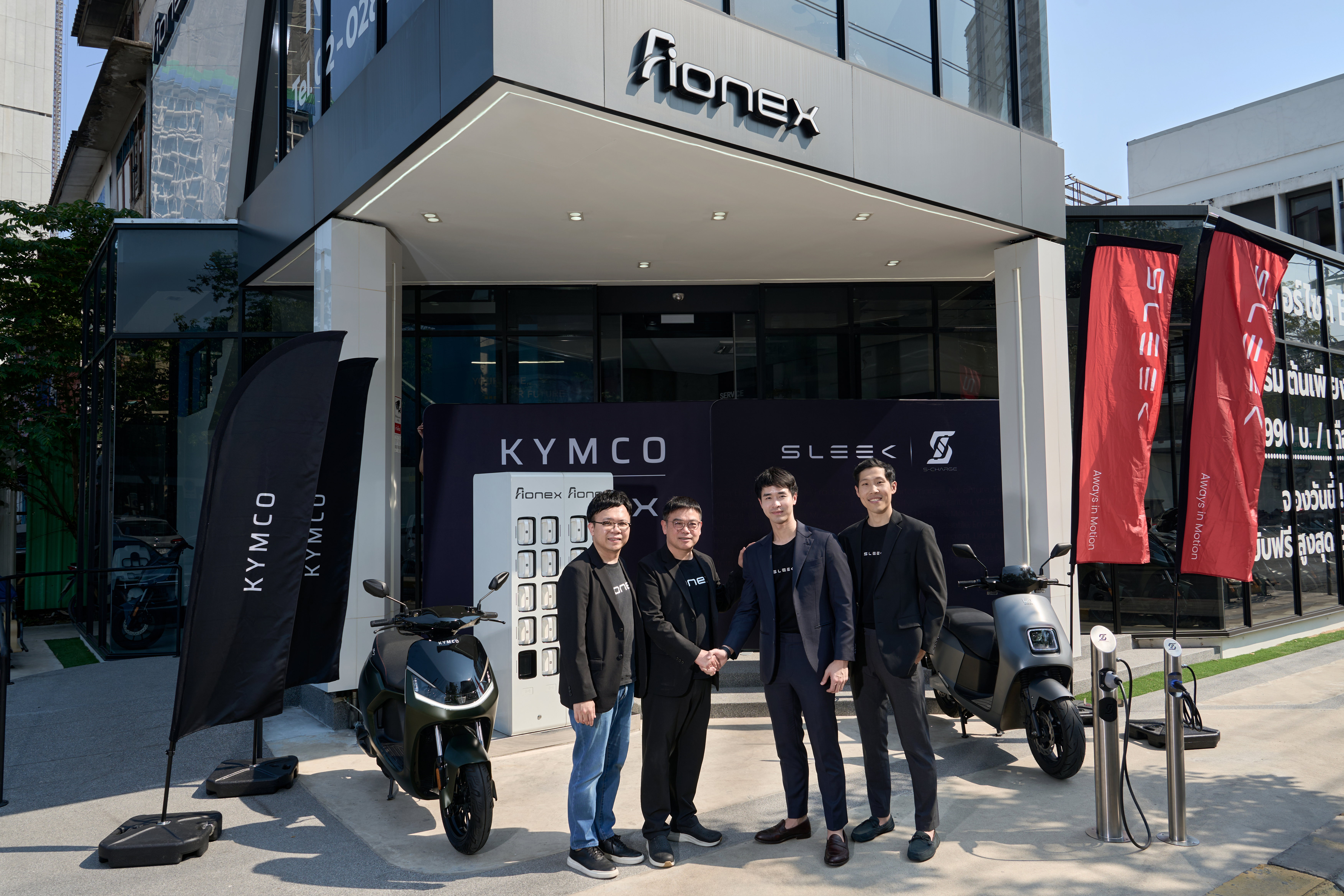
SLEEK EV (“SLEEK” or the “Company”), a leading technology manufacturer and innovator in the vehicle electrification sector, predominantly with electric scooters, today announced an US$8.5 million first close in its Series A funding round. The round was led by KYMCO Capital, a private equity fund invested by global powersports manufacturer Kwang Yang Motor Co., Ltd (KYMCO) and more than twenty supply chain players from Taiwan and China.

This investment marks a significant milestone as the Company prepares to accelerate SLEEK’s expansion pan-Thailand and position Thailand as Southeast Asia’s electric motorcycle hub. The funding will enable SLEEK to scale up production capacity in an expanded facility along the Eastern Economic Corridor (EEC), accelerate product research and development to deliver cutting edge A.I.-driven software and A.I. agents for enhanced user experience, and deepen its geographical footprint in Thailand by adding more EV S-Charge stations by more than seven times. Leveraging existing relationships with partners such as PTT OR, Krungsri Auto, Toyota Tsusho, and Grab, SLEEK will continue to forge new strategic channel partnerships with dealers and national regulatory bodies to achieve greater mindshare and product deliveries as well as to set a new standard for regional charging and battery swapping on electric motorcycles to achieve safety, quality, and operational efficiency respectively.

SLEEK EV’s long-term ambition is to become APAC’s trusted Full Stack EV Motorcycle Operating System, where partners collaborate, data compounds, and actions convert to a new way of urban mobility. KYMCO Capital, a strategic partner and investor, will bring along 60 years of industry experience in the two-wheelers to SLEEK EV and will support in its effort to optimize supply chains, synergize the proliferation of battery and charging /swapping technologies, and supercharge its distribution across Southeast Asia.

“This investment from KYMCO Capital is a strategic one. It validates our technology and our ability to compete in global markets. SLEEK EV is not just an electric motorcycle manufacturer. We are redefining vehicle electrification with an end-to-end ecosystem solution – from manufacturing, charging infrastructure, and an integrated software that binds everything together. Our goal is simple. We want to make Thailand the electric motorcycle hub of ASEAN. Our target is to be the #1 EV motorcycle brand in Thailand by end-2026.” said Kantinan Tunveenukoon (Ben), CEO & Co-founder of SLEEK EV. “With KYMCO Capital, we are doubling down on the EV ecosystem with quality products, robust technology stack, and like-minded stakeholders who can drive this forward with us.”

Gary Ting, Managing Partner of KYMCO Capital, shared that “KYMCO Capital has committed to supporting Thai electric vehicle ecosystem based on what they had built up in Taiwan and China. This investment in SLEEK EV exemplifies our ecosystem in the Southeast Asian markets. This partnership embodies the next generation of urban infrastructure transformation through vehicle electrification. With KYMCO deep capabilities coupled with SLEEK EV offerings, we see ourselves empowering all businesses and governments to go electric. We strongly believe that SLEEK EV ecosystem approach in Thailand will play a vital role in building a greener future.”

ABOUT SLEEK EV
Headquartered in Singapore and operating in Thailand, SLEEK EV is an Internet-of-Things (“IoT”)-enabled Electric Scooter manufacturer designed for urban riding. SLEEK’s mission is to redefine vehicle electrification for urban living, enabling a sustainable future. SLEEK’s technology stack is all encompassing with scooter hardware equipped with IoT and synced with a mobile application for users to enjoy a seamless customer experience.

For more information on SLEEK EV, please visit: http://www.sleekev.com

ABOUT KYMCO CAPITAL
KYMCO Capital KYMCO Capital is a professional fund management firm specializing in the global mobility sector. Currently managing equity investment funds with total Assets Under Management (AUM) exceeding NT$100 billion, KYMCO Capital investment portfolio spans core technologies including Electric Vehicles (EVs), Internet of Vehicles (IoV), AI, batteries, and energy management. Our strategic footprint extends across Taiwan, the United States, Mainland China, Southeast Asia, and Japan. In response to the global “Net-Zero” transition, KYMCO Capital leverages a strategy of “Capital Operations and Business Development” to build a cross-industry, multinational integration platform.

For more information on KYMCO Capital, please visit: http://www.kymcocapital.com

FOR INVESTORS AND MEDIA ENQUIRIES, PLEASE CONTACT:
SLEEK EV PTE. LTD.
Email: press@sleekev.com

KYMCO CAPITAL
Email: info@kymcocapital.com 

CONTACT: FOR INVESTORS AND MEDIA ENQUIRIES, PLEASE CONTACT:

SLEEK EV PTE. LTD.
Email: press@sleekev.com

KYMCO CAPITAL
Email: info@kymcocapital.com 

AI-Native IT Documentation Platform Redefines How MSPs Work, Solving Pain Points and Generating Value in Real Time

AI-Native IT Documentation Platform Redefines How MSPs Work, Solving Pain Points and Generating Value in Real Time


AI-Native IT Documentation Platform Redefines How MSPs Work, Solving Pain Points and Generating Value in Real Time

Designed exclusively for MSPs, Lexful combines modern UX, native integrations, and generative AI to move IT documentation from outdated, static records to relevant, real-time operational intelligence and business value

LAS VEGAS, Feb. 04, 2026 (GLOBE NEWSWIRE) — Today at Right of Boom, Lexful introduced its AI-native, secure IT documentation platform built exclusively for MSPs to modernize operations.

Backed by IT Glue Founder Chris Day’s Top Down Ventures, and led by global tech executive Pinar Ormeci, the new Lexful platform is being praised by MSPs for addressing the known issues and unresolved challenges of existing IT documentation solutions, including broken search, outdated files, and no real-time capture of new and tribal knowledge. Additionally, MSPs are impressed by the proactive and reactive capabilities of the platform, taking to social media to share their experience and applaud the innovation, real-time search and support provided by the platform’s intelligent data assistant, aptly named Ask Lex.

“IT documentation has become one of the biggest operational risks and growth inhibitors facing today’s MSP community—resulting in serious blind spots, productivity loss and tech burnout,” said Pinar Ormeci, CEO, Lexful. “We built Lexful to be MSP-first, AI-native and ROI-rich. Together with Top Down Ventures, we are excited to bring intelligent innovation back to the core of the MSP model using AI to make IT documentation operationally reliable, secure, and ready for how MSPs work today and will work in the future.”

Putting AI to Work for the MSP 
Unlike traditional documentation platforms that layer AI onto old technology, Lexful’s AI-native architecture automatically creates, captures, maintains, and connects documentation and tribal knowledge across assets, procedures, credentials, and operational context.

Drawing on the expertise of its engineering talent, which combines the best of human and machine capabilities, as well as its Lexful Founders Circle of early MSP adopters, the platform’s in-depth features and ChatGPT-like interface are receiving rave reviews from early adopters.

“Lexful is building for MSPs, and you can feel that in every conversation we have,” said Jennifer Roy, CEO, Nucleus Networks. “The team genuinely wants to understand how we work each and every day and is open to feedback that actually shapes what they’re building. This is true partnership.”

“What’s exciting about Lexful is that partner feedback isn’t just collected — it’s discussed, challenged, and often acted on quickly. That’s not something you see often,” said Jeremy Kenney, Technology and Integration Manager, GlobalMac IT. “From an integration and operations perspective, being able to influence how a platform evolves — instead of adapting around it later — is where the real value is.”

“Most MSPs don’t have a ‘tool problem,’ they have an ‘operational mess’ problem,” said Mike Kolb, The MSP Hero. “Lexful has been loud about what they stand for: built for MSPs, AI-native, and aimed at real ROI. It’s one of the more meaningful upgrades MSP operations have seen in a long time.”

In addition to “Ask Lex,” the platform’s top-rated features include:

  • AI-assisted documentation creation that reduces manual effort and reliance on tribal knowledge.
  • Continuous intelligence linking assets, procedures, and operational context
  • Documentation structured for both technicians and AI-driven workflows
  • Contextual AI search alongside traditional search
  • Integrated password management
  • A security-first, zero-trust architecture designed for operational trust

Lexful’s day-one integration partners include Liongard and ScalePad.

“Under Pinar’s leadership and the deep talent of the Lexful engineering team, Lexful is shaping the industry in an AI-first world, putting business innovation back into the core of MSP daily operations,” said Chris Day, Founder & Chairman of Top Down Ventures and CEO of ScalePad.

“Top Down is investing in the future of the MSP stack and rethinking how the platforms MSPs rely on will operate for the next decade and beyond,” said Joel Abramson, Managing Partner at Top Down Ventures. “From evolving BCDR with Slide to reimagining IT documentation and knowledge through Lexful, our focus is on unifying fragmented data and enabling agentic automation that dramatically reduces manual work and unlocks a new level of scale for MSPs.”

For more information, visit www.lexful.ai. To schedule a demo of the Lexful platform, visit www.lexful.ai/demo

About Lexful
Lexful is an AI-native IT documentation platform built specifically for MSPs. Innovative and insightful, Lexful automatically captures and maintains IT documentation—turning static, outdated records, as well as tribal knowledge, into reliable, contextual intelligence teams can use. With smart automations, deep integrations, and a simple “Ask Lex” interface, Lexful keeps assets, procedures, and credentials accurate and accessible without manual effort. Secure by design, Lexful helps MSPs quickly standardize and scale operations, reduce documentation drift and operational friction, and deliver better service at scale.

Learn more and join the LexList at lexful.ai.

A photo accompanying this announcement is available at https://www.globenewswire.com/NewsRoom/AttachmentNg/0c76d788-7bb8-494f-b42d-47d10e7d78cc

CONTACT: Contact details: 
Suzanne Collier 
WhiteFox Marketing for Lexful 
suzanne@whitefoxpr.com

Ditto raises $9.2M to replace swiping with real dates for college students

Ditto raises $9.2M to replace swiping with real dates for college students


Ditto raises $9.2M to replace swiping with real dates for college students

As students grow tired of endless swiping and stalled conversations, Ditto is rethinking online dating from first principles. The iMessage-based matchmaker plans real dates for users, handling everything from the match to the logistics, so students can focus on showing up and connecting in real life.

Berkeley, Feb. 03, 2026 (GLOBE NEWSWIRE) — For a generation that lives on their phones, dating has somehow become more time-consuming and less social. College students swipe endlessly, juggle multiple chats, and still struggle to turn matches into actual dates. Ditto was created to remove that friction entirely. Today, the company announced a $9.2 million funding round to expand its iMessage-based matchmaker, which curates real, in-person dates for college students without swiping or small talk.

The seed round was led by Peak XV Partners with participation from Gradient, Scribble Ventures, Alumni Ventures, and Llama Venture. 

Ditto founders Eric Liu and Allen Wang.

The timing reflects a broader shift in how young people view dating apps. Many students feel burned out by platforms optimized for engagement rather than outcomes. On swipe-based apps like Tinder, Hinge and Bumble, users often spend weeks chatting without ever meeting, or abandon the process entirely. On average, it takes one thousand swipes on Tinder to lock in an IRL date. Ditto takes a fundamentally different approach by optimizing for one thing only: getting people on a real date. Instead of asking users to browse profiles or manage conversations, Ditto plans one date at a time and lets users decide whether to go.

How Ditto works.

“Our goal was to build something that actually helps people go on dates, not stay stuck in an app,” said Allen Wang, CEO and co-founder. “When you remove swiping and chatting, you remove a lot of the toxicity and anxiety that people associate with online dating. We plan the date, people show up, and real connections have a chance to form. 20% of our matches turned into actual dates.”

Ditto launched initially at UC San Diego and we went viral across sorority group chats and quickly expanded to UC Berkeley, USC, UCLA, and UC Davis.Ditto operates entirely over iMessage, where users already communicate daily. Users tell Ditto their preference for a date, such as ‘a 6 ‘2 hot nerd that brings me flowers’ or ‘an ABG who mastered leetcode’. After sharing their preferences and availability, users receive a text with a complete date plan, including the time, place, and details of their match, all centered around the campus they are near. After each date, Ditto collects feedback and incorporates these feedbacks into the user’s profile to improve future matches. The result is a system that feels personal, efficient, and low-pressure, while removing much of the anxiety and inefficiency associated with modern dating apps.

Ditto is kicking off 2026 by hosting 10 yacht parties across the U.S. The idea was huge hit when launched in SF in October 2025.

The company was founded by Allen Wang and Eric Liu, two Berkeley undergraduates who saw friends spend hours on dating apps without forming meaningful connections. Despite having relationships themselves, none had come from dating platforms, even after trying nearly all of them. That disconnect led them to believe the business model itself was broken. Dating apps were monetizing attention and time spent swiping, not successful outcomes. Ditto was designed to reverse that incentive structure and focus on results.

Since launching, Ditto has grown to more than 42,000 users across four college campuses with over 25% of users coming through referrals. User feedback consistently describes the experience as efficient, safe, and genuinely fun. Some users report long, memorable first dates, while others value the opportunity to meet interesting people without pressure, even when a romantic connection does not continue. In several cases, users have recommended Ditto to friends because it limits choice, builds anticipation, and encourages people to give each other a real chance rather than judging profiles on a screen.

The broader social context has also shifted. Concerns around loneliness, mental health, and digital fatigue are rising, particularly among young adults. At the same time, people increasingly want experiences that lead to real-world interaction rather than more screen time. Ditto sits at the intersection of those trends, using technology to facilitate offline connection rather than replace it.

With this funding, Ditto is kicking off 2026 by hosting 10 yacht parties across the U.S. starting in Los Angeles on Valentine’s Day. The idea was huge hit when launched in SF in October 2025.The event matches college students on blind dates using Ditto’s algorithm. Each yacht will host 100 college singles, matched into 50 couples. This will be the biggest yacht party in college history. Ditto is co-hosting these parties with the hottest school clubs and Greek life organizations in Los Angeles, New York, Boston, and more.

“Ditto is leveraging AI in a creative way to build a novel online dating experience — one which resembles a true matchmaking service.” said Vig Sachidananda, Partner at Gradient, “We’ve seen a great early response from users to this approach and we’re excited to continue to work with Ditto as they expand to college campuses across the US.”

Looking ahead, Ditto plans to expand beyond college campuses and eventually support other forms of connection, including professional networking and group social experiences. The long-term vision is to become a matchmaker for modern life, helping people turn intent into meaningful, real-world interactions, one plan at a time.

Media images can be found here

About Ditto
Ditto is a matchmaker on iMessage for college students. Ditto learns about users’ information and preferences, then scans the entire pool to find strong matches. Ditto plans one date at a time for each user—the user simply decides whether or not they want to go. After every date, Ditto collects feedback from the user to improve future matches. For more information please visit https://ditto.ai/ 

CONTACT: For further information please contact the Ditto press office on press@ditto.ai 

Ditto raises $9.2M to replace swiping with real dates for college students

Ditto raises $9.2M to replace swiping with real dates for college students


Ditto raises $9.2M to replace swiping with real dates for college students

As students grow tired of endless swiping and stalled conversations, Ditto is rethinking online dating from first principles. The iMessage-based matchmaker plans real dates for users, handling everything from the match to the logistics, so students can focus on showing up and connecting in real life.

Berkeley, Feb. 03, 2026 (GLOBE NEWSWIRE) — For a generation that lives on their phones, dating has somehow become more time-consuming and less social. College students swipe endlessly, juggle multiple chats, and still struggle to turn matches into actual dates. Ditto was created to remove that friction entirely. Today, the company announced a $9.2 million funding round to expand its iMessage-based matchmaker, which curates real, in-person dates for college students without swiping or small talk.

The seed round was led by Peak XV Partners with participation from Gradient, Scribble Ventures, Alumni Ventures, and Llama Venture. 

Ditto founders Eric Liu and Allen Wang.

The timing reflects a broader shift in how young people view dating apps. Many students feel burned out by platforms optimized for engagement rather than outcomes. On swipe-based apps like Tinder, Hinge and Bumble, users often spend weeks chatting without ever meeting, or abandon the process entirely. On average, it takes one thousand swipes on Tinder to lock in an IRL date. Ditto takes a fundamentally different approach by optimizing for one thing only: getting people on a real date. Instead of asking users to browse profiles or manage conversations, Ditto plans one date at a time and lets users decide whether to go.

How Ditto works.

“Our goal was to build something that actually helps people go on dates, not stay stuck in an app,” said Allen Wang, CEO and co-founder. “When you remove swiping and chatting, you remove a lot of the toxicity and anxiety that people associate with online dating. We plan the date, people show up, and real connections have a chance to form. 20% of our matches turned into actual dates.”

Ditto launched initially at UC San Diego and we went viral across sorority group chats and quickly expanded to UC Berkeley, USC, UCLA, and UC Davis.Ditto operates entirely over iMessage, where users already communicate daily. Users tell Ditto their preference for a date, such as ‘a 6 ‘2 hot nerd that brings me flowers’ or ‘an ABG who mastered leetcode’. After sharing their preferences and availability, users receive a text with a complete date plan, including the time, place, and details of their match, all centered around the campus they are near. After each date, Ditto collects feedback and incorporates these feedbacks into the user’s profile to improve future matches. The result is a system that feels personal, efficient, and low-pressure, while removing much of the anxiety and inefficiency associated with modern dating apps.

Ditto is kicking off 2026 by hosting 10 yacht parties across the U.S. The idea was huge hit when launched in SF in October 2025.

The company was founded by Allen Wang and Eric Liu, two Berkeley undergraduates who saw friends spend hours on dating apps without forming meaningful connections. Despite having relationships themselves, none had come from dating platforms, even after trying nearly all of them. That disconnect led them to believe the business model itself was broken. Dating apps were monetizing attention and time spent swiping, not successful outcomes. Ditto was designed to reverse that incentive structure and focus on results.

Since launching, Ditto has grown to more than 42,000 users across four college campuses with over 25% of users coming through referrals. User feedback consistently describes the experience as efficient, safe, and genuinely fun. Some users report long, memorable first dates, while others value the opportunity to meet interesting people without pressure, even when a romantic connection does not continue. In several cases, users have recommended Ditto to friends because it limits choice, builds anticipation, and encourages people to give each other a real chance rather than judging profiles on a screen.

The broader social context has also shifted. Concerns around loneliness, mental health, and digital fatigue are rising, particularly among young adults. At the same time, people increasingly want experiences that lead to real-world interaction rather than more screen time. Ditto sits at the intersection of those trends, using technology to facilitate offline connection rather than replace it.

With this funding, Ditto is kicking off 2026 by hosting 10 yacht parties across the U.S. starting in Los Angeles on Valentine’s Day. The idea was huge hit when launched in SF in October 2025.The event matches college students on blind dates using Ditto’s algorithm. Each yacht will host 100 college singles, matched into 50 couples. This will be the biggest yacht party in college history. Ditto is co-hosting these parties with the hottest school clubs and Greek life organizations in Los Angeles, New York, Boston, and more.

“Ditto is leveraging AI in a creative way to build a novel online dating experience — one which resembles a true matchmaking service.” said Vig Sachidananda, Partner at Gradient, “We’ve seen a great early response from users to this approach and we’re excited to continue to work with Ditto as they expand to college campuses across the US.”

Looking ahead, Ditto plans to expand beyond college campuses and eventually support other forms of connection, including professional networking and group social experiences. The long-term vision is to become a matchmaker for modern life, helping people turn intent into meaningful, real-world interactions, one plan at a time.

Media images can be found here

About Ditto
Ditto is a matchmaker on iMessage for college students. Ditto learns about users’ information and preferences, then scans the entire pool to find strong matches. Ditto plans one date at a time for each user—the user simply decides whether or not they want to go. After every date, Ditto collects feedback from the user to improve future matches. For more information please visit https://ditto.ai/ 

CONTACT: For further information please contact the Ditto press office on press@ditto.ai 

Mobility Fintech GoCab Raises $45M to Scale Electric Mobility and Financial Inclusion Across Africa

Mobility Fintech GoCab Raises $45M to Scale Electric Mobility and Financial Inclusion Across Africa


Mobility Fintech GoCab Raises $45M to Scale Electric Mobility and Financial Inclusion Across Africa

GoCab plans to expand its operations and fleet, aiming for 10,000 active vehicles and $100 million in annual recurring revenue within the next 24 months.

London, Feb. 03, 2026 (GLOBE NEWSWIRE) — Founded in 2024, GoCab was created to address a fundamental challenge across Africa: limited access to ethical financing and vehicle ownership for gig-economy workers. By combining mobility, technology, and inclusive finance, the company enables drivers and delivery couriers to generate stable income while progressively gaining ownership of their vehicles. By 2025, GoCab had taken a leading position in several African markets, supporting thousands of drivers and contributing to cleaner, more sustainable urban mobility systems.

GoCab was founded by Azamat Sultan and Hendrick Ketchemen, from the investment banking industry with deep expertise in structured finance and emerging markets. The company was built with a clear ambition: transform capital into a powerful tool for social mobility, financial inclusion, and long-term economic empowerment. Today, GoCab employs over 120 people across five countries, representing 18 nationalities.

GoCab team is on a mission to help drivers and couriers build ownership, stability, and long-term income.

The company has successfully closed a $45 million financing round, comprising $15 million in equity and $30 million in debt. The equity round was co-led by E3 Capital and JANNGO Capital, with participation from KawiSafi Ventures and Cur8 Capital. In parallel, GoCab has secured more than $30 million in debt commitments from Cur8 Capital and others as part of a broader $60 million Shariah-compliant debt facility currently under structuring.

This funding will allow GoCab to scale operations in its core African markets, expand into new high-growth cities across and outside the continent, significantly increase the share of electric vehicles within its fleet, and deploy AI-driven solutions for credit scoring, fleet optimisation, and risk management. Across five markets, GoCab now generates over $17 million in Annual Recurring Revenue (ARR) after just 18 months of operations and is on target to reach $50 million by end of 2026 and $100m in 2027.

GoCab cofounder Azamat Sultan.

“For us, GoCab is about restoring dignity and opportunity through ownership,” said Azamat Sultan, Co-Founder and Executive Chairman of GoCab. “Across Africa, millions of people are locked out of both mobility and finance. We saw how capital was flowing everywhere except to the people who actually needed it to work. This round allows us to scale responsibly expanding access to fair, ethical financing while accelerating the transition to electric mobility, lowering carbon emissions, and building a more inclusive and sustainable future in close alignment with our investors.”

GoCab cofounder Hendrick Ketchemen.

Hendrick Ketchemen, Co-Founder of GoCab, added: “Transforming lives and improving the daily reality of thousands of families is the mission we have set for ourselves. We believe that capital can and must become a powerful force for transformation across Africa and emerging markets.”

Investors highlighted GoCab’s positioning at the intersection of financial inclusion, climate-smart mobility, and the future of work. Vladimir Dugin, Managing Partner at E3 Capital, said: “The shortage of vehicles and the high cost of transportation remain two of the most pressing challenges across Africa. GoCab is addressing both head-on through a data- and technology-driven platform that expands access to mobility while improving efficiency at scale. Its rapidly growing EV fleet lowers costs for riders and drivers alike, while significantly reducing emissions. We are proud to support GoCab as it builds the leading pan-African mobility platform for the future.”

Fatoumata Bâ, Founder and Executive Chair of Janngo Capital, added: “We are proud to lead GoCab’s $15 million equity round, catalysing over $30 million in debt financing. We were impressed by their vision, their world-class team, and the quality of their execution. With this funding, GoCab now has the scale to deploy thousands of productive vehicles, each supporting a full-time income. With a clear operational roadmap toward 10,000 active assets and $100 million in recurring revenue, GoCab illustrates how ethical financing can translate into tens of thousands of decent jobs, household resilience, and sustainable growth at scale.”

Marcus Watson, Partner, KawiSafi Ventures commented: “GoCab is building critical infrastructure for climate-smart mobility and the future of work in emerging markets. The combination of disciplined execution, strong unit economics, and a clear impact thesis makes GoCab a compelling platform for sustainable growth.”

Africa is home to a rapidly growing gig workforce, yet millions of workers remain excluded from traditional financial systems. GoCab directly addresses this challenge by providing access to vehicles, structured ownership pathways, and predictable income opportunities. Electric mobility is a core pillar of the company’s strategy: by expanding its EV fleet, GoCab aims to reduce emissions, lower operating costs for drivers, and support African cities in building cleaner, more resilient transport ecosystems. With over 400 million gig workers globally, many of them based in Africa, GoCab positions itself at the intersection of financial inclusion, electric mobility, and technology-driven impact.

Media images can be found here

About GoCab
GoCab is a mobility and financial services platform enabling gig-economy workers in emerging markets to access productive assets through ethical, Shariah-compliant financing. By combining proprietary technology, structured private credit, and platform partnerships, GoCab helps drivers and couriers build ownership, stability, and long-term income. For more information please visit https://www.gocab.io/

About E3 Capital
E3 Capital is a leading early-stage venture capital firm backing companies that enable digitised, decentralised, and decarbonised business models across emerging markets. We aim to accelerate the transition to a lower-carbon economy by helping ambitious founders scale and bring transformative solutions to market that address the continent’s most pressing climate challenges—and beyond. We partner with forward-thinking entrepreneurs who harness digital technology to bridge the gap between climate transition and sustainable growth. E3 Capital is backed by a team of experienced entrepreneurs deeply committed to technology’s power to solve complex challenges in emerging markets. To learn more about E3 Capital visit: https://e3-cap.com/

About Janngo Capital
Janngo Capital  builds, grows, and finances pan-African digital champions that combine economic performance with inclusive social impact, driven by the conviction that technology and capital can accelerate development and the achievement of the SDGs in Africa. Janngo Capital manages the largest gender-equality-focused tech fund in Africa, investing up to €5 million in startups that provide innovative solutions to market failures while creating large-scale employment, particularly for women and youth. 56% of our portfolio companies are women-led, and 67% were founded in Francophone Africa — including champions such as Sabi and Expensya. We operate under a full-AIFM alternative investment fund management license, with offices in Abidjan, Paris, and Mauritius. Our investments span multiple sectors including health, logistics, financial services, e-commerce, agribusiness, mobility, and creative industries. Janngo Capital is the winner of the 2023 Africa CEO Forum Gender Equality Award. Learn more: www.janngo.africa

CONTACT: For further information please contact the GoCab press office: Bilal Mahmood on b.mahmood@stockwoodstrategy.com or +447714007257.

Coworking Spaces Market Report 2026 – Global Industry Size, Share, Trends, Opportunity, and Forecast to 2031

Coworking Spaces Market Report 2026 – Global Industry Size, Share, Trends, Opportunity, and Forecast to 2031


Coworking Spaces Market Report 2026 – Global Industry Size, Share, Trends, Opportunity, and Forecast to 2031

The Global Coworking Spaces Market is set for substantial growth, driven by rapid adoption of hybrid work models and demand for flexible real estate. Opportunities lie in offering agile workspace solutions to accommodate shifting corporate priorities and niche industry needs. Challenges include managing commercial real estate costs and maintaining occupancy.

Dublin, Jan. 26, 2026 (GLOBE NEWSWIRE) — The “Coworking Spaces Market – Global Industry Size, Share, Trends, Opportunity, and Forecast, 2021-2031” has been added to ResearchAndMarkets.com’s offering.

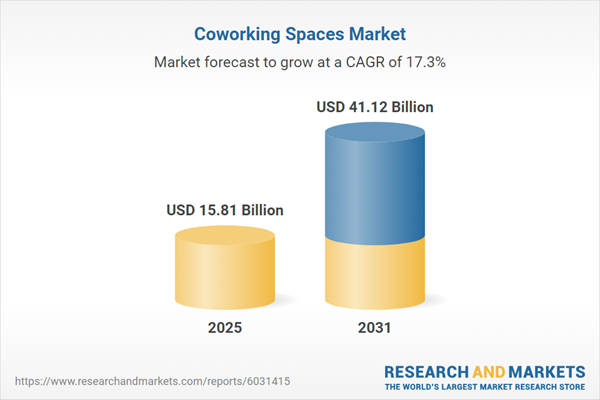
The Global Coworking Spaces Market is projected to expand significantly, rising from USD 15.81 Billion in 2025 to USD 41.12 Billion by 2031, reflecting a compound annual growth rate of 17.27%

This market consists of shared professional environments offering fully serviced, adaptable office amenities to a diverse client base ranging from freelancers and startups to major corporations. The growth is primarily fueled by a permanent transition toward hybrid work structures, necessitating flexible real estate solutions, alongside a growing preference among enterprise clients to shift from capital expenditures to operational costs. These drivers indicate a fundamental structural evolution in how organizations approach commercial real estate to ensure agility within a fluctuating economic environment, rather than merely representing temporary shifts.

Despite this robust expansion, the market faces hurdles regarding the instability of commercial real estate costs and the imperative to sustain high occupancy rates in saturated urban areas. Operators must navigate the complex task of offering competitive pricing while managing substantial lease liabilities and operational overheads. The sector’s resilience in the face of these challenges is evident in data from The Instant Group, which noted that in 2025, demand for flexible workspace in major global business hubs like Dubai maintained a compound annual growth rate of 13%, a trend largely sustained by corporate adoption.

Market Drivers

The rapid integration of hybrid and remote work models serves as a major driver for the industry, fundamentally changing how the workforce engages with physical office infrastructure. As organizations decentralize operations to support employees prioritizing shorter commutes and location flexibility, there is a surging demand for regional workspace hubs. This transition is evident in supply metrics, with operators expanding footprints to address distributed workforce needs; according to CoworkingCafe’s ‘Coworking Industry Report Q4 2024’ published in January 2025, national coworking space allocations in the United States increased by 3% in the fourth quarter, accumulating to nearly 137 million square feet.

Simultaneously, the corporate transition toward agile real estate portfolios is redefining revenue streams, moving focus from individual memberships to enterprise-level agreements. Large companies are actively reducing long-term lease risks by adopting flexible terms that enable them to adjust operations according to economic conditions. Highlighting this trend, CBRE’s ‘European Office Occupier Sentiment Survey 2025’, released in October 2025, indicates that occupiers aim to hold 29% of their total real estate portfolios in flexible space by 2027 to minimize capital commitments. This strategic shift is further demonstrated by major operators expanding to meet institutional demand, such as IWG PLC, which reported in March 2025 that it added 899 new locations to its global network throughout 2024.

Market Challenges

A primary obstacle to market growth is the volatility of commercial real estate expenses coupled with the constant pressure to maintain occupancy levels. This financial stress creates a structural disconnect between rigid, long-term lease liabilities and the fluid revenue generated from short-term contracts held by freelancers and businesses. Consequently, when operational costs increase or economic uncertainty leads to a temporary decline in demand, operators struggle to adjust fixed expenses quickly, resulting in severe margin compression and reduced capital availability for launching new locations.

This instability is particularly severe in dense business districts where an overabundance of office inventory drives aggressive price competition. According to NAIOP, the Commercial Real Estate Development Association, the average vacancy rate for commercial office space climbed to 11.8 percent in late 2024. Such high vacancy levels highlight the saturation within key urban centers, forcing operators to limit membership fees to remain competitive despite facing unpredictable property costs, thereby threatening the financial viability of those unable to balance competitive pricing with heavy real estate commitments.

Market Trends

The industry is currently undergoing a structural transition toward asset-light management agreements, wherein operators partner with property owners instead of committing to capital-intensive long-term leases. By converting fixed rental obligations into revenue-sharing models, this approach aligns landlord incentives with operator performance and mitigates financial risks linked to market volatility. This strategy enables rapid network expansion and protects margins without the heavy balance sheet liabilities that historically constrained the sector; for example, Coworking Europe reported in August 2025 that this capital-light structure drove a 26% revenue increase for IWG’s Managed and Franchised division during the first half of the year.

Concurrently, there is a significant rise in niche and industry-specific workspaces tailored to meet specialized professional needs beyond standard office requirements. Operators are curating environments with bespoke infrastructure, such as bio-labs for life sciences or recording studios for creative media, to command higher prices and foster stronger community retention. This specialization acts as a defensive measure against commoditization in dense urban markets by attracting tenants who need technical facilities unavailable in home or hybrid settings. According to the ‘Coworking Statistics And Key Trends Shaping The 2026 Flexible Workspace Industry’ report by Allwork.Space in December 2025, this segment has matured notably, with industry-specific coworking spaces now constituting a US$1.43 billion market globally.

Key Players Profiled in the Coworking Spaces Market

  • WeWork Inc.
  • Regus Group Ltd.
  • Spaces
  • Industrious National Management Company LLC
  • Knotel Inc.
  • Impact Hub GmbH
  • Serendipity Labs Inc.
  • The Office Group Ltd.
  • Mindspace Ltd.
  • Venture X Franchising, LLC

Report Scope

In this report, the Global Coworking Spaces Market has been segmented into the following categories:

Coworking Spaces Market, by Amenities:

  • Private Offices
  • Shared Spaces
  • Meeting Rooms
  • Cafes
  • Fitness Centres
  • Parking

Coworking Spaces Market, by Target Audience:

  • Freelancers
  • Startups
  • Small Businesses
  • Corporations
  • Remote workers

Coworking Spaces Market, by Value Added Services:

  • Reception Services
  • Mail Handling
  • Printing & Copying
  • Event hosting
  • Business Support Services

Coworking Spaces Market, by Region:

  • North America
  • Europe
  • Asia-Pacific
  • South America
  • Middle East & Africa

Key Attributes:

Report Attribute Details
No. of Pages 180
Forecast Period 2025 – 2031
Estimated Market Value (USD) in 2025 $15.81 Billion
Forecasted Market Value (USD) by 2031 $41.12 Billion
Compound Annual Growth Rate 17.2%
Regions Covered Global

For more information about this report visit https://www.researchandmarkets.com/r/vovqxn

About ResearchAndMarkets.com
ResearchAndMarkets.com is the world’s leading source for international market research reports and market data. We provide you with the latest data on international and regional markets, key industries, the top companies, new products and the latest trends.

Attachment

CONTACT: 
CONTACT: ResearchAndMarkets.com 
         Laura Wood,Senior Press Manager 
         press@researchandmarkets.com
         For E.S.T Office Hours Call 1-917-300-0470 
         For U.S./ CAN Toll Free Call 1-800-526-8630 
         For GMT Office Hours Call +353-1-416-8900 

Coworking Spaces Market Report 2026 – Global Industry Size, Share, Trends, Opportunity, and Forecast to 2031

Coworking Spaces Market Report 2026 – Global Industry Size, Share, Trends, Opportunity, and Forecast to 2031


Coworking Spaces Market Report 2026 – Global Industry Size, Share, Trends, Opportunity, and Forecast to 2031

The Global Coworking Spaces Market is set for substantial growth, driven by rapid adoption of hybrid work models and demand for flexible real estate. Opportunities lie in offering agile workspace solutions to accommodate shifting corporate priorities and niche industry needs. Challenges include managing commercial real estate costs and maintaining occupancy.

Dublin, Jan. 26, 2026 (GLOBE NEWSWIRE) — The “Coworking Spaces Market – Global Industry Size, Share, Trends, Opportunity, and Forecast, 2021-2031” has been added to ResearchAndMarkets.com’s offering.

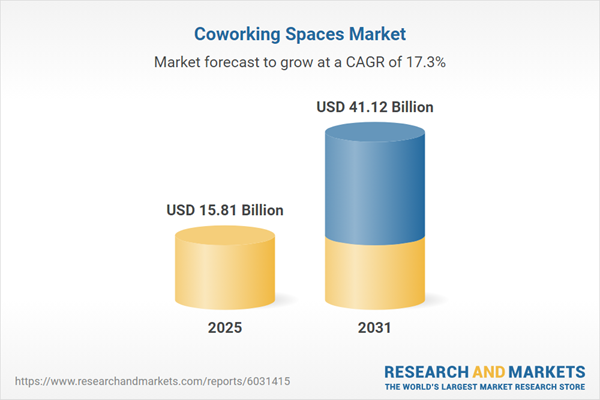
The Global Coworking Spaces Market is projected to expand significantly, rising from USD 15.81 Billion in 2025 to USD 41.12 Billion by 2031, reflecting a compound annual growth rate of 17.27%

This market consists of shared professional environments offering fully serviced, adaptable office amenities to a diverse client base ranging from freelancers and startups to major corporations. The growth is primarily fueled by a permanent transition toward hybrid work structures, necessitating flexible real estate solutions, alongside a growing preference among enterprise clients to shift from capital expenditures to operational costs. These drivers indicate a fundamental structural evolution in how organizations approach commercial real estate to ensure agility within a fluctuating economic environment, rather than merely representing temporary shifts.

Despite this robust expansion, the market faces hurdles regarding the instability of commercial real estate costs and the imperative to sustain high occupancy rates in saturated urban areas. Operators must navigate the complex task of offering competitive pricing while managing substantial lease liabilities and operational overheads. The sector’s resilience in the face of these challenges is evident in data from The Instant Group, which noted that in 2025, demand for flexible workspace in major global business hubs like Dubai maintained a compound annual growth rate of 13%, a trend largely sustained by corporate adoption.

Market Drivers

The rapid integration of hybrid and remote work models serves as a major driver for the industry, fundamentally changing how the workforce engages with physical office infrastructure. As organizations decentralize operations to support employees prioritizing shorter commutes and location flexibility, there is a surging demand for regional workspace hubs. This transition is evident in supply metrics, with operators expanding footprints to address distributed workforce needs; according to CoworkingCafe’s ‘Coworking Industry Report Q4 2024’ published in January 2025, national coworking space allocations in the United States increased by 3% in the fourth quarter, accumulating to nearly 137 million square feet.

Simultaneously, the corporate transition toward agile real estate portfolios is redefining revenue streams, moving focus from individual memberships to enterprise-level agreements. Large companies are actively reducing long-term lease risks by adopting flexible terms that enable them to adjust operations according to economic conditions. Highlighting this trend, CBRE’s ‘European Office Occupier Sentiment Survey 2025’, released in October 2025, indicates that occupiers aim to hold 29% of their total real estate portfolios in flexible space by 2027 to minimize capital commitments. This strategic shift is further demonstrated by major operators expanding to meet institutional demand, such as IWG PLC, which reported in March 2025 that it added 899 new locations to its global network throughout 2024.

Market Challenges

A primary obstacle to market growth is the volatility of commercial real estate expenses coupled with the constant pressure to maintain occupancy levels. This financial stress creates a structural disconnect between rigid, long-term lease liabilities and the fluid revenue generated from short-term contracts held by freelancers and businesses. Consequently, when operational costs increase or economic uncertainty leads to a temporary decline in demand, operators struggle to adjust fixed expenses quickly, resulting in severe margin compression and reduced capital availability for launching new locations.

This instability is particularly severe in dense business districts where an overabundance of office inventory drives aggressive price competition. According to NAIOP, the Commercial Real Estate Development Association, the average vacancy rate for commercial office space climbed to 11.8 percent in late 2024. Such high vacancy levels highlight the saturation within key urban centers, forcing operators to limit membership fees to remain competitive despite facing unpredictable property costs, thereby threatening the financial viability of those unable to balance competitive pricing with heavy real estate commitments.

Market Trends

The industry is currently undergoing a structural transition toward asset-light management agreements, wherein operators partner with property owners instead of committing to capital-intensive long-term leases. By converting fixed rental obligations into revenue-sharing models, this approach aligns landlord incentives with operator performance and mitigates financial risks linked to market volatility. This strategy enables rapid network expansion and protects margins without the heavy balance sheet liabilities that historically constrained the sector; for example, Coworking Europe reported in August 2025 that this capital-light structure drove a 26% revenue increase for IWG’s Managed and Franchised division during the first half of the year.

Concurrently, there is a significant rise in niche and industry-specific workspaces tailored to meet specialized professional needs beyond standard office requirements. Operators are curating environments with bespoke infrastructure, such as bio-labs for life sciences or recording studios for creative media, to command higher prices and foster stronger community retention. This specialization acts as a defensive measure against commoditization in dense urban markets by attracting tenants who need technical facilities unavailable in home or hybrid settings. According to the ‘Coworking Statistics And Key Trends Shaping The 2026 Flexible Workspace Industry’ report by Allwork.Space in December 2025, this segment has matured notably, with industry-specific coworking spaces now constituting a US$1.43 billion market globally.

Key Players Profiled in the Coworking Spaces Market

  • WeWork Inc.
  • Regus Group Ltd.
  • Spaces
  • Industrious National Management Company LLC
  • Knotel Inc.
  • Impact Hub GmbH
  • Serendipity Labs Inc.
  • The Office Group Ltd.
  • Mindspace Ltd.
  • Venture X Franchising, LLC

Report Scope

In this report, the Global Coworking Spaces Market has been segmented into the following categories:

Coworking Spaces Market, by Amenities:

  • Private Offices
  • Shared Spaces
  • Meeting Rooms
  • Cafes
  • Fitness Centres
  • Parking

Coworking Spaces Market, by Target Audience:

  • Freelancers
  • Startups
  • Small Businesses
  • Corporations
  • Remote workers

Coworking Spaces Market, by Value Added Services:

  • Reception Services
  • Mail Handling
  • Printing & Copying
  • Event hosting
  • Business Support Services

Coworking Spaces Market, by Region:

  • North America
  • Europe
  • Asia-Pacific
  • South America
  • Middle East & Africa

Key Attributes:

Report Attribute Details
No. of Pages 180
Forecast Period 2025 – 2031
Estimated Market Value (USD) in 2025 $15.81 Billion
Forecasted Market Value (USD) by 2031 $41.12 Billion
Compound Annual Growth Rate 17.2%
Regions Covered Global

For more information about this report visit https://www.researchandmarkets.com/r/vovqxn

About ResearchAndMarkets.com
ResearchAndMarkets.com is the world’s leading source for international market research reports and market data. We provide you with the latest data on international and regional markets, key industries, the top companies, new products and the latest trends.

Attachment

CONTACT: 
CONTACT: ResearchAndMarkets.com 
         Laura Wood,Senior Press Manager 
         press@researchandmarkets.com
         For E.S.T Office Hours Call 1-917-300-0470 
         For U.S./ CAN Toll Free Call 1-800-526-8630 
         For GMT Office Hours Call +353-1-416-8900 

Jelou Raises $10M to Build AI Apps That Move Money on WhatsApp

Jelou Raises $10M to Build AI Apps That Move Money on WhatsApp


Jelou Raises $10M to Build AI Apps That Move Money on WhatsApp

After proving its platform in highly regulated banking environments across Latin America, Jelou is now bringing WhatsApp-based transactional AI to U.S. businesses and SMBs.The company has already processed more than USD 100 million in financial operations through AI agents that execute payments, open bank accounts, and underwrite credit entirely inside messaging apps.

New York, Jan. 26, 2026 (GLOBE NEWSWIRE) — Messaging has become the primary way people communicate with businesses across the Americas, yet the actions that actually move money still happen elsewhere. Payments, identity checks, credit applications, and signatures are routinely pushed into apps, portals, or call centers, creating friction, abandonment, and operational cost. Jelou was built to close that gap by turning conversations into execution. Today, the company announced a $10 million Series A to expand Brain, its platform for building AI agents that securely execute real business and financial operations inside WhatsApp.

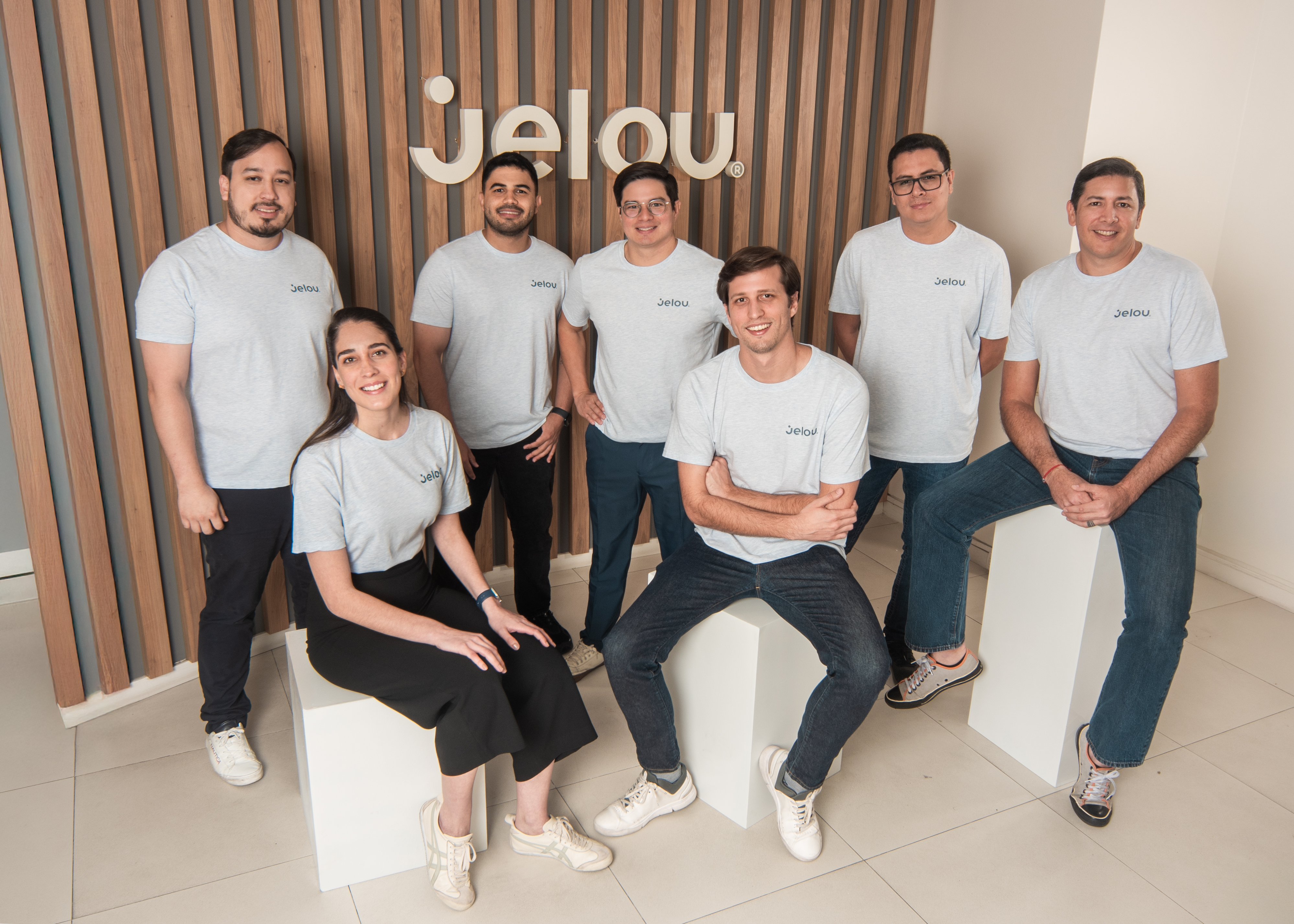
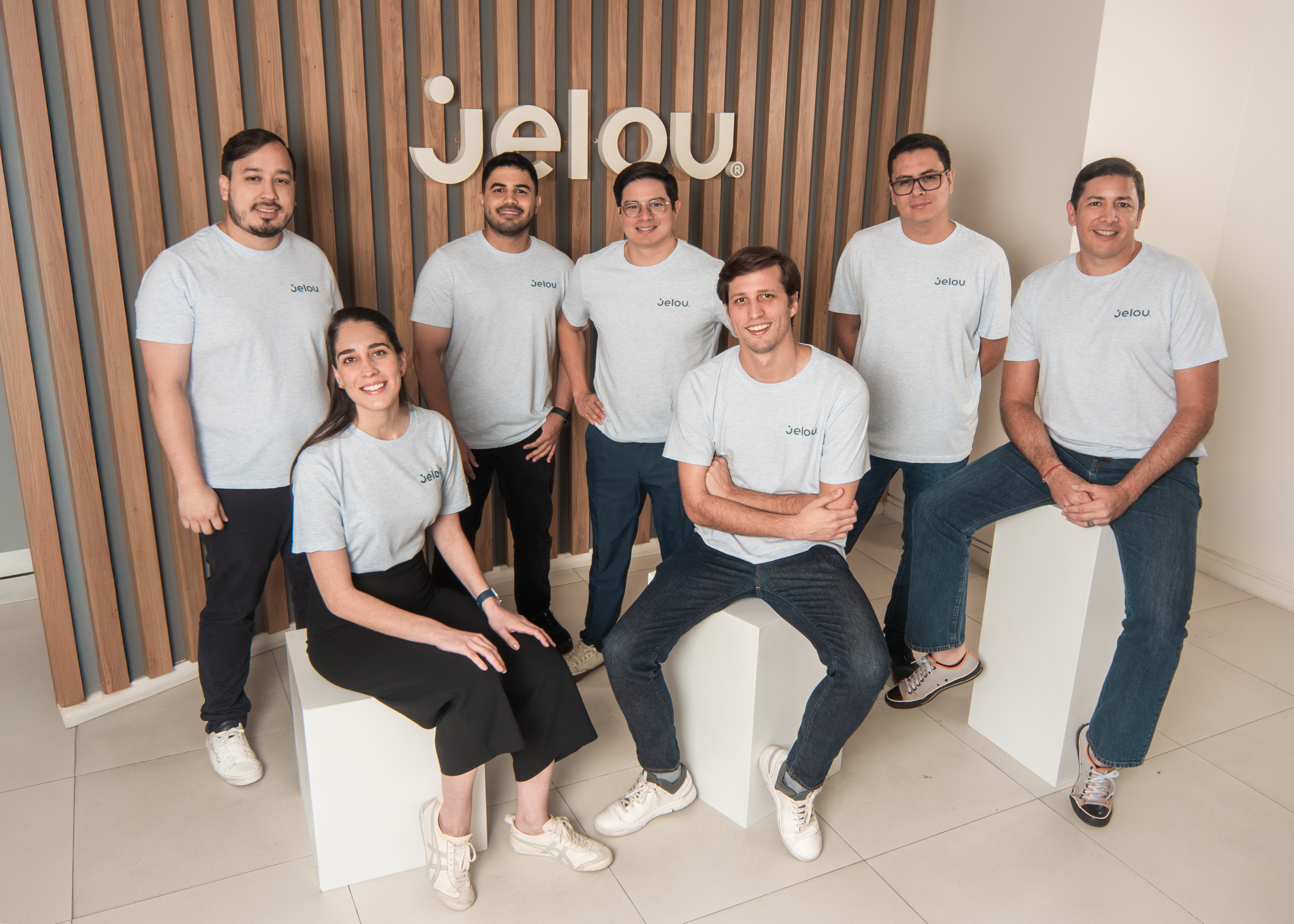
Jelou leadership team.

The round was led by Wellington Access Ventures, with participation from Krealo, Credicorp’s corporate venture arm, and Collide Capital. Jelou has now raised $13 million in total funding, including a $3 million Seed round led by Act One Ventures and Arca Continental Ventures.

The timing reflects a broader shift in how businesses interact with customers. Conversational channels like WhatsApp have become the default interface across Latin America, yet most AI tools remain limited to answering questions rather than completing transactions. At the same time, enterprises face rising pressure to reduce operating costs, improve conversion, and deploy AI that can integrate with existing systems without introducing security or compliance risk. Jelou’s approach focuses on execution, enabling AI agents to move work forward inside the conversation instead of handing it off to fragmented tools.

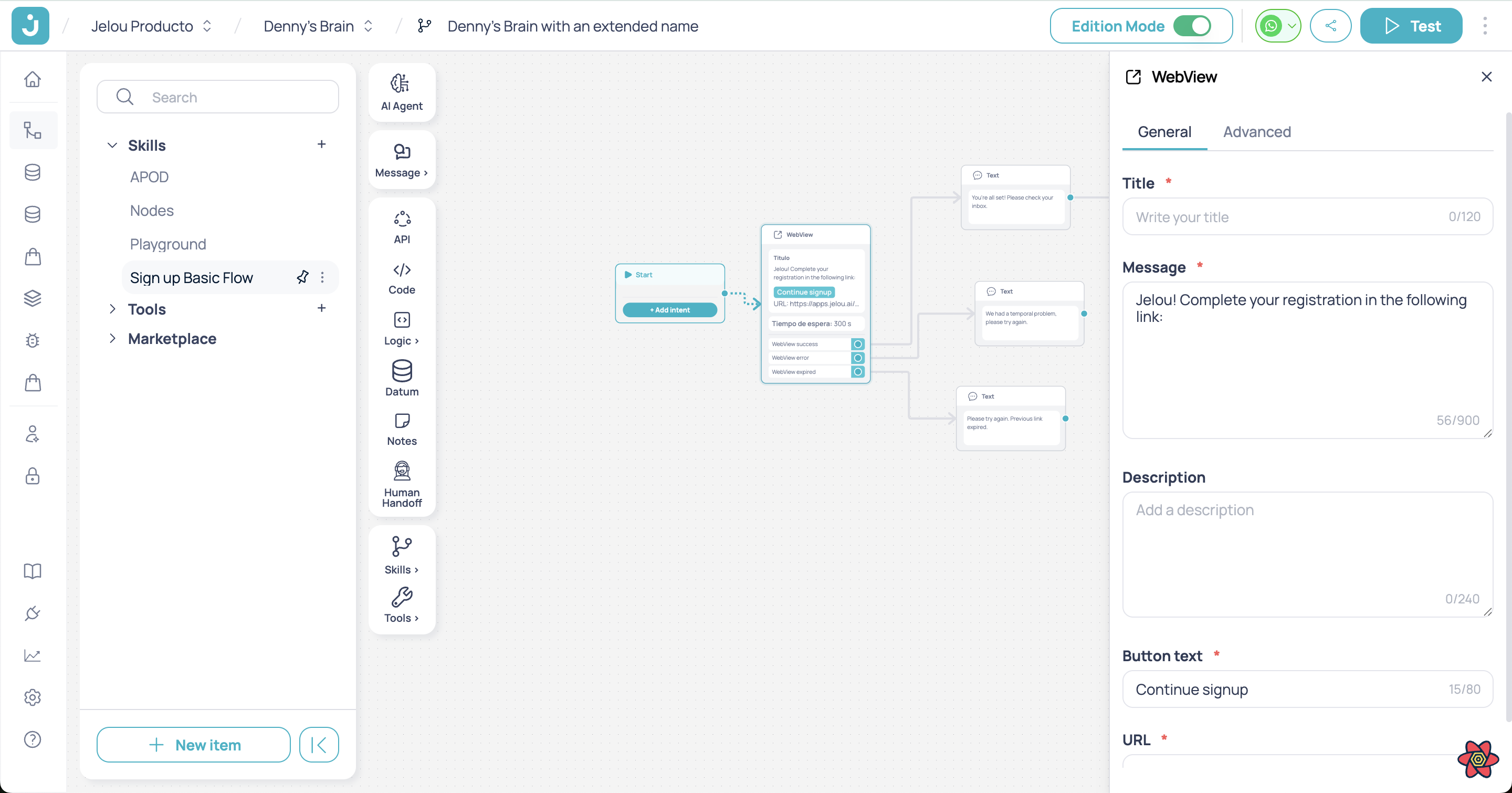
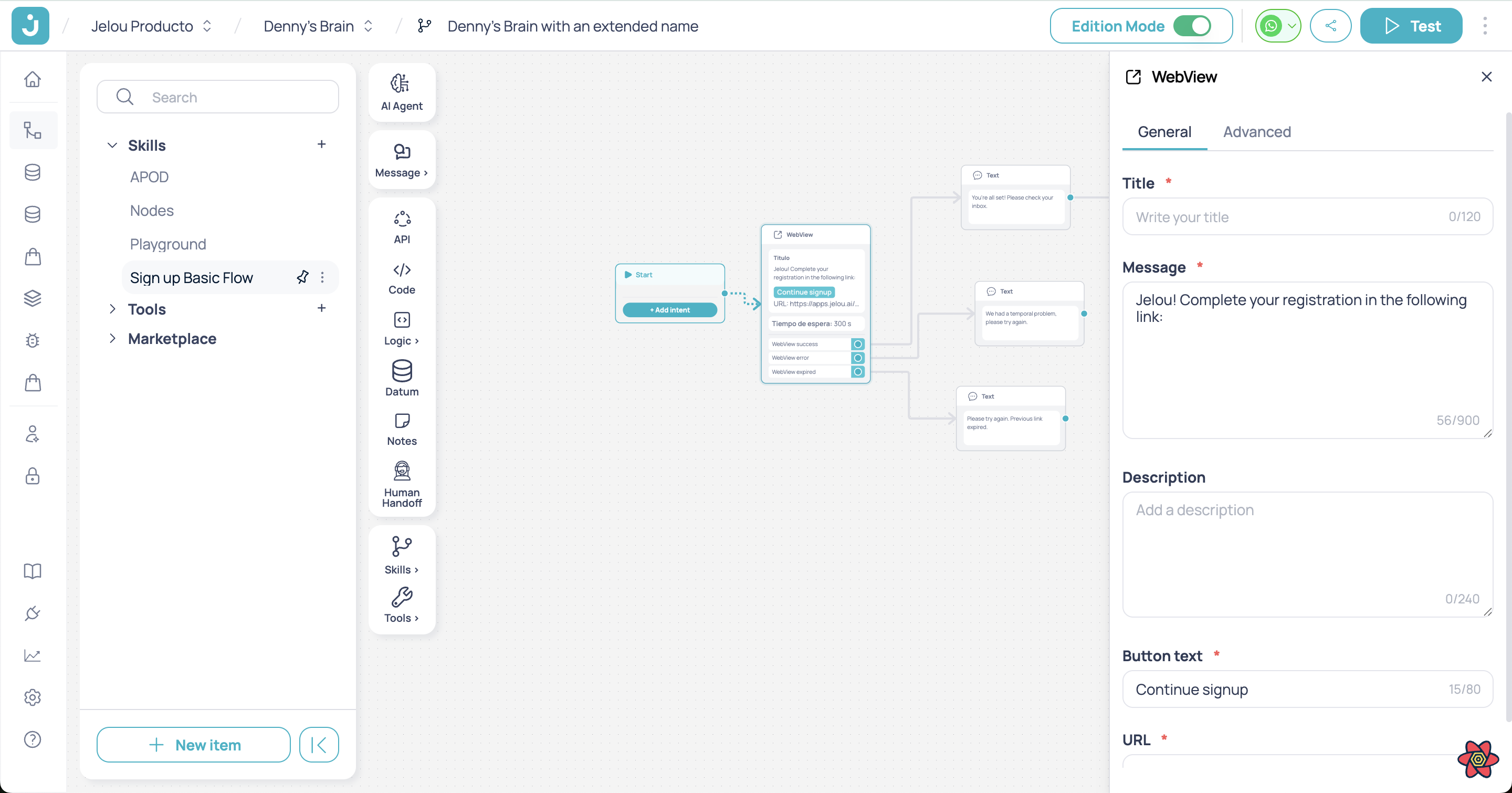
Jelou’s core product, Brain, is a platform that allows businesses and developers to create and operate AI agents that connect directly to their existing systems and perform transactional operations inside chat. Through Brain, companies can deploy agents that communicate with customers over WhatsApp, collect missing information, verify identity, trigger payments, and advance financial workflows using live system data. The platform includes a web-based studio with more than 3,000 integrations for building and integrating agents, as well as a conversation management layer that allows teams to oversee high-volume interactions while securely executing workflows such as payments, credit processes, and document signing.

Brain Studio Builder by Jelou. 

“When customers are most ready to act, things usually fall apart,” said Luis Loaiza, CEO and founder of Jelou. “They get redirected out of the conversation, put on hold, or asked to repeat themselves across systems. We built Brain so businesses can meet customers where they already are and complete the entire operation securely inside chat. This round allows us to scale that model across the Americas and push conversational AI beyond talk into execution.”

Jelou builds AI agents that enable companies to run financial operations inside conversational channels.

The company’s journey began in Ecuador in 2017, where founder Luis Loaiza and the Jelou team observed that messaging had become the dominant interface for commerce in the region, while execution remained fragmented and insecure. Drawing on more than a decade of experience building messaging and encrypted communication systems, the team set out to make chat a place where real business happens. Since then, Jelou has expanded across Latin America, processing more than $100 million in financial operations  and serving over 500 business customers across more than 13 countries, including banks, retailers, and consumer goods companies.

Jelou’s traction reflects a broader trend toward conversational commerce and agent-driven operations. As AI adoption accelerates, businesses are discovering that automation only delivers value when it is tightly integrated with existing infrastructure and designed for production from day one. In regions like Latin America, where companies must operate across diverse regulations, payment rails, and systems, the ability to deploy secure, scalable AI inside familiar channels is becoming a competitive necessity.

Jelou recognizes that the future of AI is centered around communication channels embedded within the everyday workflow,” said Jackson Cummings, Head of Wellington Access Ventures. “They are developing a platform that integrates voice AI, chat AI, payments, and identity into a single application layer. This strategic approach positions Jelou as an early mover in bringing transactional AI to messaging in Latin America.”

Looking ahead, Jelou plans to expand Brain into a full operating system for conversational business, enabling companies and developers to build, deploy, and manage production-ready WhatsApp applications directly from a prompt. The company’s vision is to make WhatsApp the primary operating layer for businesses across the region, with Jelou providing the platform that powers everything built on top of it.

Media images can be found here

About Jelou
Founded in Ecuador in 2017 by Luis Loaiza and Alberto Vera, Jelou builds AI agents that enable companies to run financial operations inside conversational channels. The company operates in more than 13 countries and serves over 500 clients across banking, retail, logistics, and consumer goods. Learn more at jelou.ai or start building in Brain OS at apps.jelou.ai/signup or follow via LinkedIn, Instagram, X or YouTube

CONTACT: For further information please contact the Jelou press office on marketing@jelou.ai 

Jelou Raises $10M to Build AI Apps That Move Money on WhatsApp

Jelou Raises $10M to Build AI Apps That Move Money on WhatsApp


Jelou Raises $10M to Build AI Apps That Move Money on WhatsApp

After proving its platform in highly regulated banking environments across Latin America, Jelou is now bringing WhatsApp-based transactional AI to U.S. businesses and SMBs.The company has already processed more than USD 100 million in financial operations through AI agents that execute payments, open bank accounts, and underwrite credit entirely inside messaging apps.

New York, Jan. 26, 2026 (GLOBE NEWSWIRE) — Messaging has become the primary way people communicate with businesses across the Americas, yet the actions that actually move money still happen elsewhere. Payments, identity checks, credit applications, and signatures are routinely pushed into apps, portals, or call centers, creating friction, abandonment, and operational cost. Jelou was built to close that gap by turning conversations into execution. Today, the company announced a $10 million Series A to expand Brain, its platform for building AI agents that securely execute real business and financial operations inside WhatsApp.

Jelou leadership team.

The round was led by Wellington Access Ventures, with participation from Krealo, Credicorp’s corporate venture arm, and Collide Capital. Jelou has now raised $13 million in total funding, including a $3 million Seed round led by Act One Ventures and Arca Continental Ventures.

The timing reflects a broader shift in how businesses interact with customers. Conversational channels like WhatsApp have become the default interface across Latin America, yet most AI tools remain limited to answering questions rather than completing transactions. At the same time, enterprises face rising pressure to reduce operating costs, improve conversion, and deploy AI that can integrate with existing systems without introducing security or compliance risk. Jelou’s approach focuses on execution, enabling AI agents to move work forward inside the conversation instead of handing it off to fragmented tools.

Jelou’s core product, Brain, is a platform that allows businesses and developers to create and operate AI agents that connect directly to their existing systems and perform transactional operations inside chat. Through Brain, companies can deploy agents that communicate with customers over WhatsApp, collect missing information, verify identity, trigger payments, and advance financial workflows using live system data. The platform includes a web-based studio with more than 3,000 integrations for building and integrating agents, as well as a conversation management layer that allows teams to oversee high-volume interactions while securely executing workflows such as payments, credit processes, and document signing.

Brain Studio Builder by Jelou. 

“When customers are most ready to act, things usually fall apart,” said Luis Loaiza, CEO and founder of Jelou. “They get redirected out of the conversation, put on hold, or asked to repeat themselves across systems. We built Brain so businesses can meet customers where they already are and complete the entire operation securely inside chat. This round allows us to scale that model across the Americas and push conversational AI beyond talk into execution.”

Jelou builds AI agents that enable companies to run financial operations inside conversational channels.

The company’s journey began in Ecuador in 2017, where founder Luis Loaiza and the Jelou team observed that messaging had become the dominant interface for commerce in the region, while execution remained fragmented and insecure. Drawing on more than a decade of experience building messaging and encrypted communication systems, the team set out to make chat a place where real business happens. Since then, Jelou has expanded across Latin America, processing more than $100 million in financial operations  and serving over 500 business customers across more than 13 countries, including banks, retailers, and consumer goods companies.

Jelou’s traction reflects a broader trend toward conversational commerce and agent-driven operations. As AI adoption accelerates, businesses are discovering that automation only delivers value when it is tightly integrated with existing infrastructure and designed for production from day one. In regions like Latin America, where companies must operate across diverse regulations, payment rails, and systems, the ability to deploy secure, scalable AI inside familiar channels is becoming a competitive necessity.

Jelou recognizes that the future of AI is centered around communication channels embedded within the everyday workflow,” said Jackson Cummings, Head of Wellington Access Ventures. “They are developing a platform that integrates voice AI, chat AI, payments, and identity into a single application layer. This strategic approach positions Jelou as an early mover in bringing transactional AI to messaging in Latin America.”

Looking ahead, Jelou plans to expand Brain into a full operating system for conversational business, enabling companies and developers to build, deploy, and manage production-ready WhatsApp applications directly from a prompt. The company’s vision is to make WhatsApp the primary operating layer for businesses across the region, with Jelou providing the platform that powers everything built on top of it.

Media images can be found here

About Jelou
Founded in Ecuador in 2017 by Luis Loaiza and Alberto Vera, Jelou builds AI agents that enable companies to run financial operations inside conversational channels. The company operates in more than 13 countries and serves over 500 clients across banking, retail, logistics, and consumer goods. Learn more at jelou.ai or start building in Brain OS at apps.jelou.ai/signup or follow via LinkedIn, Instagram, X or YouTube

CONTACT: For further information please contact the Jelou press office on marketing@jelou.ai